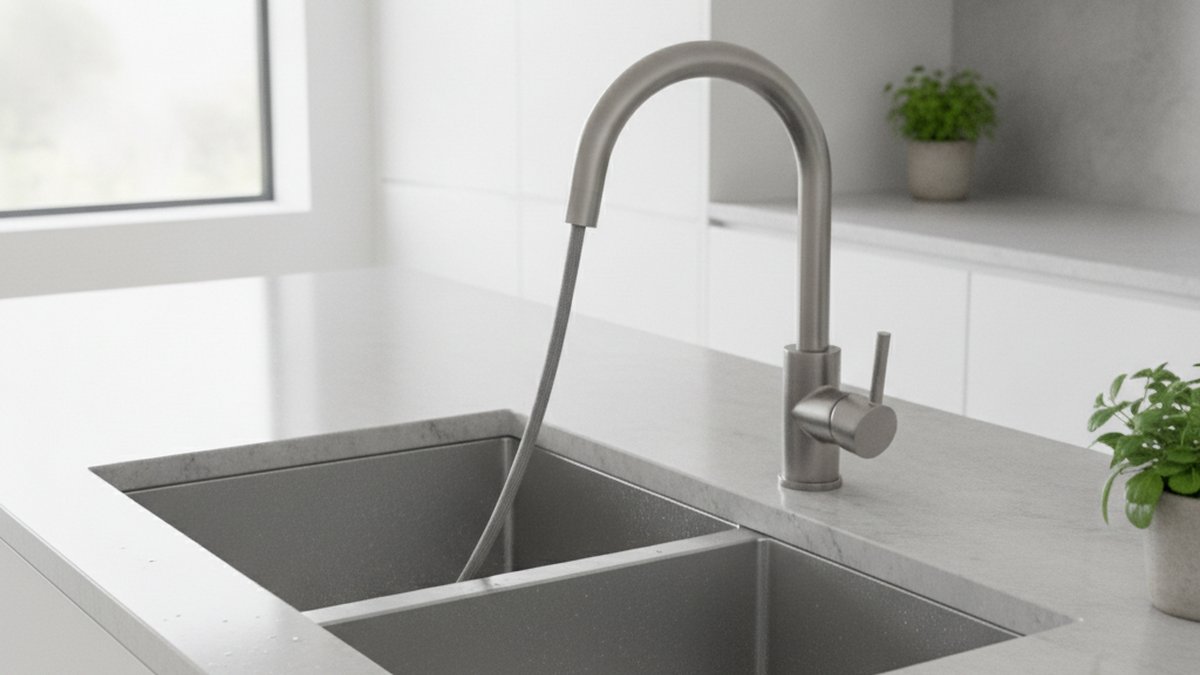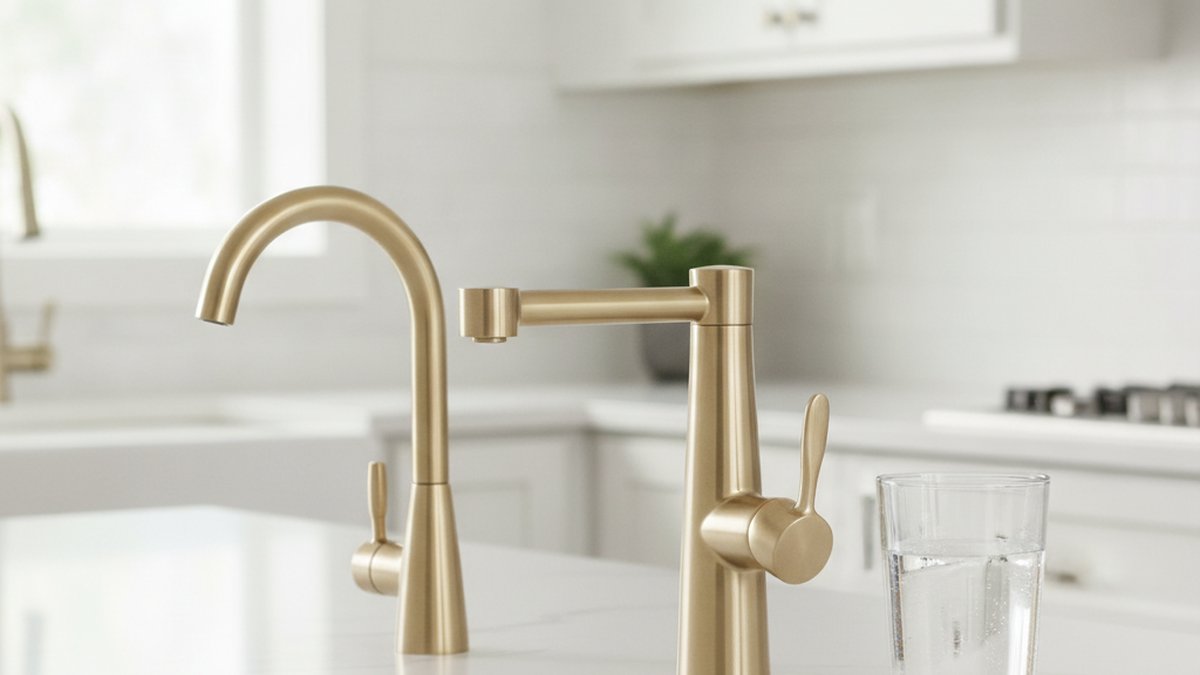
If you just installed an under-sink filter and you’re now hunting for a delta brushed gold reverse osmosis faucet, you’ve hit the exact spot where most people get stuck: the RO membrane and tank are the “guts,” but the little faucet on top of your sink is the part everyone actually sees and touches every day. A cheap chrome dispenser next to a warm brushed-gold kitchen faucet looks like an afterthought. A properly matched brushed gold (Delta calls its version Champagne Bronze) dedicated faucet makes the whole setup look intentional — like it came with the kitchen. This guide walks through what these faucets actually are, whether Delta’s finish holds up, how to know it’ll fit your sink, and how to pick one that won’t drip or discolor in two years.
What exactly is a reverse osmosis faucet, and why do you need a separate one?
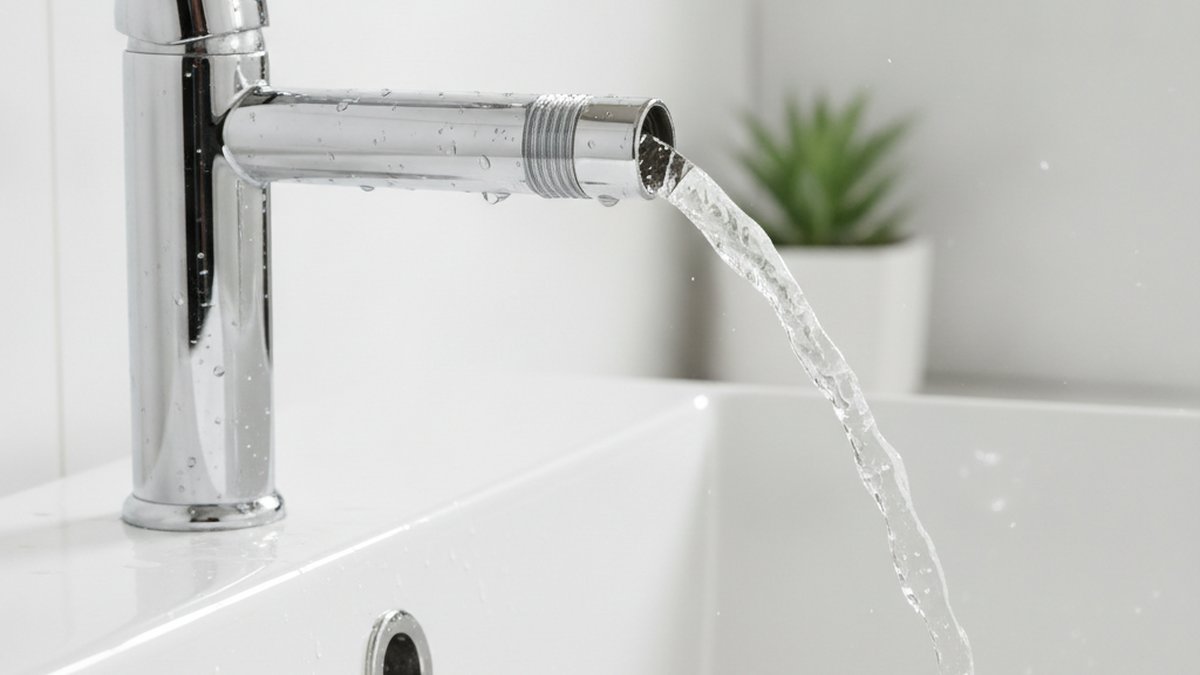
A reverse osmosis faucet is a small, dedicated tap that delivers only the purified water from your under-sink RO system — it’s completely separate from your main kitchen faucet. You need a separate one because RO water is produced slowly and stored in a pressurized tank, so it can’t share the high-flow line your regular faucet uses; it needs its own low-pressure-rated dispenser and its own hole in the countertop or sink.
Think of it this way: your main faucet is fed by full house pressure (typically 40–80 psi). Your RO tank holds treated water at a much gentler 5–15 psi. If you tried to push RO water through a standard faucet, you’d get a weak trickle and you’d wear out the cartridge. A dedicated RO faucet is engineered for that low pressure, usually with a wide bore and a simple lever or “cold-only” single handle. Delta’s brushed gold reverse osmosis faucets are built to this spec while wearing the same Champagne Bronze finish as their kitchen and bathroom lines — that’s the whole appeal.
There are two mechanical types you’ll run into, and it matters which your system requires:
- Non-air-gap: A single clean tube runs to the faucet. Simpler, quieter, no gurgling, and by far the most common today. Most modern RO systems (and tankless models) use this.
- Air-gap: Uses three tubes and a small vent hole in the faucet body to physically prevent drain water from ever siphoning back into your clean water. Some local plumbing codes require it. It can gurgle when the system flushes and is trickier to install.
Buy the type your RO system calls for. An air-gap system needs an air-gap faucet; a standard system needs a non-air-gap faucet. Mixing them up is the single most common return reason.
Does Delta actually make a brushed gold RO faucet, or are you buying a look-alike?
Delta itself focuses on kitchen and bath faucets, and its true water-filtration dispensers are usually sold under the Delta name in finishes like Arctic Stainless, Chrome, and Champagne Bronze. “Delta brushed gold reverse osmosis faucet” as people search it can mean two things: a genuine Delta-branded beverage/filtration faucet in Champagne Bronze, or a third-party RO faucet finished to color-match Delta’s Champagne Bronze so it sits beside a Delta kitchen faucet without clashing.
Both are legitimate choices — you just want to know which one you’re getting. If matching a specific Delta kitchen faucet is the goal, hold the two finishes side by side (or against the same photo) before you commit, because “brushed gold,” “Champagne Bronze,” “brushed brass,” and “matte gold” are not identical colors between brands.
One honest note on finish naming: warm-metallic finishes vary more between manufacturers than chrome ever does. If you’re finish-matching across your whole kitchen, it’s the same discipline you’d use choosing any gold fixture — the same care we walk through in our guide on whether a shower faucet in gold is worth it and how to pick a consistent tone. Get the RO faucet’s finish right and it disappears into the design; get it wrong and it’s the one thing guests notice.
How do brushed gold, Champagne Bronze, and polished brass differ?
Brushed gold and Champagne Bronze are matte, warm, low-sheen finishes that hide water spots and fingerprints well; polished brass is shiny and shows everything. For a faucet you’ll touch dozens of times a day with wet hands, the brushed/matte family is the practical winner — it stays looking clean between wipes. If you love a mirror shine, that’s a different tradeoff, and it’s worth reading how a warmer versus cooler metallic reads in a room, which we cover in our piece on the polished nickel California faucet.
What does a Delta brushed gold reverse osmosis faucet cost, and what should you actually pay?
A quality brushed gold RO faucet runs about $90–$180. Below ~$70 you’re usually looking at a thin coated finish over zinc alloy that can flake or discolor; above ~$200 you’re paying for premium designer bodies or genuine solid-brass construction. For most kitchens, the $110–$150 range buys a solid-brass or stainless body with a durable PVD gold coating — the sweet spot.
| Price tier | Typical body material | Finish quality | Best for |
|---|---|---|---|
| Under $70 | Zinc alloy, thin plating | Spray/electroplate — can flake in 1–2 yrs | Rentals, short-term use |
| $90–$150 | Solid brass or stainless, lead-free | PVD Champagne Bronze — very durable | Most home kitchens (recommended) |
| $150–$200+ | Premium solid brass, designer body | PVD + heavier build, air-gap options | High-end remodels, code-required air-gap |
The word to look for on the spec sheet is PVD (physical vapor deposition). PVD-coated brushed gold is bonded at a molecular level and resists scratching, UV fading, and the daily wet-hand abuse an RO faucet takes. Cheaper electroplated or painted gold is what fails first — usually right at the spout tip where water constantly runs. Since this faucet dispenses drinking water, also confirm the body is certified lead-free brass; it’s the same reason we push people toward a lead free brass kitchen faucet for anything that touches water you’ll drink.
Will a Delta brushed gold RO faucet fit my sink, or do I need to drill a hole?
Most RO faucets fit a standard 1.25″ (about 32 mm) hole and mount on decks up to roughly 1.5″ thick — but you need an available hole first. If your sink has an unused sprayer or soap-dispenser hole, that’s your spot. If every hole is taken, you’ll either drill a new hole in the countertop or reclaim an existing accessory hole.
Here’s the quick way to check before you buy:
- Count your holes. Look at the back of your sink deck. Do you have a spare hole (often plugged with a chrome or stainless cap)? If yes, you’re set.
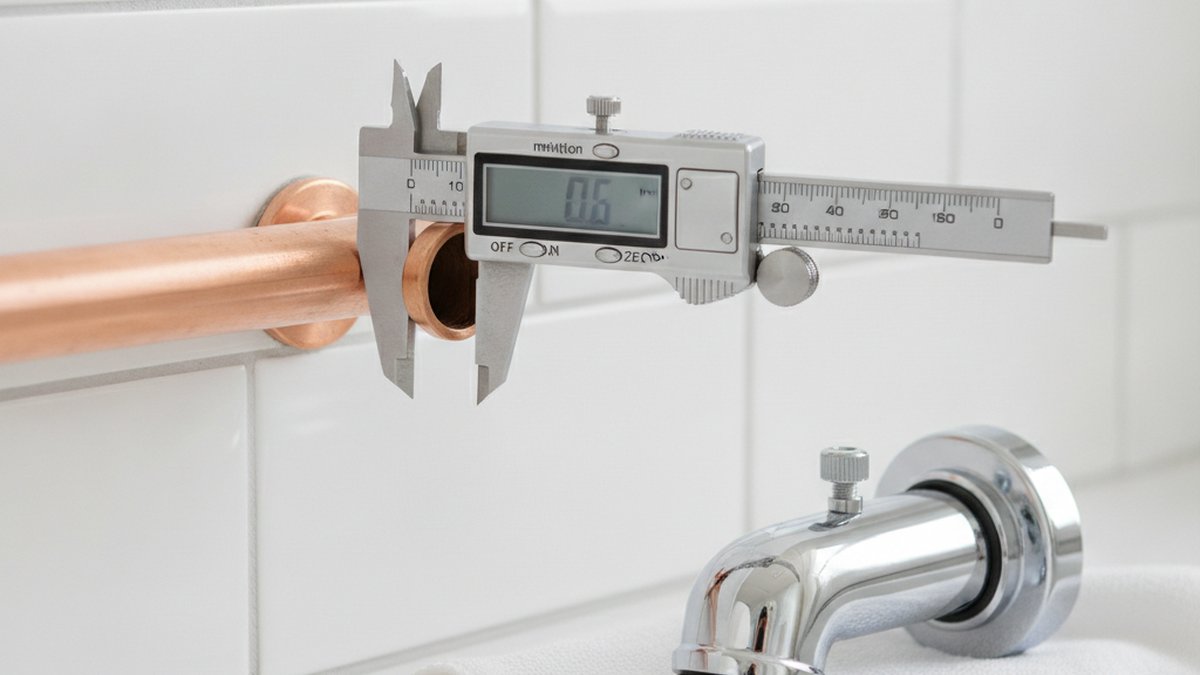
- Measure the hole diameter. Most RO faucets want a 1.25″ hole. Some slim-base models fit a smaller 0.5″ hole — check the spec.
- Measure deck thickness. Thick granite or quartz over a thick sink lip can exceed the faucet’s mounting stud length. Confirm the faucet’s maximum deck thickness (usually ~1.5″).
- Confirm the base type. A wide decorative base can cover a slightly oversized or roughed-up hole; a slim base can’t.
If you need a brand-new hole in a stainless sink, a step drill bit does it; in granite or quartz, use a diamond hole saw and go slow with water cooling — or hire a pro, because a cracked stone countertop costs far more than the faucet. Sizing a filtration faucet to the sink is fussy enough that we wrote a whole walkthrough on getting the right faucet hole size for the Waterdrop X16; the same measuring logic applies to any brushed gold RO dispenser.
Is the RO faucet compatible with my existing under-sink system?
Almost always, yes — RO faucets and systems use near-universal 1/4″ (or sometimes 3/8″) quick-connect tubing, so a Delta-style brushed gold faucet will connect to most common under-sink RO systems regardless of the system brand. The one real compatibility fork is air-gap versus non-air-gap: match that, and match the tube size (1/4″ is standard on most residential systems), and you’re compatible.
If your setup also feeds an inline filter cartridge on the counter faucet rather than a full RO tank, the connection logic is a little different — that’s the scenario we untangle in our guide to which kitchen faucet is compatible with a PUR water filter. For a true tank-based RO system, though, a dedicated brushed gold faucet is the correct, standard finishing piece.
How do you install a brushed gold RO faucet without leaks?
You can install one yourself in about 30–45 minutes with basic tools — the trick to a leak-free result is not overtightening the plastic quick-connect fittings and seating the rubber deck gasket flat. Here’s the short version:
- Shut off the RO system and open the old faucet to release tank pressure.
- Remove the old faucet or hole plug from underneath.
- Drop the new faucet’s tailpiece through the hole; seat the top gasket/washer flat against the deck.
- From below, add the washer and mounting nut and hand-tighten, then snug about a quarter turn with a wrench — no more.
- Push the RO tubing fully into the quick-connect until it clicks and seats (a firm push past the first stop).
- Repressurize, then watch every joint for 10 minutes. A slow bead means the tube isn’t fully seated — push it in another few millimeters.
The most common rookie leak isn’t the faucet at all; it’s a tube that looks connected but only went in halfway. Push it in until it physically stops, then tug gently to confirm it’s locked.
How do you keep the brushed gold finish looking new?
Wipe it with a soft damp cloth and mild dish soap, then dry it — that’s genuinely all a PVD brushed gold finish needs. What you must avoid is anything abrasive or acidic: no scouring pads, no bleach, no vinegar-heavy or citrus descalers directly on the finish, and no “gold cleaner” polishes meant for jewelry. Those strip or dull the coating over time.
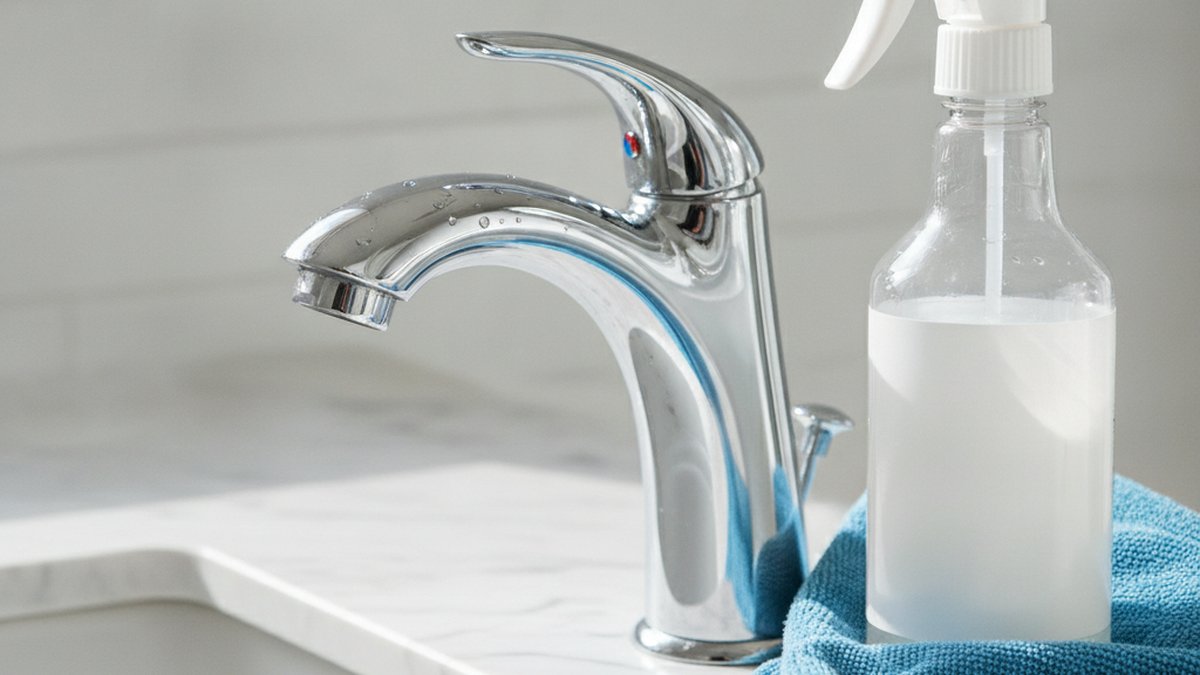
For hard-water spotting, a damp microfiber cloth handles it; for stubborn mineral haze, a 50/50 water-and-mild-soap wipe followed by a dry buff works without touching the coating. Treated right, a good PVD Champagne Bronze faucet holds its color for a decade or more — which is exactly why paying for PVD instead of cheap electroplate pays off. If you like this warm-metal look enough to carry it through the house, the finish-care habits are identical for a matching Waterdrop faucet water filter or gold shower fixture.
Delta / Champagne Bronze RO faucet vs. other finishes: which should you pick?
Pick your RO faucet finish to match your main kitchen faucet, not the sink — the two taps sit inches apart, so they should read as a set. Here’s how the common choices stack up for a drinking-water faucet specifically:
| Finish | Hides spots/prints? | Best paired with | Watch-out |
|---|---|---|---|
| Brushed gold / Champagne Bronze | Yes — matte hides both well | Warm kitchens, brass hardware | Finish name varies by brand — verify tone |
| Brushed / Arctic stainless | Yes | Most stainless appliances | Reads cool, not warm |
| Matte black | Very well | Modern, high-contrast kitchens | Shows dried white mineral spots |
| Polished chrome | No — shows everything | Classic/budget builds | Clashes beside brushed gold |
If your kitchen faucet is a Delta Champagne Bronze pull-down, a brushed gold RO faucet is the obvious match. If you’re still choosing that main faucet too, our roundup of the best pull-out kitchen faucet Delta makes is a good place to lock in the finish first, then match the RO faucet to it.
FAQ
Does a Delta brushed gold reverse osmosis faucet come with the RO system, or do I buy it separately?
Usually separately. Many RO systems ship with a basic chrome or brushed-nickel faucet, and you upgrade to a brushed gold one to match your kitchen. Because the tubing is a universal 1/4″ quick-connect, swapping the included faucet for a brushed gold one is a straightforward upgrade.
Will the brushed gold finish flake or fade over the sink?
Not if it’s PVD-coated. PVD (physical vapor deposition) bonds the finish to the metal and resists scratching, water, and UV for a decade-plus. Cheap electroplated or sprayed gold is what flakes — so confirm “PVD” on the spec sheet and buy a solid-brass or stainless body rather than thin zinc alloy.
Do I need an air-gap or non-air-gap brushed gold faucet?
Match whatever your RO system requires. Most modern systems use non-air-gap (single tube, quieter, no gurgling). Some local plumbing codes require air-gap (three tubes, a vent that prevents drain backflow). Check your system’s manual and your local code before ordering.
Is RO water safe to drink from a brushed gold faucet — any lead concern?
It’s safe as long as the faucet body is certified lead-free brass or stainless, which reputable brushed gold RO faucets are. Since this tap dispenses drinking water, look for lead-free certification (often referencing NSF/ANSI standards) on the listing, and avoid unbranded ultra-cheap models with no material disclosure.
Can one dedicated faucet handle both filtered cold water and my RO tank?
A standard RO faucet dispenses only the purified cold water from your RO tank — it’s a single-purpose tap. If you want hot filtered water too, that’s a separate instant-hot faucet on its own hole. Don’t try to route RO water through your main mixing faucet; the low tank pressure isn’t designed for it.
How long does a brushed gold RO faucet last, and is it covered by warranty?
The faucet body typically lasts many years, and quality models carry a limited lifetime finish-and-function warranty, while the RO cartridges/membrane are the parts you replace on schedule (every 6–12 months for cartridges, 2–3 years for the membrane). Keep your receipt and register the product so the finish warranty is valid.
Author note: This guide was written by the Aleasha Faucet fixtures team, drawing on hands-on installation and testing of dozens of under-sink filtration and RO dispenser faucets across brushed gold, matte black, and stainless finishes. We evaluate finish durability, low-pressure flow behavior, and real-world hole-fit rather than repeating spec sheets.
About Aleasha Faucet: Aleasha (www.aleashafaucet.com) specializes in kitchen, bath, and filtration fixtures, with a focus on finish quality and correct sink-fit. We recommend choosing faucets whose bodies meet recognized lead-free standards (NSF/ANSI 61 / 372) and that carry a manufacturer finish-and-function warranty — the two signals that most reliably separate a faucet that still looks and works right in five years from one that doesn’t. For a broader look at long-term durability, see our guide to the most reliable kitchen faucet in 2025.