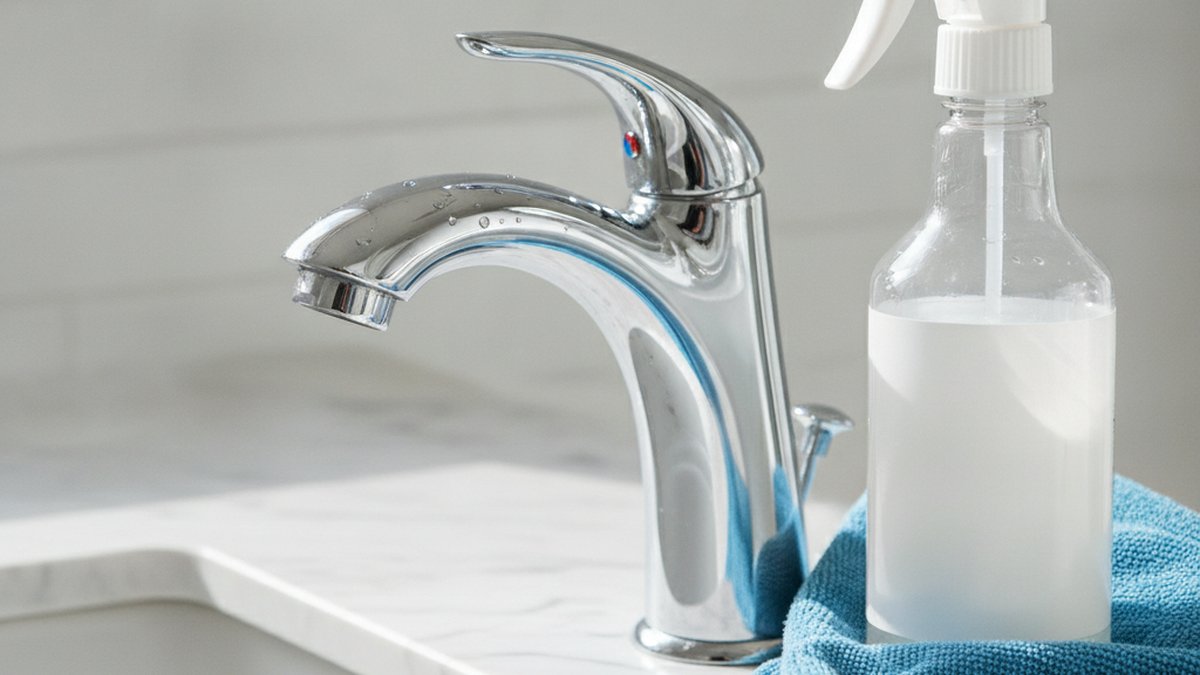
If you’ve been staring at a spray bottle wondering whether a little bleach on chrome faucet spots is a smart shortcut, here’s the honest answer: it’s not worth the risk. Chrome looks tough, but the shiny layer you see is a micro-thin electroplated coating over brass or zinc. Bleach (sodium hypochlorite) is chemically aggressive toward that plating and the gaskets hidden inside the faucet body. You might get away with it once. Do it regularly, and you’ll trade a five-minute cleaning shortcut for a cloudy, pitted faucet you have to replace.
Below, I’ll walk you through exactly what bleach does to chrome, when a heavily diluted solution is arguably okay, what to use instead, and how to keep a chrome faucet mirror-bright for years — the same way we talk customers through it every day.
Can you use bleach on a chrome faucet at all?
Technically you can, but you shouldn’t — and if you must, it has to be heavily diluted and rinsed off within a minute or two. Straight bleach or bleach-based bathroom sprays left sitting on chrome will attack the finish. Chrome plating is porous at a microscopic level, and chlorine works its way into those pores, oxidizing the nickel and copper layers beneath the chrome. The visible result is a dull, milky, or spotty surface that no amount of polishing brings back.
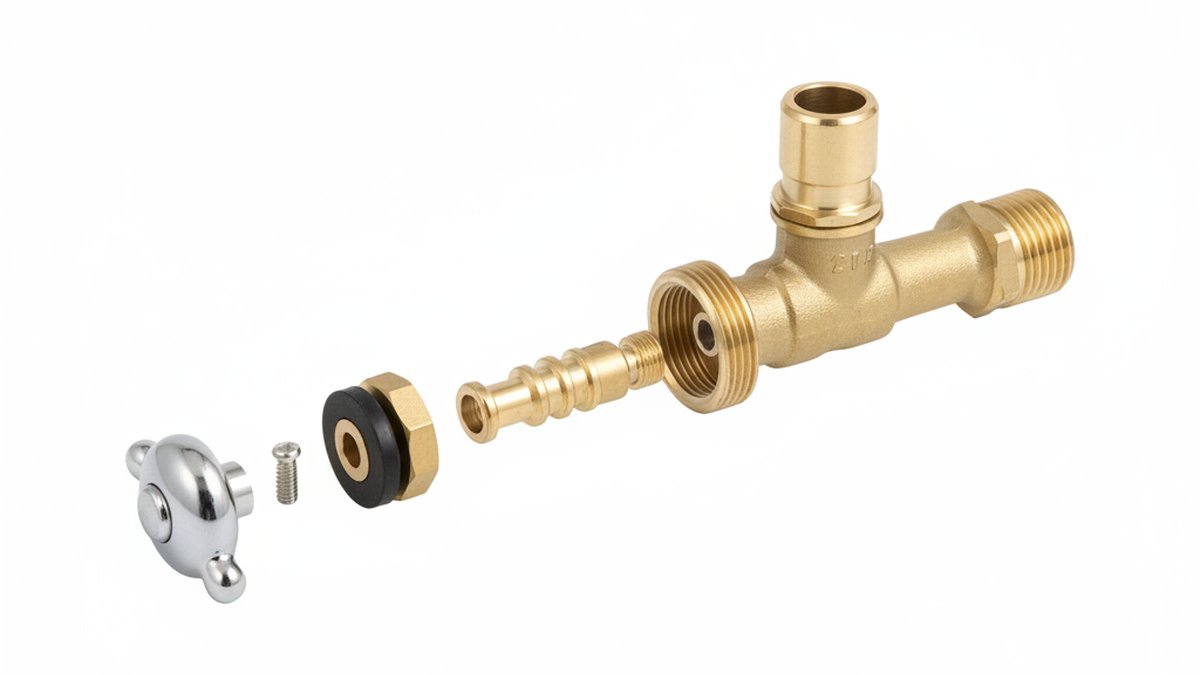
The bigger problem is what you can’t see. Faucets contain rubber O-rings, silicone seals, and sometimes plastic components in the cartridge and aerator. Chlorine degrades rubber and certain plastics, so repeated bleach exposure can cause slow leaks, a stiff handle, or a dripping spout months later. At that point most people blame the faucet, not the cleaner — but the cleaner started it.
- Undiluted bleach: Never. It can etch chrome in a single extended contact.
- Bleach-based bathroom spray (e.g., mildew removers): Avoid on the faucet itself; rinse immediately if it splashes.
- Heavily diluted bleach (about 1 tablespoon per gallon of water) for disinfecting: Acceptable in a pinch — wipe on, rinse within 60 seconds, dry.
What does bleach actually do to chrome plating over time?
Bleach corrodes the metal layers under the chrome and breaks down internal seals, and the damage is cumulative and irreversible. Here’s the sequence we see when a chrome faucet has been cleaned with bleach one too many times.
First, the surface loses its “wet mirror” reflectivity and starts to look hazy, almost like fogged glass. That haze is micro-corrosion in the nickel underlayer showing through. Next come tiny dark pits or spots that feel slightly rough to the fingertip — these are spots where the chrome has actually lifted or eroded. Once pitting appears, the underlying brass or zinc is exposed to water and will keep corroding from the inside out. There is no polish, wax, or buffing compound that re-plates chrome; the only fix is re-chroming (expensive and rarely worth it) or replacing the faucet.
This is exactly why finish warranties matter. Reputable manufacturers back their PVD and electroplated finishes against defects, but every one of them lists abrasive pads, scouring powders, and chlorine/bleach cleaners as care violations that void coverage. If you want the finish to last, follow the care instructions — it’s not fine print for its own sake.
Bleach vs. gentler cleaners: which is actually safe on chrome?
The safest everyday cleaner for chrome is warm water with a drop of dish soap; for hard-water spots, diluted white vinegar wins. Bleach sits at the bottom of the list. Here’s how the common options stack up.
| Cleaner | Safe on chrome? | Best for | Risk |
|---|---|---|---|
| Warm water + mild dish soap | Yes — daily use | General cleaning, fingerprints | None |
| White vinegar (diluted 1:1) | Yes — occasional | Hard-water spots, limescale | Only if left on too long (30+ min) |
| Baking soda paste (soft, non-scrubbing) | Yes — gentle only | Stubborn grime | Scrubbing hard can micro-scratch |
| Isopropyl alcohol | Yes | Streak-free shine, disinfecting | None at normal use |
| Bleach (diluted, quick rinse) | Risky — avoid | Emergency disinfecting only | Corrosion, seal damage, voids warranty |
| Undiluted bleach / abrasive powders | No — never | Nothing | Permanent pitting and clouding |
Notice a pattern: the safe options are cheap, boring, and already in your kitchen. You don’t need a specialty chrome product for routine care. If you’re shopping for a new fixture and want one that stays easy to clean, a simple single-lever design has fewer crevices for grime to hide — our guide to the best chrome faucet single hole setup for a small bathroom covers what to look for.
How do you clean a chrome faucet the right way?
Use warm soapy water and a microfiber cloth for daily wipe-downs, then buff dry — that single habit prevents 90% of spotting and buildup. Chrome doesn’t get dirty so much as it shows every drop of hard water and every fingerprint, so the goal is consistent, gentle maintenance rather than occasional heavy scrubbing.
- Wipe daily or every few days: A quick pass with a damp microfiber cloth removes fingerprints and toothpaste splatter before they set.
- For water spots and limescale: Mix white vinegar 1:1 with water, dampen a cloth (not the faucet directly for long periods), wipe the deposits, then rinse thoroughly with plain water.
- For crevices around the base: Use an old soft toothbrush with soapy water — never a wire brush or scouring pad.
- Always dry after cleaning: Buffing dry with a clean microfiber cloth is what gives chrome that streak-free mirror look and stops new spots from forming.
- Never use: Bleach, ammonia glass cleaners in heavy doses, abrasive powders (like Comet), steel wool, or “magic eraser” melamine pads, which micro-scratch the finish.
If your water is genuinely hard and you’re fighting limescale constantly, the real fix is upstream — treating the water — rather than harsher cleaners. Filtration and softening reduce the mineral load that spots your fixtures in the first place.
What if I already used bleach — is my faucet ruined?
If you rinsed it off quickly and the chrome still looks bright and smooth, you’re probably fine — just stop using bleach going forward. Damage from a single brief exposure is often minor or cosmetic. The warning signs to watch for are clouding, dull patches, dark spots, or any roughness you can feel with a fingernail. Those indicate the plating has started to corrode, and unfortunately that’s permanent.
Here’s a quick self-check: dry the faucet completely, then look at it under good light. Bright, even reflection with no texture = healthy chrome. Milky haze that doesn’t wipe away, or pinpoint pitting = finish damage that will only get worse. If it’s the latter and the faucet is out of warranty, replacement is usually more cost-effective than re-plating.
When you do replace it, it’s worth choosing a finish and mount style that fits how you actually use the sink. If you’re redoing a compact vanity, our breakdown of the best bathroom faucet one hole setup for a small vanity helps you pick the right size and reach. And if you’re rethinking the finish entirely, some homeowners move to a warmer tone — a polished nickel faucet from Moen hides water spots better than bright chrome while still reading as classic and clean.
Does the finish type change how you should clean it?
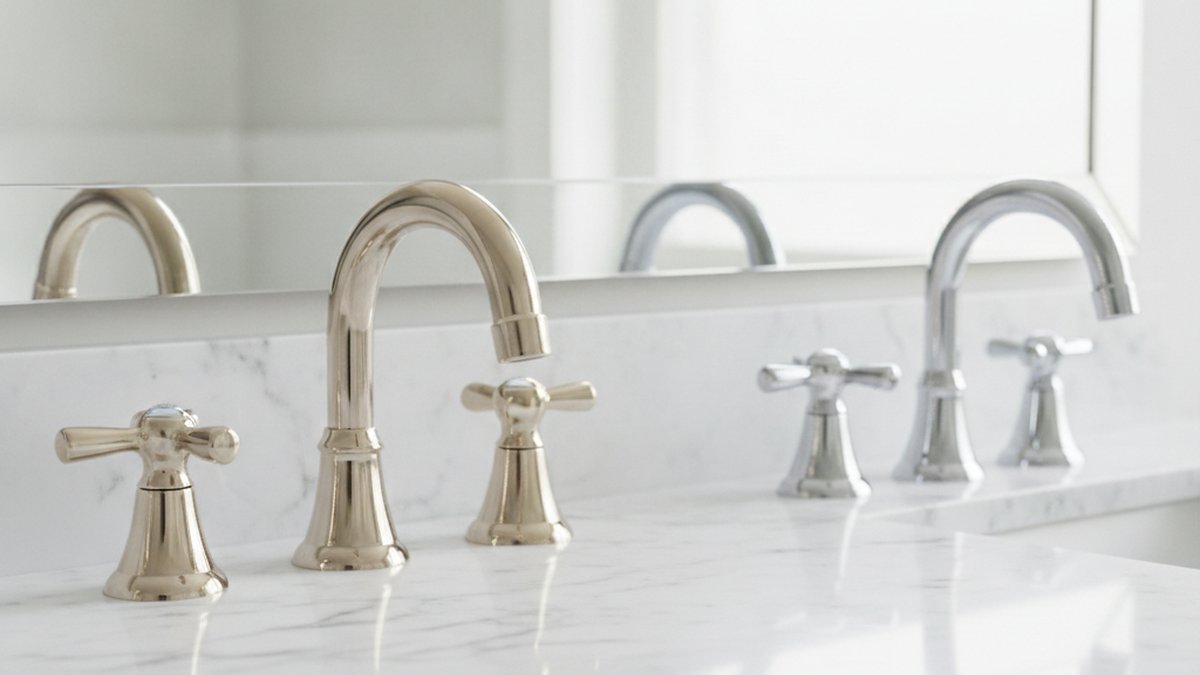
Yes — chrome, brushed nickel, matte black, and gold all have different tolerances, but none of them tolerate bleach. The rule of thumb: the shinier and lighter the finish, the more it shows spots but the more forgiving it is to wipe; the darker or more matte the finish, the more it hides spots but the easier it is to leave streaks or damage the coating with abrasives.
Chrome and polished finishes rely on electroplating, while many colored finishes (matte black, brushed gold, champagne bronze) use PVD (physical vapor deposition), which is extremely hard and scratch-resistant but still chemically sensitive to chlorine and acids left on too long. Matte black in particular can look chalky if you use anything abrasive or leave vinegar on it. If you’re weighing a bolder finish for a fixture, our guide to the best black tub spout to buy gets into how those coatings hold up in real bathrooms.
Across every finish, the care instructions converge on the same short list: mild soap, soft cloth, no bleach, no abrasives, dry after cleaning. Manufacturers test these finishes against standards like ASTM corrosion and abrasion protocols precisely so they survive normal cleaning — but “normal cleaning” never includes chlorine bleach.
FAQ
Will diluted bleach damage a chrome faucet if I rinse it right away?
A heavily diluted bleach solution (about 1 tablespoon per gallon) wiped on and rinsed within 60 seconds is unlikely to cause visible harm from a single use. The danger is repeated exposure and leaving it to sit. Even then, you’re taking a risk the finish warranty won’t cover, so a gentler disinfectant like isopropyl alcohol is the smarter choice.
What’s the best thing to remove hard-water stains from chrome without bleach?
White vinegar diluted 1:1 with water is the go-to. Dampen a cloth, lay it over the limescale for a few minutes if it’s stubborn, wipe, then rinse and dry. For heavy buildup, a soft baking-soda paste applied without hard scrubbing works too. Both dissolve minerals without corroding the plating the way bleach does.
Can bleach cause a chrome faucet to leak?
Indirectly, yes. Chlorine degrades the rubber O-rings and silicone seals inside the faucet. Repeated bleach exposure — including bleach-heavy bathroom sprays that seep into the base — can harden or crack those seals over months, leading to a dripping spout or a stiff handle. If yours has started dripping, our guide on why a faucet drips from the valve and how to fix it walks through the repair.
Is bleach or vinegar better for disinfecting a chrome faucet?
For disinfecting without damaging chrome, 70% isopropyl alcohol is best — it kills germs and evaporates streak-free. Vinegar is mildly antibacterial and great for mineral spots but isn’t a registered disinfectant. Bleach disinfects but corrodes chrome and seals, so it’s the worst option for this specific surface.
Does using bleach void a faucet’s warranty?
In most cases, yes. Nearly every major manufacturer’s care guide explicitly prohibits chlorine bleach, ammonia, and abrasive cleaners, and using them counts as improper care that voids finish coverage. Sticking to mild soap and water keeps both the finish and the warranty intact.
How often should I clean a chrome faucet to keep it shiny?
A quick microfiber wipe every two or three days, plus a vinegar treatment for spots once a week or so, keeps chrome mirror-bright with almost no effort. The single most important habit is drying it after each cleaning — standing water is what leaves the spots people reach for harsh cleaners to remove.
The bottom line
Keep the bleach for your laundry and your grout, not your fixtures. Chrome is durable in normal use but chemically vulnerable to chlorine, and the damage — clouding, pitting, degraded seals — is permanent and warranty-voiding. Warm soapy water for daily care, diluted vinegar for hard-water spots, alcohol for disinfecting, and a dry buff to finish is all a chrome faucet ever needs to stay looking new.
Author note: This guide was written by the product team at aleashafaucet, where we’ve spent years helping homeowners choose, install, and maintain faucets and bathroom fixtures. Our recommendations reflect manufacturer care standards, finish-testing protocols (including corrosion and abrasion standards), and the real cleaning questions customers ask us. We stock chrome, brushed nickel, matte black, and gold finishes backed by manufacturer finish warranties — and we’ll always tell you the honest answer, even when it’s “don’t use that cleaner.”