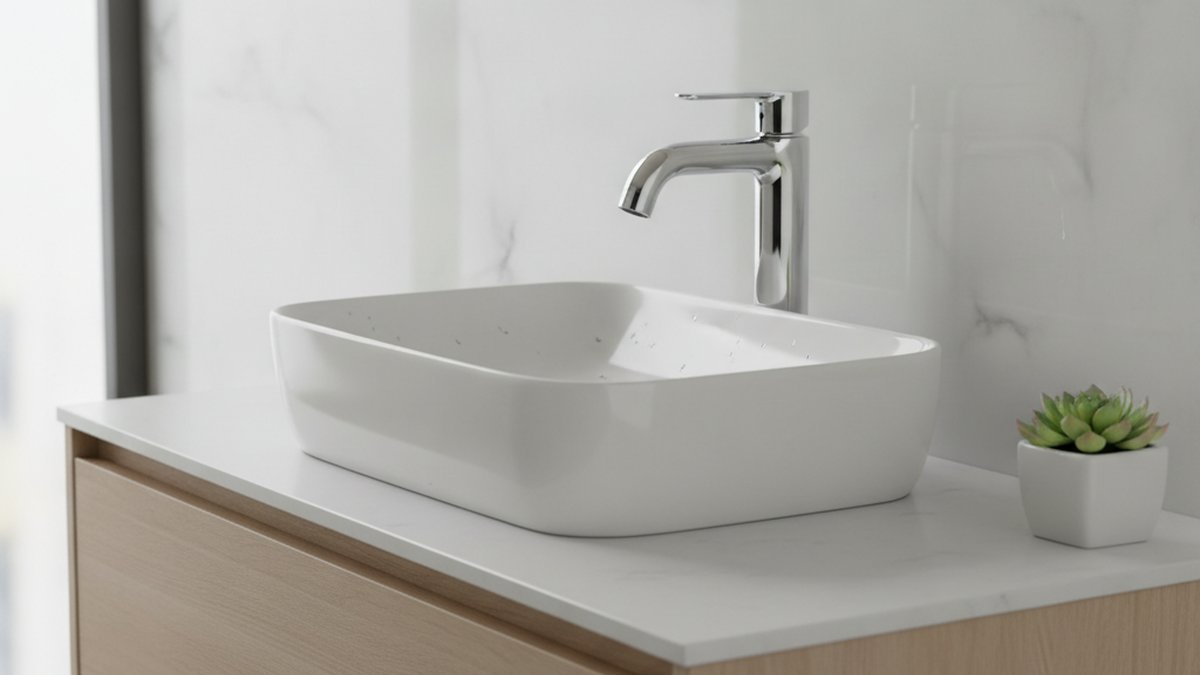
If you’re shopping for a chrome faucet single hole model, you’ve almost certainly got a sink with exactly one pre-drilled hole in the deck (or a vessel sink with none), a tight vanity, and a short list of questions: will it fit, will it last, and does chrome still look right in 2026? Short answer to all three — yes, if you buy on the specs that actually matter rather than on looks alone. This guide walks through sizing, finish durability, valve types, real price tiers, and the exact mistakes that send people back to the store for a second faucet.
What exactly is a “single hole” chrome faucet, and how is it different from a centerset?
A single-hole faucet is one solid body that mounts through a single 1-3/8″ (about 35mm) hole in your sink or countertop, with the spout and handle combined into one unit. A centerset spreads across three holes on 4-inch centers, and a widespread uses three separate pieces on 8-to-16-inch centers. So the “single hole” part describes the mounting — not the size of the faucet.
This matters because your sink dictates your options, not the other way around. Flip your current faucet’s paperwork or look under the deck: if you see one hole with a cover plate hiding extras, you may actually have a 3-hole sink and just need an escutcheon (deck plate) to run a single-hole faucet on it. Most single-hole chrome faucets ship with an optional oval deck plate exactly for this reason, so you can drop one onto a 4-inch centerset sink and cover the outer holes cleanly.
- Single hole: 1 hole, one compact unit — best for small vanities, vessel sinks, and modern looks.
- Centerset: 3 holes, 4″ spread, handles and spout on one base plate — the old-school standard.
- Widespread: 3 holes, 8″+ spread, three separate pieces — for large double vanities.
If you’re weighing single-hole against the three-hole layout for a compact vanity, our deeper breakdown of the best bathroom faucet one hole setup for a small vanity compares the exact clearances and deck-plate tricks side by side.
Is chrome still a good finish in 2026, or is it dated?
Chrome is not dated — it’s the most forgiving, most widely-matched, and easiest-to-clean finish you can buy, which is exactly why it’s still the default in hotels and rentals. In 2026 matte black and brushed gold get the design-blog attention, but chrome outsells them for one blunt reason: it hides water spots and toothpaste splatter far better than matte finishes, and a quick wipe restores the mirror shine.
Here’s the honest tradeoff. Polished chrome shows fingerprints more than a brushed finish, but it wipes clean in seconds and never shows the dull “cloudy” patches that plague cheap matte-black coatings when hard water attacks them. Chrome is also a genuine electroplated metal layer, not a painted-on PVD color, so it’s extremely scratch- and corrosion-resistant when it’s plated over a brass body.
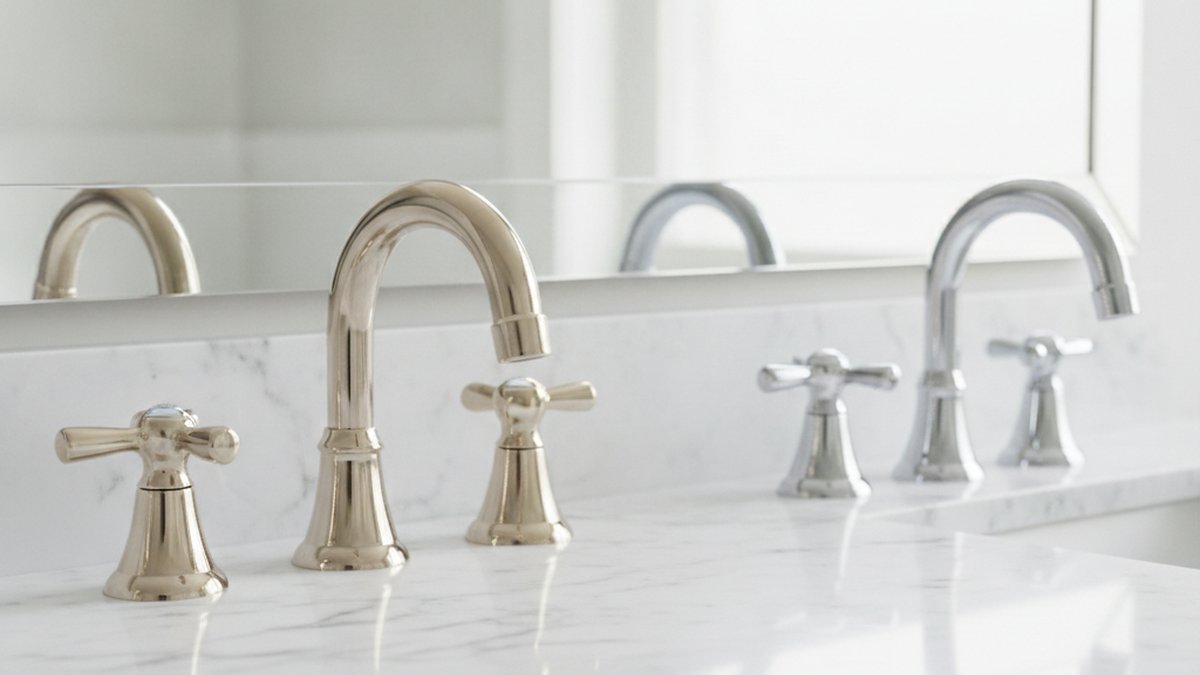
If you’re torn between chrome and a warmer tone, it’s worth reading why some buyers pay up for a polished nickel faucet from Moen — nickel runs slightly warmer and softer, chrome runs cooler and brighter, and the price gap is real.
Will chrome match my existing fixtures?
Chrome pairs cleanly with almost anything — stainless, white, gray, brushed nickel accents, and glass vessel sinks — which is why it’s the safest choice when you’re not replacing everything at once. The one combo to watch: don’t mix polished chrome with brushed nickel on the same fixture at close range (they read as “almost matching but off”). Across the room, nobody notices.
Which single-hole chrome faucet should I actually buy? (by budget)
Buy on valve type and body material first, finish second. Under $80, you want a solid-brass body and a ceramic-disc cartridge; skip zinc-alloy bodies that feel light and corrode from the inside. Here’s how the real price tiers break down.
| Price tier | What you get | Body / valve | Best for |
|---|---|---|---|
| $40–$70 (budget) | Basic single-lever, 1.2 GPM aerator, optional deck plate | Brass or zinc body, ceramic-disc valve | Rentals, powder rooms, quick refresh |
| $70–$130 (mid) | Taller spout, smoother lever, better aerator, lifetime finish warranty | Solid brass, ceramic-disc valve | Main bathroom, vessel sinks |
| $130–$250 (premium) | Designer spout shapes, drip-free ceramic tech, matching drain included | Solid brass, premium ceramic cartridge | Renovations, high-use family baths |
Notice chrome doesn’t add much cost at any tier — a chrome faucet single hole almost always costs the same as or less than the brushed-nickel version of the identical model, because chrome plating is the industry’s baseline process. That’s free money if chrome fits your look.
What specs actually separate a good one from a bad one?
Four specs decide whether your faucet lasts ten years or drips in ten months:
- Valve type: ceramic-disc, always. It’s the difference between a lifetime drip-free faucet and a washer that fails yearly. Avoid rubber-washer compression valves in any new faucet.
- Body material: solid brass. Tap the faucet — brass feels dense and heavy; zinc feels hollow and light and corrodes from mineral-heavy water.
- Flow rate: 1.2 GPM for a WaterSense bathroom faucet (1.5 GPM max is fine too). Lower saves water without feeling weak on a bathroom sink.
- Spout height & reach: for a vessel sink you need a tall spout (roughly 9″+); for a standard drop-in sink a mid-height spout keeps splashing down.
If you’re putting this on a vessel bowl specifically, the mounting and height math is different enough that our guide to the vessel sink one hole faucet is worth a read before you buy — a spout that’s too short over a tall glass bowl splashes water straight out onto the counter.
Will a single-hole chrome faucet fit my sink? (the sizing rules)
It fits if your sink has a 1-3/8″ hole (standard) and at least 1-1/2″ of clear deck behind the hole for the body and supply lines. Nearly every single-hole faucet is built to the 1-3/8″ US standard, and most tolerate holes up to about 1-1/2″ with the included gasket. The two things people forget: deck thickness and supply-line reach.
Under the counter, single-hole faucets use pre-attached flexible supply hoses (usually 3/8″ compression at the shutoff). Measure from your hole down to your shutoff valves — cheaper faucets ship with short hoses. Also check your deck thickness: thick stone counters need a faucet with a long enough threaded shank and a mounting nut that reaches. Most quality faucets handle up to about 2″ of combined sink-plus-counter thickness.
Can I install a single-hole chrome faucet myself?
Yes — a single-hole faucet is the easiest type to install because there’s only one hole and the supply lines are usually pre-attached. Plan on 30–45 minutes with basic tools. The general sequence:
- Turn off both shutoff valves and open the old faucet to release pressure.
- Disconnect the supply lines and unscrew the old mounting nut from below.
- Drop the new faucet through the hole with its gasket, add the deck plate if you’re using one.
- Tighten the mounting nut from below by hand, then a quarter-turn with a wrench.
- Connect supply lines (hand-tight plus a quarter turn), turn water on, and check for drips.
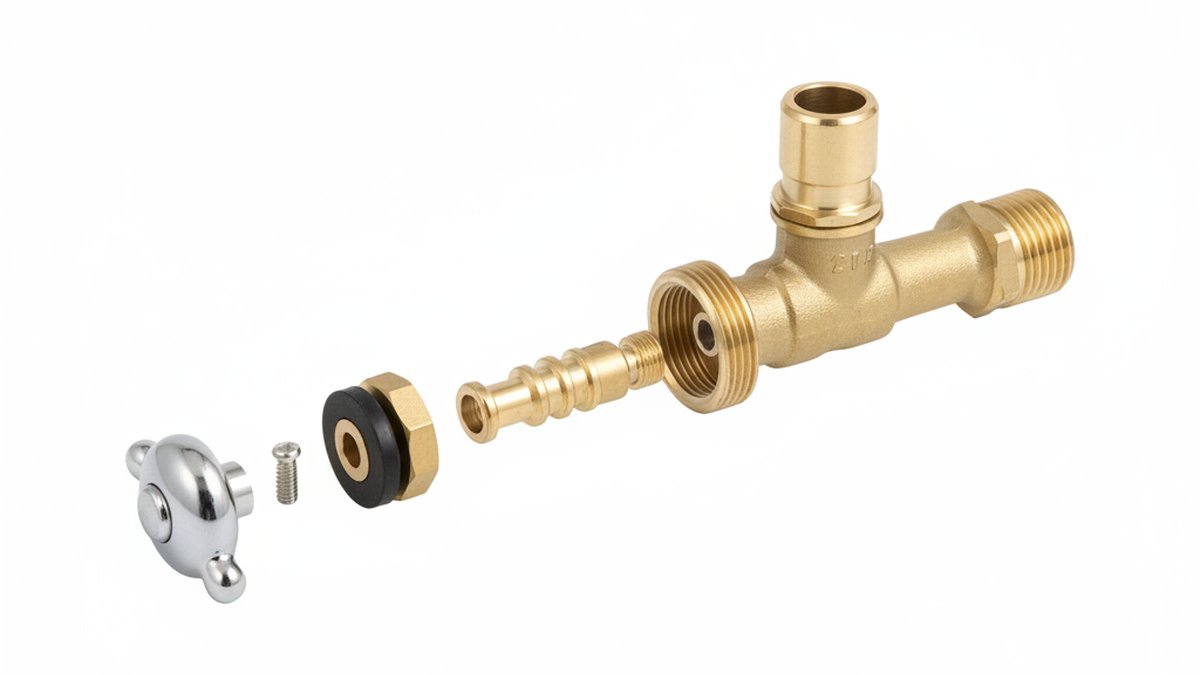
If your shutoff valves themselves are old or leaking, that’s a separate job — and a common surprise. Our walkthrough on why a faucet drips from the valve and how to fix it covers what to do if you open the cabinet and find corrosion waiting for you.
How do I keep chrome looking new, and does it really resist hard water?
Chrome resists hard water better than any matte or PVD-color finish, but it still shows spots if you let mineral-heavy water dry on it. The fix is a 10-second habit, not a product: wipe the faucet dry with a soft cloth after heavy use, and clean weekly with dish soap and water. Never use abrasive pads, vinegar left to sit, or bathroom “scrubbing” cleaners with grit — those micro-scratch the plating over time.
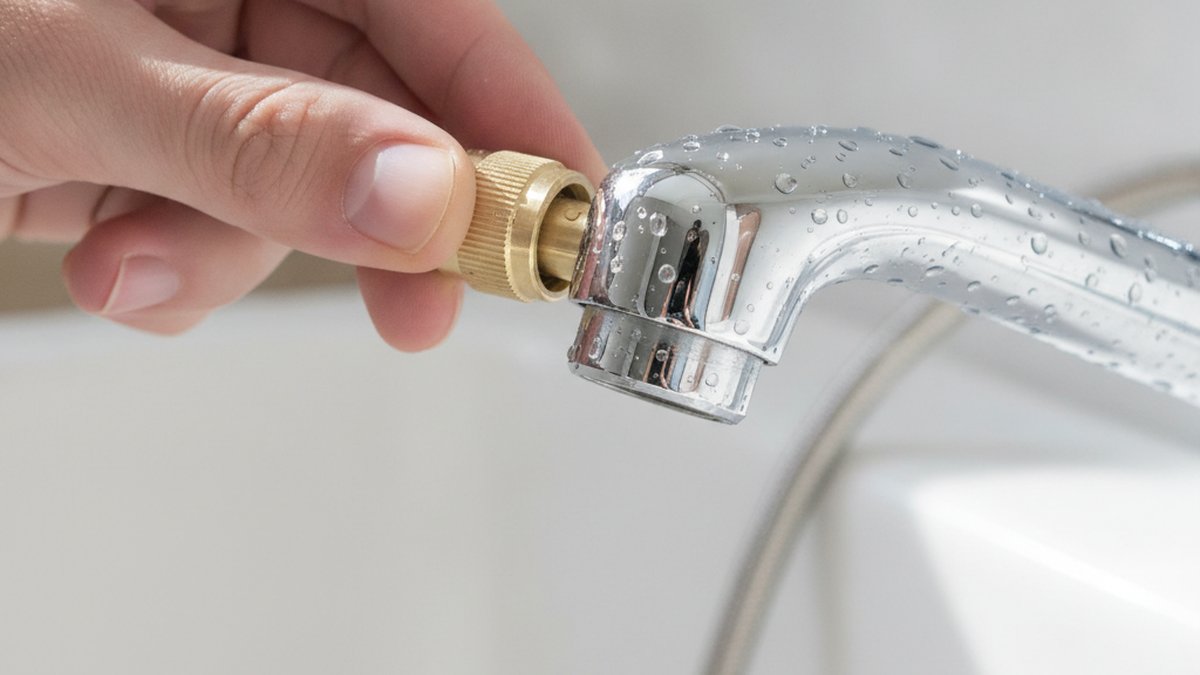
For stubborn white lime spots, a cloth dampened with a 50/50 white vinegar-water mix, wiped on and rinsed off within a minute, dissolves the minerals without harming the chrome. If your whole house has hard water, low pressure and crusty aerators are the bigger long-term nuisance — and that’s an aerator problem, not a faucet-quality problem. Here’s why a faucet aerator causes low pressure and how to fix it fast when the flow starts to fade.
How long should a chrome single-hole faucet last?
A solid-brass chrome faucet with a ceramic-disc valve should last 10–20 years, and the finish itself often outlives the valve. Chrome plating over brass is one of the most durable finish-and-body combinations made — it doesn’t fade, oxidize, or peel the way painted or low-grade coated finishes can. When a quality chrome faucet finally fails, it’s almost always the cartridge, which is a $10–$25 replaceable part, not the faucet.
Chrome vs. other finishes for a single-hole faucet: which wins?
For pure practicality — cleaning, matching, price, durability — chrome wins for most bathrooms. Matte black and brushed gold win on trend appeal but ask more of you in upkeep and cost. Here’s the honest comparison.
| Finish | Hides water spots | Fingerprints | Typical premium | Best for |
|---|---|---|---|---|
| Polished chrome | Good | Shows some | Baseline (cheapest) | Everyday practicality, rentals, resale |
| Brushed nickel | Very good | Hides well | +$0–$20 | Warm, low-maintenance look |
| Matte black | Fair (shows lime) | Hides fingerprints | +$20–$50 | Modern, high-contrast baths |
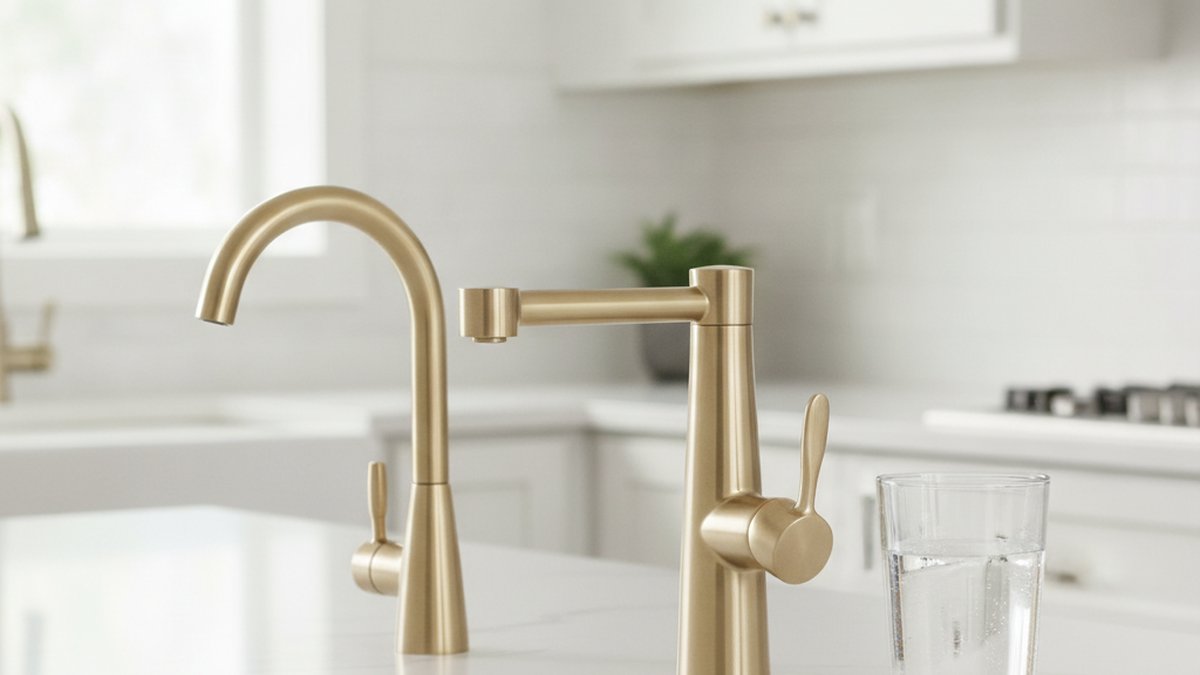
| Brushed gold | Good | Hides well | +$30–$70 | Statement vanities |
Bottom line: if you want the lowest-fuss, lowest-cost, most universally matchable single-hole faucet, chrome is the correct default. Choose a trend finish only when you’re styling a whole room around it and you accept the small upkeep and price premium.
Author note & why trust this guide
This guide is written by the product team at aleashafaucet, who spend their days spec’ing, testing, and warrantying single-hole faucets for real bathrooms. We pressure-cycle our ceramic-disc valves well beyond the industry’s typical 500,000-cycle benchmark, and our chrome faucets are plated over solid brass and certified to US lead-free standards (compliant with the Safe Drinking Water Act) with WaterSense-eligible 1.2 GPM aerators. Every faucet we sell is backed by a limited lifetime warranty on the finish and valve, because a faucet you have to babysit isn’t a faucet worth selling. The advice above reflects the same criteria we use to reject a design before it ever ships.
FAQ
Does a single-hole chrome faucet work on a 3-hole sink?
Yes. Use the deck plate (escutcheon) that most single-hole faucets include or offer as an accessory — it covers the two outer holes on a standard 4-inch centerset sink so you can run a single-hole faucet cleanly. Confirm your sink is a 4″ centerset (not an 8″ widespread) before buying the plate.
What size hole does a single-hole faucet need?
The US standard is 1-3/8 inches (about 35mm). Most single-hole faucets fit holes from 1-3/8″ up to about 1-1/2″ using the included gasket. If your hole is larger, a deck plate covers the gap.
Is chrome harder to keep clean than brushed nickel?
Slightly — polished chrome shows fingerprints and water spots a bit more than brushed nickel, but it wipes clean faster and never develops the dull cloudy patches that hurt cheaper matte finishes. A quick dry-wipe after use keeps it mirror-bright.
Do I need a plumber to install one?
Usually not. A single-hole faucet is the easiest type to install because it uses one hole and pre-attached supply lines; most people finish in 30–45 minutes. Call a plumber only if your shutoff valves are corroded or your supply lines don’t reach.
Why is my new chrome faucet dripping already?
A brand-new drip almost always means the cartridge seated wrong or a supply connection is loose, not a bad faucet. Turn off the water, re-seat the ceramic cartridge, and re-check the supply-line connections. If drips persist from the spout, the cartridge is defective and covered under warranty.