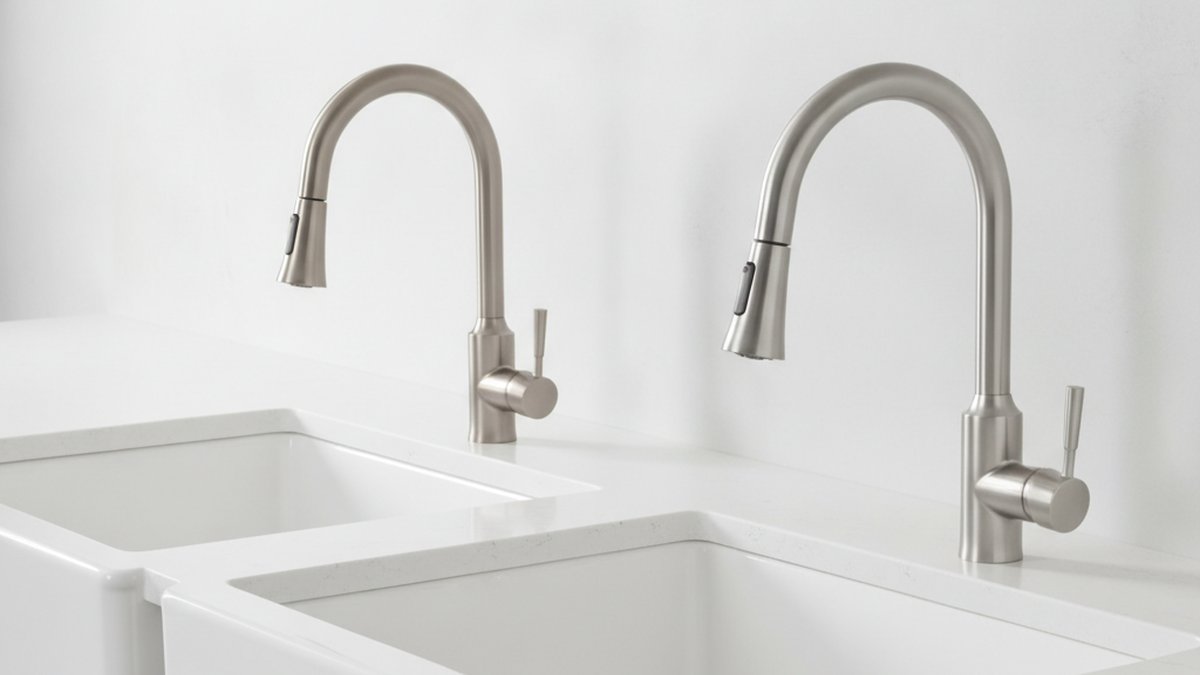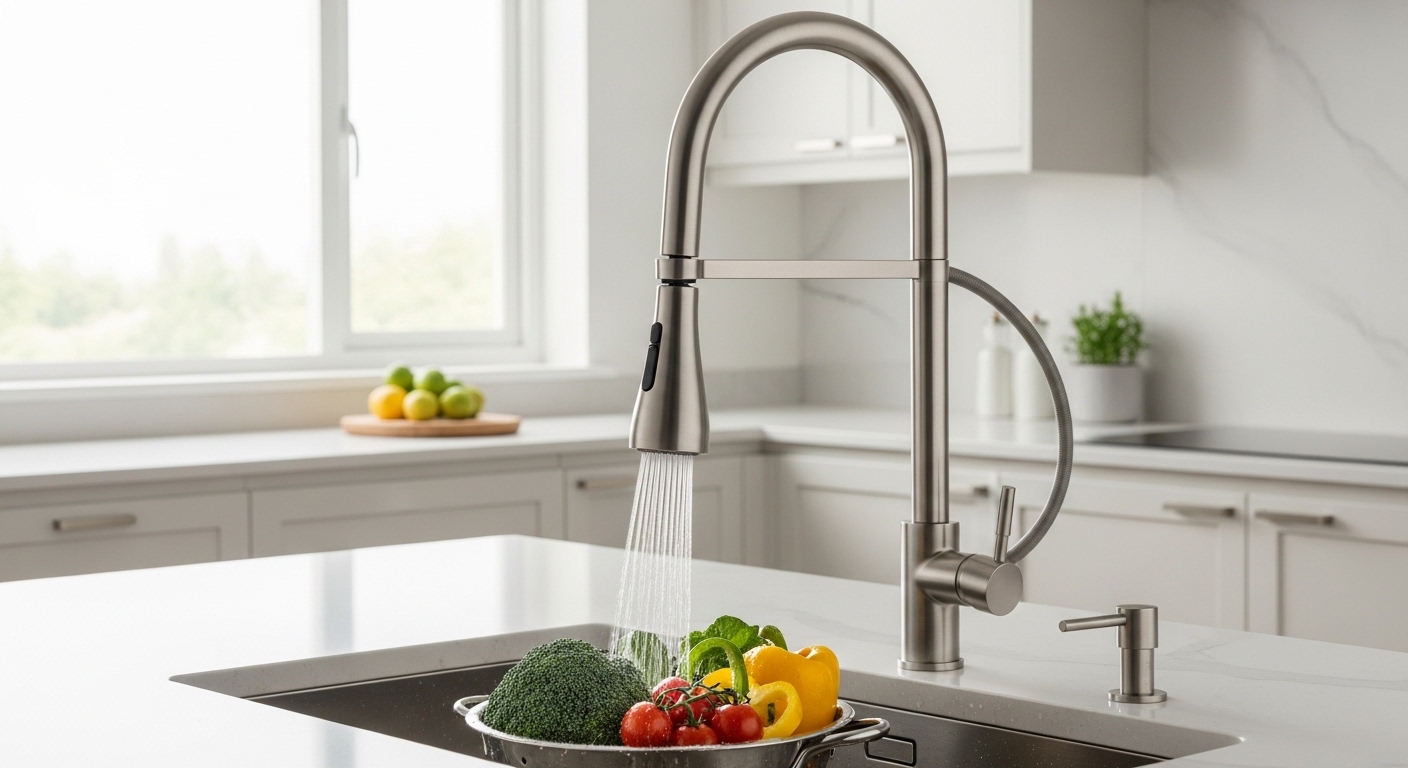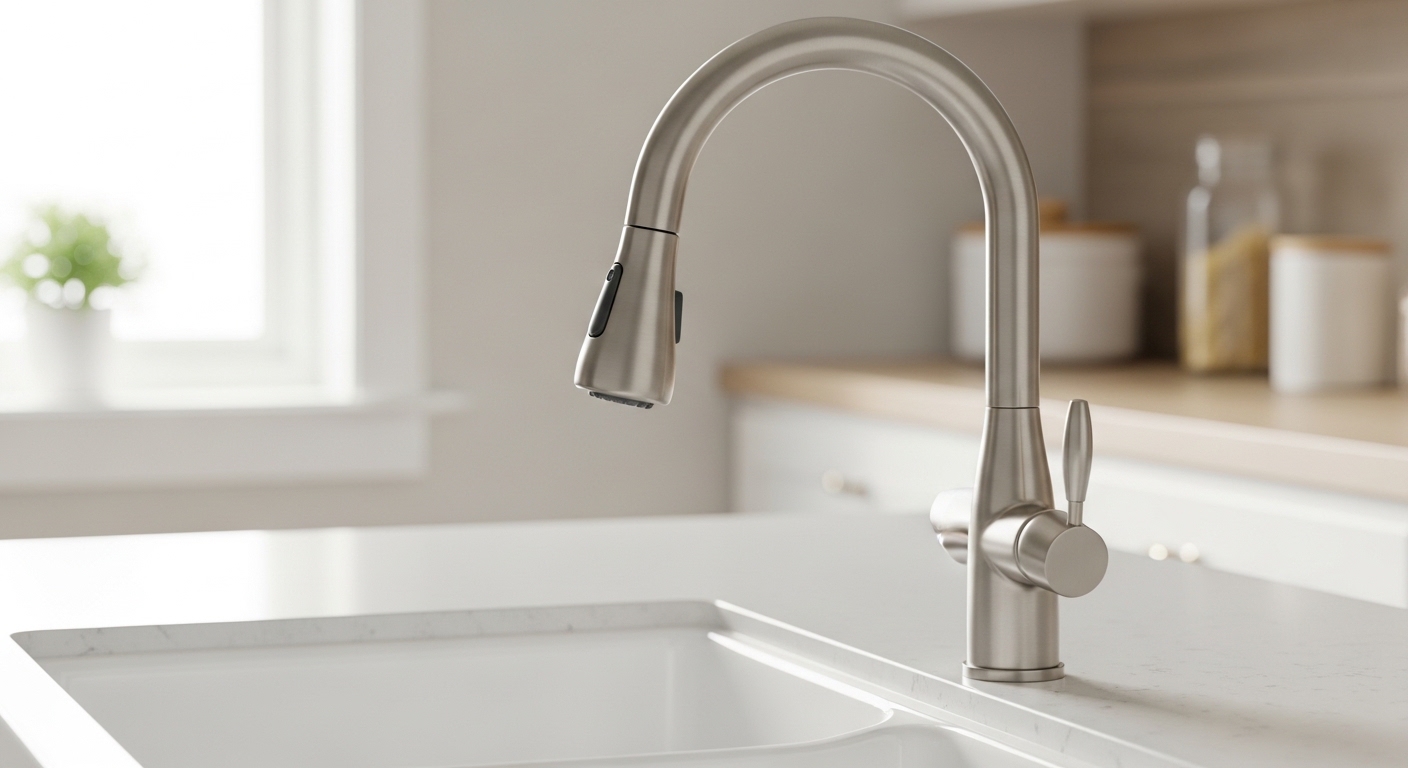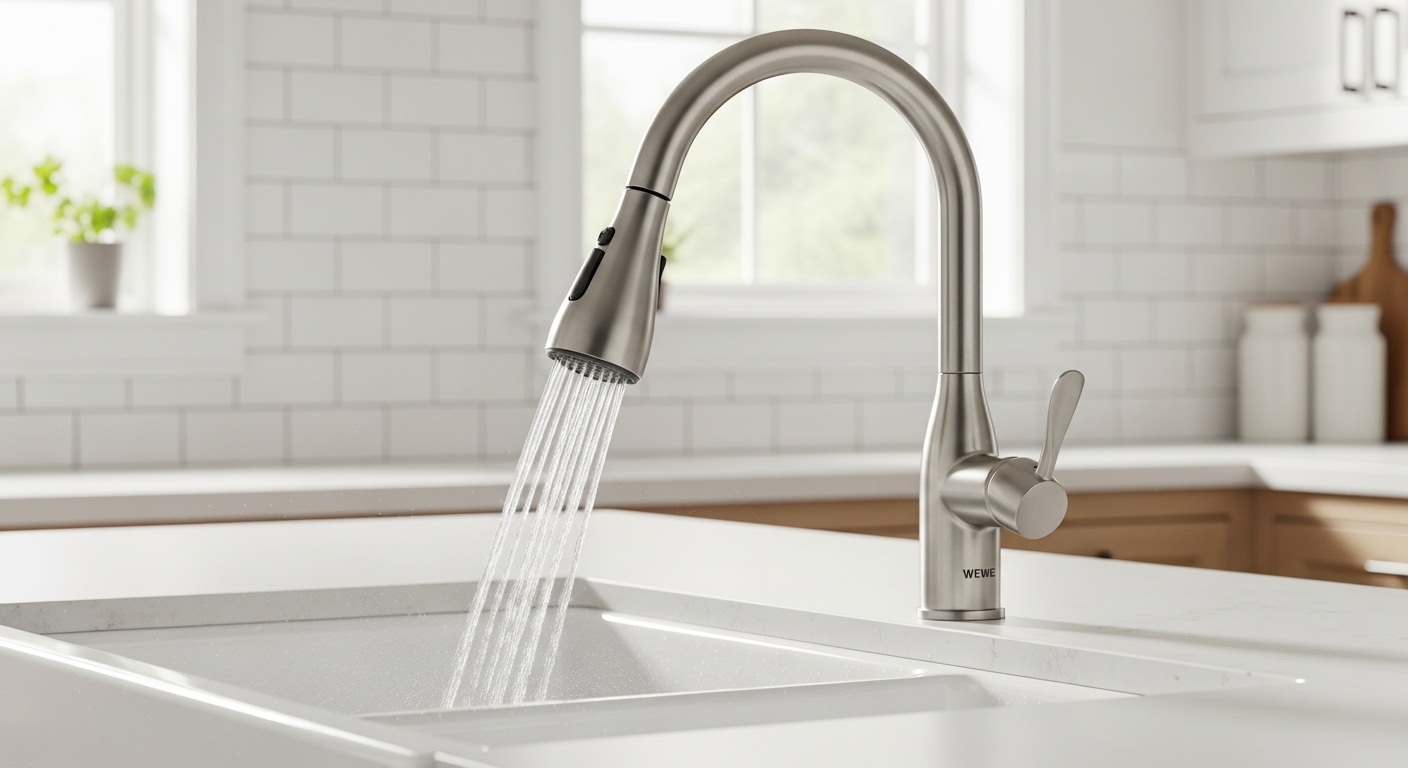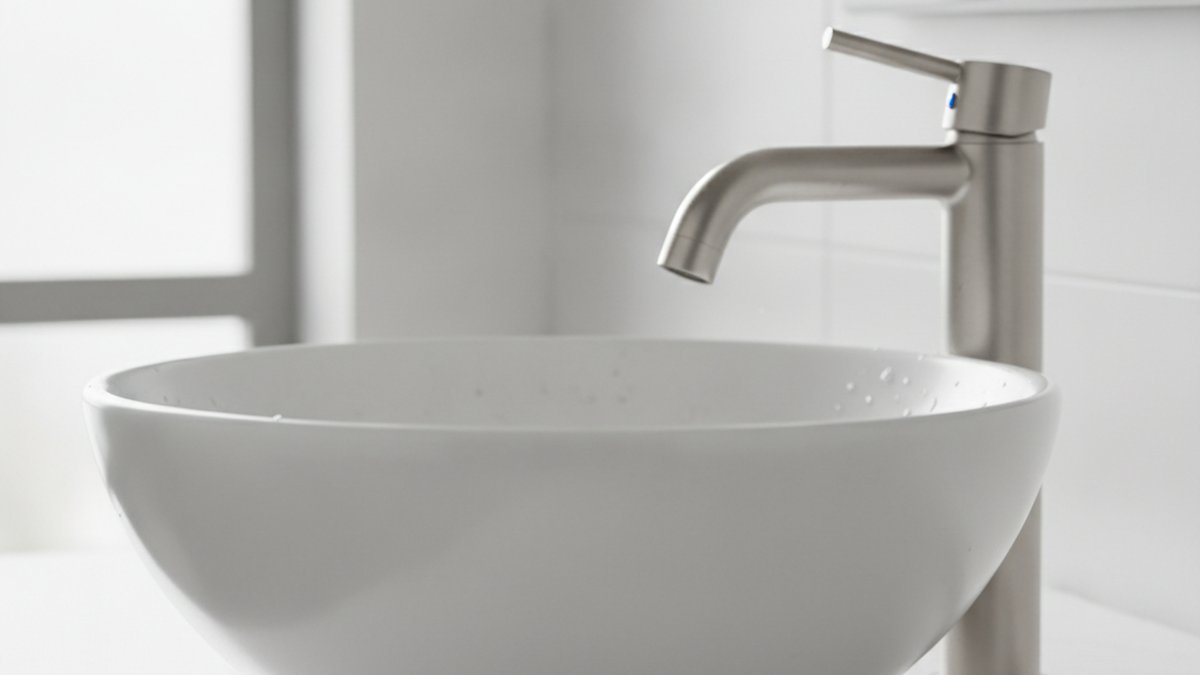
If you’re shopping for the best bathroom faucet one hole design, you’re really asking two questions at once: “Which single-hole faucet is genuinely worth buying?” and “Will it even fit the sink I already have?” This guide answers both in plain language, with the specs that actually matter — hole size, cartridge type, spout reach, finish durability, and flow rate — so you can pick once and not deal with drips, wobble, or a return two weeks later.
A one-hole (also called single-hole or single-post) faucet mounts through a single drilled opening in the sink or countertop, with the handle and spout combined into one body. It’s the layout you see on almost every modern vanity because it looks clean, wipes down fast, and leaves no gaps for grime. Below, we’ll walk through who it’s right for, how to confirm it fits, and which specs separate a faucet you’ll love from one you’ll quietly resent.
What exactly is a “one hole” bathroom faucet, and how is it different from a 3-hole one?
A one-hole bathroom faucet uses a single mounting hole and combines the spout and handle(s) into one unit, while a 3-hole (widespread or centerset) faucet uses separate holes for the spout and two handles. That single difference drives everything else — the look, the install time, and how much of your sink deck stays open.
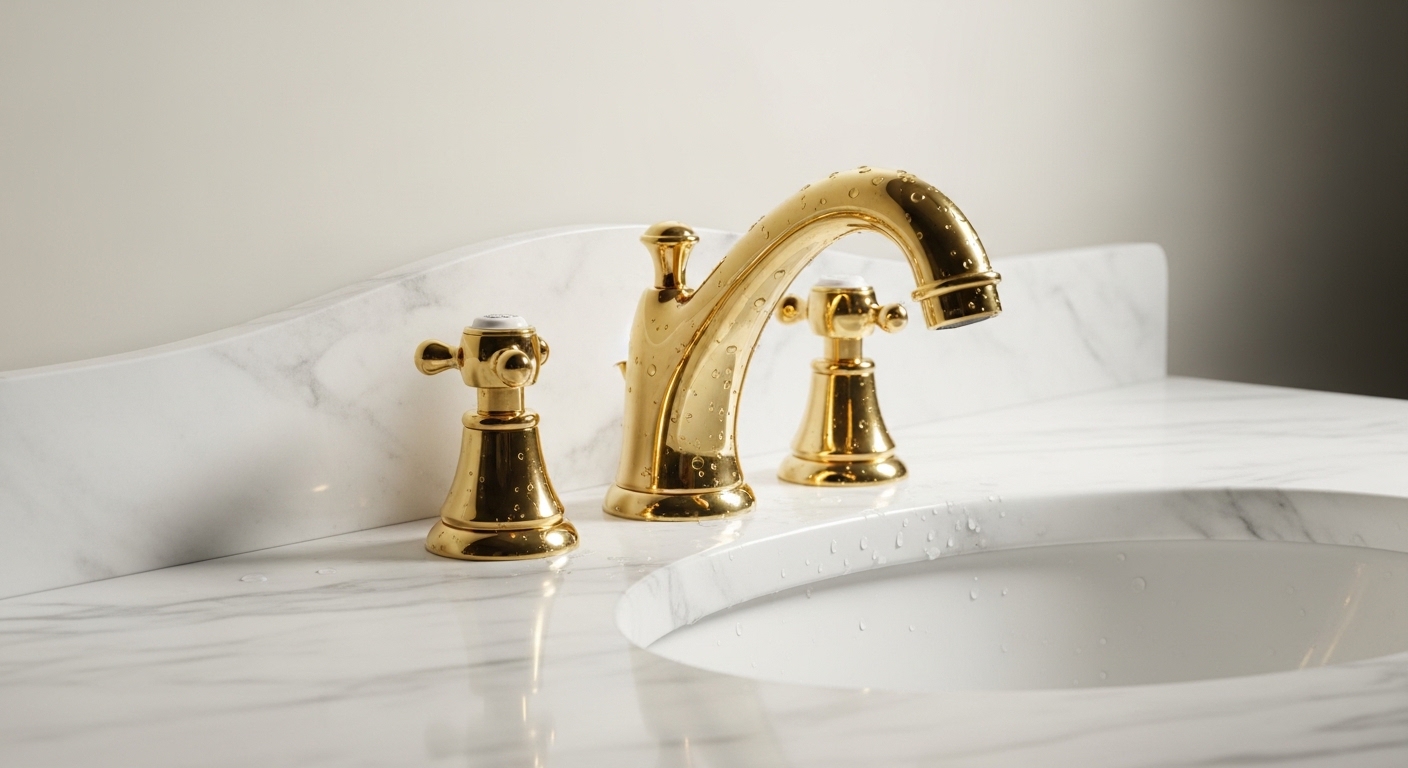
Here’s the practical breakdown. A single-hole faucet almost always uses one lever handle to control both temperature and flow, so you set the water with one motion. A widespread faucet spreads its two handles 8–16 inches apart across three holes. A centerset combines hot and cold handles on a single 4-inch base plate that still sits over three holes. If your sink is pre-drilled with three holes and you want a single-hole faucet, you’ll need a deck plate (escutcheon) to cover the two you won’t use — more on that below.
| Faucet Type | Holes Needed | Handle Style | Best For | Typical Price |
|---|---|---|---|---|
| Single-hole (one hole) | 1 | One lever | Small vanities, modern & minimalist baths, vessel sinks | $45–$180 |
| Centerset | 3 (4″ spread) | Two handles or one lever on a plate | Standard drop-in sinks, budget updates | $40–$150 |
| Widespread | 3 (8″–16″ spread) | Two separate handles | Large vanities, traditional & luxury baths | $120–$400 |
| Wall-mount | 0 in deck (in-wall) | One or two handles | Vessel sinks, custom designs | $150–$500 |
If you’re weighing single-hole against a centerset specifically, it’s worth reading our deeper explainer on what a centerset bath faucet is and whether it’s right for your sink — the two are the most commonly confused layouts, and the choice usually comes down to your existing sink drilling.
Will a single-hole faucet fit my sink? How do I check the hole size?
A single-hole bathroom faucet fits any sink or countertop with a hole between 1.25 and 1.375 inches (about 32–35 mm) in diameter — the near-universal standard in North America. To check, just measure the diameter of the existing opening; if it falls in that range, a standard single-hole faucet will drop right in.
The step people skip — and regret — is confirming the deck thickness and the space underneath. Most single-hole faucets are designed for a deck (sink or countertop) up to about 1.5–2 inches thick. Thick stone or a stacked vessel-sink setup can exceed the length of the mounting shank, so check the faucet’s listed maximum deck thickness before you buy. Under the sink, you also need room for the supply lines and the mounting nut, which is tight in shallow cabinets.
- Hole diameter: should be 1.25″–1.375″. A slightly larger hole is usually fine because the faucet base covers it.
- Deck thickness: confirm your counter isn’t thicker than the faucet’s rated shank length.
- Spout reach & height: measure from the faucet base to where water should land in the bowl — you want the stream centered over the drain, not splashing the back or the front rim.
- Supply lines: most modern single-hole faucets come with attached flexible braided lines that connect to 3/8″ or 1/2″ shutoff valves.
If you want a precise walkthrough of measuring an opening before you order, our guide on how to check faucet hole size so a fixture actually fits covers the exact same measuring method and applies directly to bathroom faucets too.
What should I actually look for in the best bathroom faucet one hole option?
The best one-hole bathroom faucet comes down to five specs: a solid brass body, a ceramic disc cartridge, a durable PVD finish, a WaterSense-rated flow of 1.2 GPM, and a spout height/reach that matches your bowl. Get those right and you have a faucet that lasts 15+ years without dripping.
Let’s translate each of those into plain terms, because the marketing copy rarely does.
Body material: why brass beats zinc
A solid brass or brass-core body resists corrosion and holds threads far better than the cheaper zinc-alloy bodies you find on the bottom shelf. Zinc faucets can crack at the threads and pit internally after a few years of hard water. If a listing doesn’t say brass, assume it’s zinc. Brass costs a bit more up front and pays for itself by simply not failing.
Cartridge: the part that actually leaks
The cartridge is the valve inside the handle that starts, stops, and mixes your water — and it’s the single most common source of a dripping faucet. A ceramic disc cartridge uses two polished ceramic plates that seal without rubber washers wearing out, so it dramatically outlasts old-style compression or ball valves. When a single-handle faucet does eventually drip, it’s almost always the cartridge — which is a cheap, DIY-friendly fix. If you’re troubleshooting a current faucet, our piece on why a faucet drips from the valve and how to fix it yourself walks through exactly that repair.
Finish: match it to your room and your cleaning habits
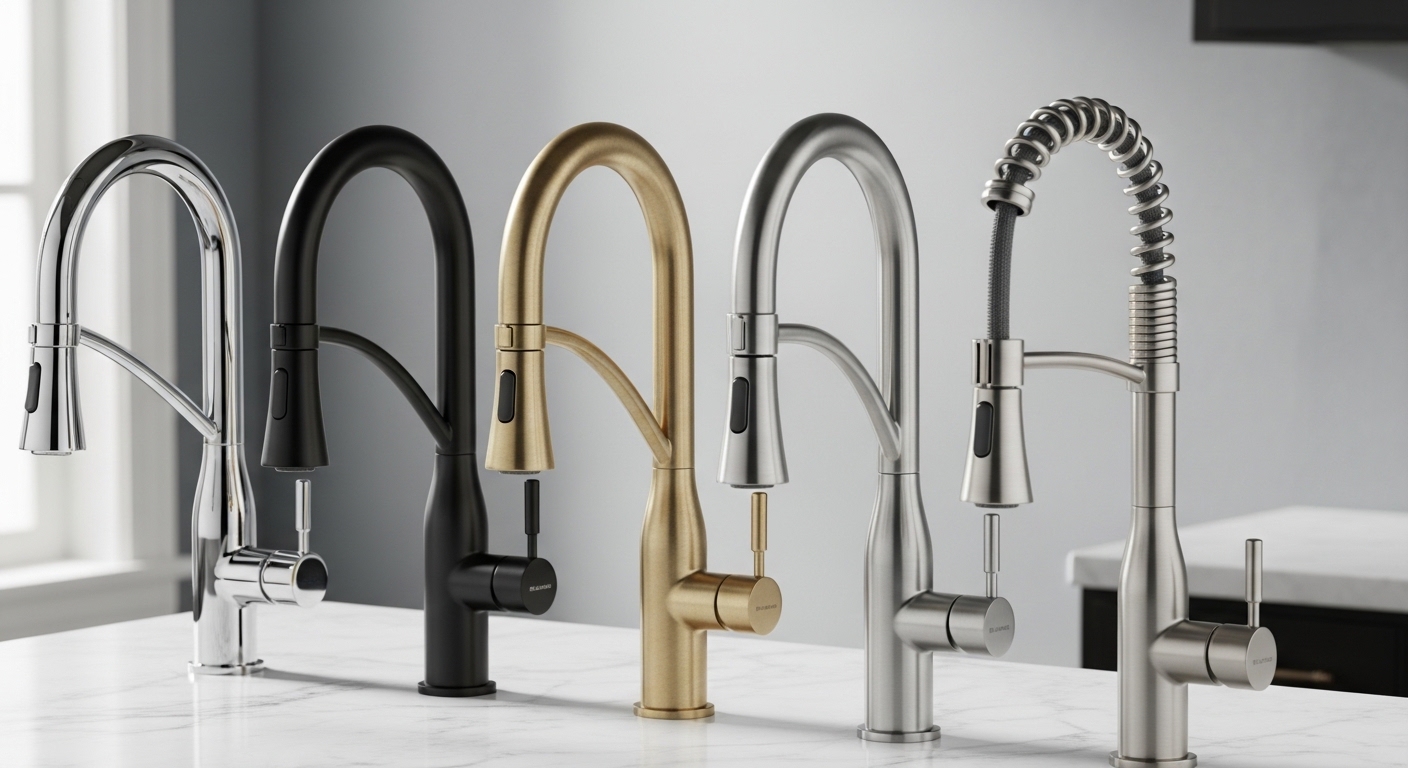
Finish is where personal taste meets practicality. Look for “PVD” (physical vapor deposition) finishes — they’re bonded at a molecular level and resist scratching and tarnish far better than electroplated coatings.
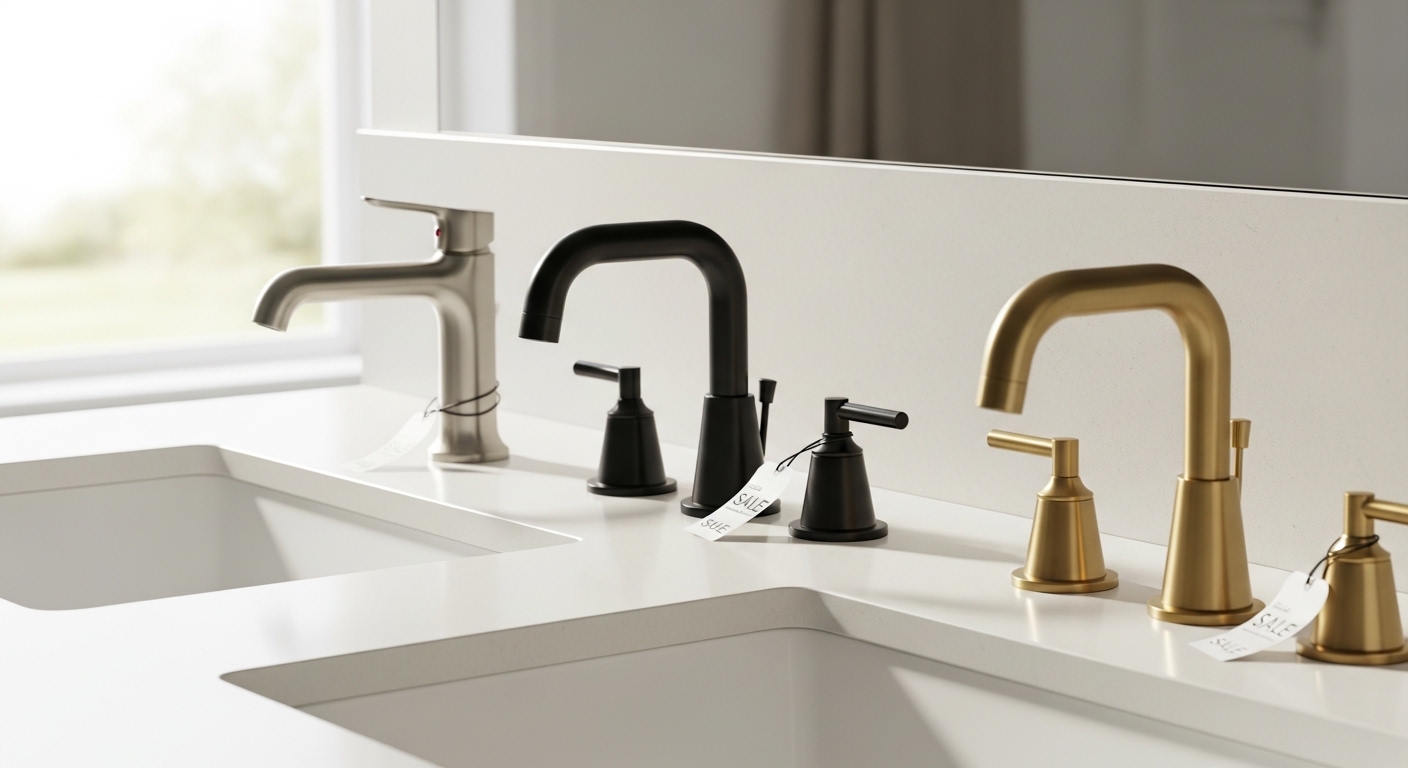
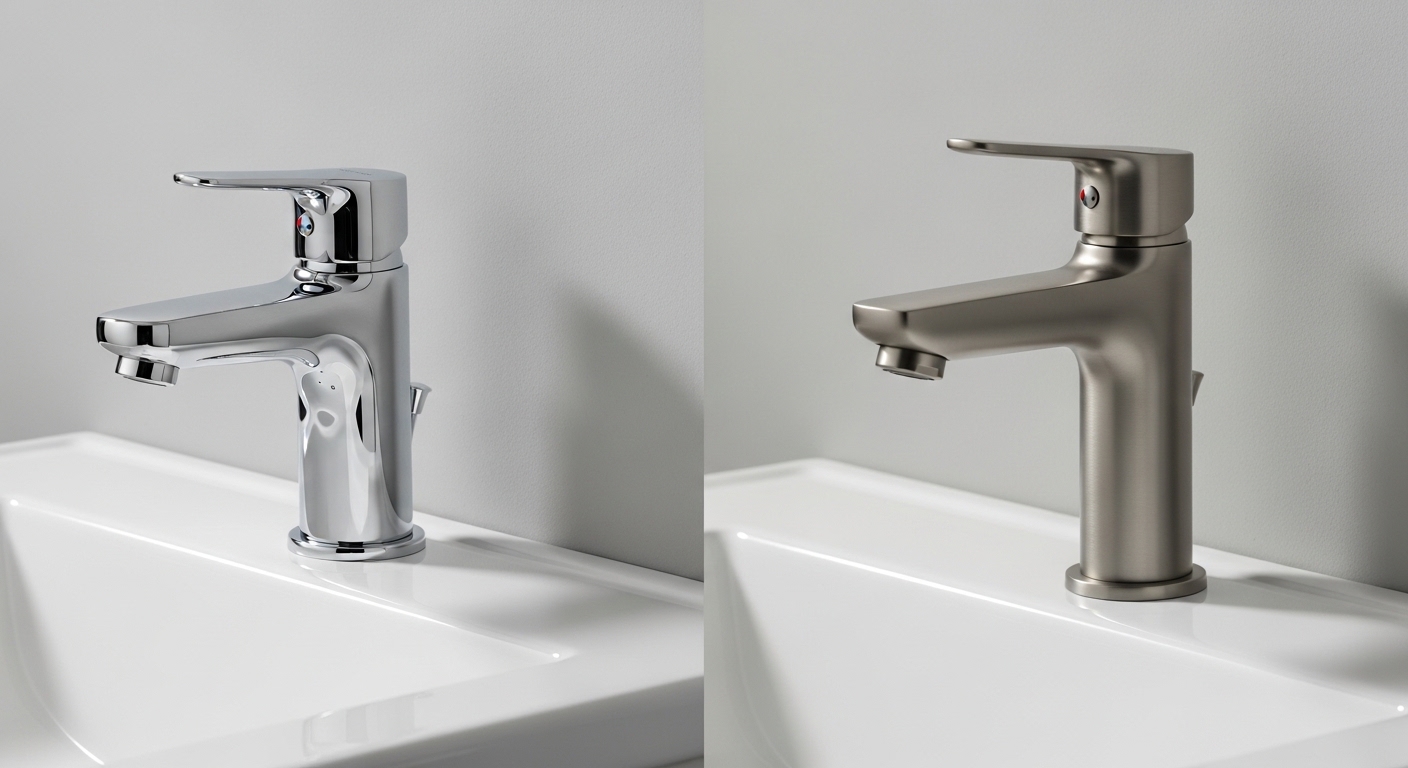
- Brushed nickel / brushed stainless: the most forgiving. Hides water spots and fingerprints, matches almost anything.
- Matte black: bold and modern, but shows hard-water spots and dust more; wipe it dry.
- Chrome: cheapest, brightest, easiest to clean, but shows every fingerprint.
- Brushed gold / champagne bronze: warm and on-trend; make sure other fixtures in the room can match the exact tone.
- Polished nickel: warmer than chrome, timeless, and a bit pricier.
Flow rate: don’t overpay on your water bill
Bathroom faucets in the U.S. are federally capped at 2.2 GPM, but the best ones ship with a WaterSense-labeled aerator at 1.2 GPM or 1.5 GPM. You won’t notice less pressure at a bathroom sink — you’re washing hands, not filling a pot — but you will notice the water savings. WaterSense-labeled models are independently certified to meet EPA efficiency and performance standards.
Is a single-hole faucet good for a small powder room or half-bath?
Yes — a single-hole faucet is the best choice for a small powder room or half-bath, because it takes up the least deck space, leaves the most room on a narrow vanity, and is the fastest fixture to wipe clean. In tight spaces, the combined spout-and-handle body simply gives you more usable counter.
For a compact vanity, aim for a spout height around 4–6 inches and a reach that lands the stream over the drain of your specific bowl. Vessel sinks (the bowls that sit on top of the counter) need a taller “vessel faucet” — usually 10–14 inches tall — so the spout clears the rim. A standard drop-in or undermount sink pairs with a standard-height single-hole faucet. If your existing faucet sits too low and water splashes awkwardly near the back of the basin, a bathroom sink faucet extender can sometimes bridge the gap, though replacing with a correctly sized single-hole unit is the cleaner long-term fix.
Do I need a deck plate if my sink already has 3 holes?
Yes — if your sink is pre-drilled with three holes and you want to install a single-hole faucet, you’ll need a deck plate (also called an escutcheon) to cover the two unused holes. Many single-hole faucets include an optional deck plate in the box for exactly this reason, so you can mount them on either a 1-hole or 3-hole sink.
The deck plate sits under the faucet base and spans the standard 4-inch centerset spread, hiding the outer holes for a clean finished look. If you’d rather not use a wide plate — say you want the minimalist single-post look but still need to hide one leftover hole — a dedicated faucet hole cover plugs an extra opening on its own and can be matched to your finish. Check the faucet’s product page or spec sheet to confirm whether a deck plate is included before you buy a separate one.
How much should I spend on a one-hole bathroom faucet?
For a bathroom you’ll actually keep, budget $60–$150 for a solid single-hole faucet with a brass body, ceramic cartridge, and PVD finish — that’s the sweet spot where quality jumps but you’re not paying for a designer name. Below $40 you’re usually getting zinc and plated finishes that won’t age well; above $200 you’re mostly paying for brand and styling.
Here’s how the tiers actually shake out in practice:
| Budget | What You Typically Get | Worth It For |
|---|---|---|
| Under $40 | Zinc body, plated finish, basic cartridge | Rentals, short-term flips |
| $60–$150 | Brass body, ceramic cartridge, PVD finish, WaterSense aerator | Most homeowners — the value pick |
| $150–$250 | Premium finishes, lifetime warranty, designer styling | Primary baths, resale-focused updates |
| $250+ | Luxury brands, specialty finishes, custom looks | High-end remodels |
One more money tip: check the warranty. A reputable single-hole faucet comes with a limited lifetime warranty on the finish and function — that’s a signal the maker expects the ceramic cartridge and PVD coating to genuinely last. If a faucet only carries a one-year warranty, that tells you something.
What are the most common mistakes when buying a single-hole faucet?
The biggest mistakes are ignoring spout reach, buying a zinc body to save $15, forgetting the deck plate for a 3-hole sink, and mismatching the finish to the rest of the room. Each one is easy to avoid once you know to look for it.
- Wrong spout reach or height. Too short and you’re washing your hands against the back wall of the basin; too tall on a shallow sink and water splashes out. Match reach and height to your bowl.
- Skipping the brass check. Zinc is the hidden downgrade. Confirm “solid brass” or “brass-core” in the specs.
- Forgetting the deck plate. A single-hole faucet on a 3-hole sink looks unfinished without one. Confirm it’s included or buy it separately.
- Finish mismatch. Your faucet, drain, towel bar, and shower fixtures should share a finish family. “Brushed gold” from two brands can look noticeably different in person.
- Ignoring flow rate. Grab a WaterSense 1.2 GPM aerator model to cut water use without any real loss of performance at the sink.
Which finish lasts longest and is easiest to keep clean?
Brushed nickel and brushed stainless are the longest-lasting, lowest-maintenance finishes for a one-hole bathroom faucet — the brushed texture hides water spots and fingerprints, and a PVD version resists scratching for the life of the faucet. Chrome is the easiest to wipe truly spotless but shows every print; matte black looks striking but needs a quick dry-wipe to stay spot-free in hard-water areas.
Whatever finish you choose, the enemy is hard water — mineral spotting and buildup dull any finish over time. Wiping the faucet dry after use and cleaning with a soft cloth (never abrasive pads or acidic cleaners) keeps a PVD finish looking new for years. If you’re already fighting hard water elsewhere in the house, that same water is what slowly clouds a bathroom faucet, so a softer-water home is kinder to every finish.
Author note & why trust this guide
This guide was written by the aleashafaucet product team — the same people who spec, pressure-test, and warranty the faucets we sell at www.aleashafaucet.com. We evaluate single-hole bathroom faucets against real-world criteria: cartridge cycle testing, finish adhesion (PVD vs. plated), and compliance with U.S. plumbing standards including ASME A112.18.1/CSA B125.1 and EPA WaterSense certification. Our recommendations reflect what actually holds up in customers’ bathrooms over years, not just what looks good in a product photo. Every faucet we recommend carries a manufacturer warranty, and we stand behind fit and finish because we hear from customers long after the sale.
FAQ
What size hole does a single-hole bathroom faucet need?
A standard single-hole bathroom faucet needs an opening of 1.25 to 1.375 inches (32–35 mm) in diameter. If your existing hole is slightly larger, the faucet base usually covers it; if it’s smaller, you may need to enlarge it or choose a different fixture.
Can I install a single-hole faucet on a sink with three holes?
Yes. Use a deck plate (escutcheon) to cover the two unused outer holes. Many single-hole faucets include one in the box so they work on both 1-hole and 3-hole sinks. If you only need to hide one extra opening, a matching faucet hole cover works too.
Is a single-handle faucet better than a two-handle one for a bathroom?
For most bathrooms, yes — a single-handle, single-hole faucet is easier to use one-handed, faster to clean, and has fewer parts that can leak. Two-handle widespread faucets suit larger, more traditional vanities where you want a wider, more classic look.
Why does my single-hole faucet drip, and can I fix it myself?
A dripping single-handle faucet is almost always a worn ceramic cartridge. It’s an inexpensive, DIY-friendly fix: shut off the water, pull the handle and cartridge, and swap in a matching replacement. Most people can do it in under 30 minutes with basic tools.
What is the best flow rate for a bathroom faucet?
Look for a WaterSense-labeled aerator at 1.2 GPM (gallons per minute). It meets EPA efficiency standards and delivers plenty of pressure for handwashing while saving water. The federal maximum is 2.2 GPM, so anything at or below 1.5 GPM is a smart, efficient choice.
How long should a good single-hole bathroom faucet last?
A quality single-hole faucet with a solid brass body and ceramic disc cartridge should last 15 years or more, with only occasional cartridge replacement. A PVD finish backed by a limited lifetime warranty is your best signal of long-term durability.