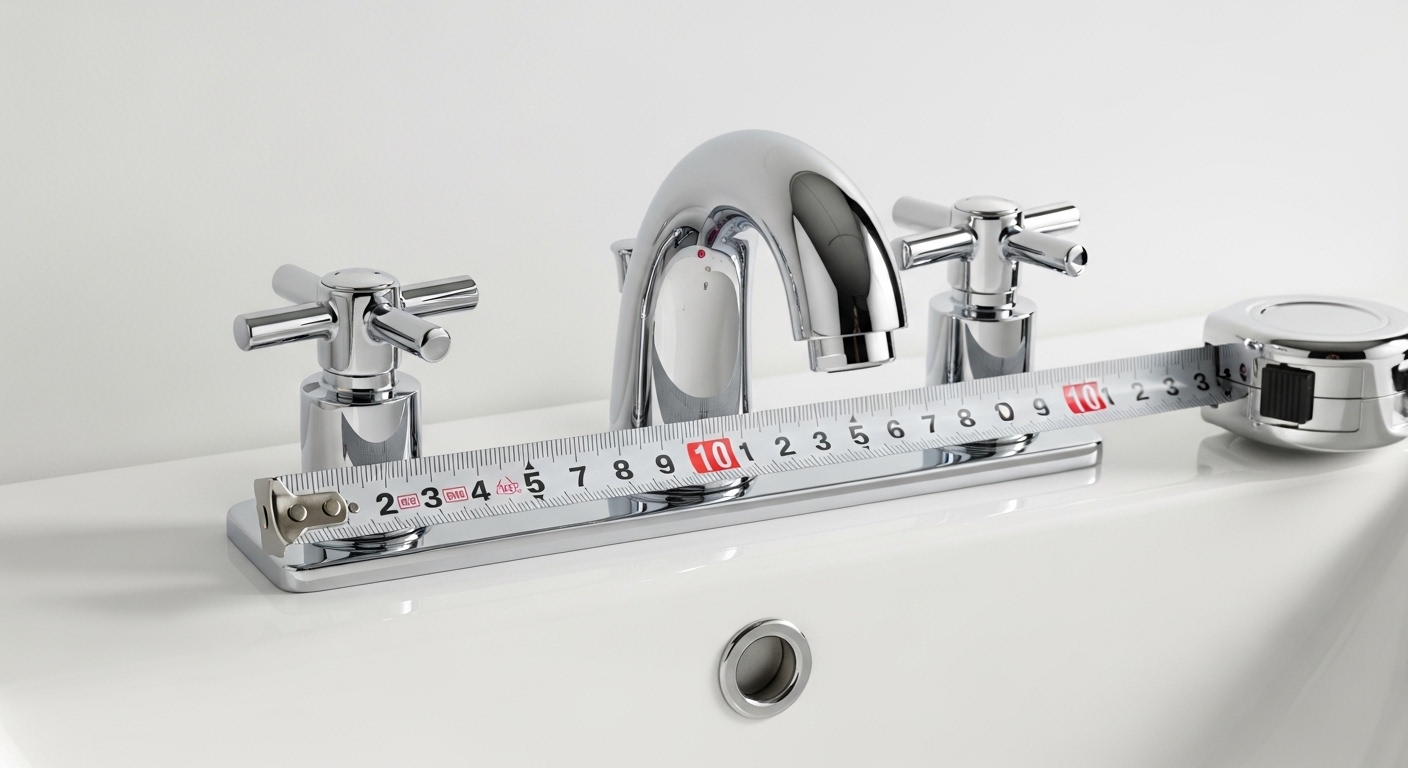
If you’ve been staring at your bathroom sink wondering why some faucets have handles glued to the spout and others spread across the counter, a centerset bath faucet is the “all-in-one” style — everything mounts on a single 6-inch base plate over three holes drilled 4 inches apart, center to center. It’s the most common configuration in American bathrooms, especially in homes built or remodeled in the last 40 years, and it’s the style most people picture when they think “standard bathroom faucet.” Below, I’ll walk you through exactly what it is, how to know if it fits your sink, how it stacks up against widespread and single-hole faucets, what finishes hold up, and how to install one yourself in about an hour.
What exactly makes a faucet “centerset” versus other types?
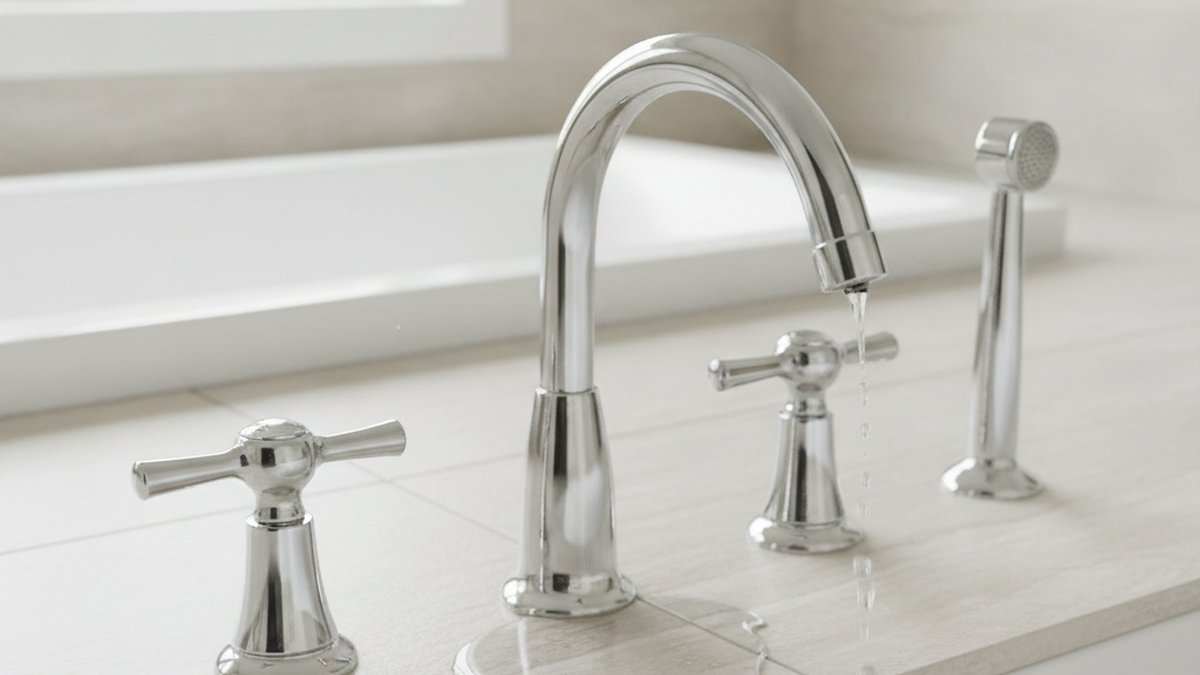
A centerset faucet is defined by two things: it fits 3 holes spaced 4 inches apart, and the spout plus handles sit on one connected base plate (also called an escutcheon or deck plate). That’s the whole definition. The “4 inches” is measured center-to-center between the two outer holes — not the width of the faucet body itself.
This matters because “centerset” is often confused with three other layouts, and buying the wrong one means it won’t fit your sink at all. Here’s the quick breakdown:
- Centerset (4″): One base plate, three holes 4 inches apart. Usually two handles, sometimes a single lever mounted on the plate. The most common bathroom style.
- Single-hole: Spout and one lever handle in a single hole. Sleek and modern, but needs only one hole — or a deck plate to cover the extra two.
- Widespread (8″): Three separate pieces — spout in the middle, two handles 6 to 16 inches apart — with no connecting plate. Higher-end look, needs flexible spacing.
- Mini-widespread: Looks like a widespread (three separate pieces) but fits the same 4-inch centerset hole spacing. A clever hybrid.
So the fastest way to know what you have: measure the distance from the center of the leftmost hole to the center of the rightmost hole. If it’s 4 inches, a centerset bath faucet is your match.
How do I know if a centerset bath faucet will fit my bathroom sink?
Grab a tape measure and check the hole spacing — if your two outer holes are 4 inches apart center-to-center, a centerset bath faucet fits. That single measurement decides it. But there are three more checks worth doing before you buy so you’re not returning anything:
- Count the holes. Centerset faucets are designed for 3 holes. If your sink has only 1 hole, you’ll want a single-hole faucet (or a centerset with a base plate that covers the deck — many do). If it has 3 holes at 8 inches, you need widespread, not centerset.
- Measure center-to-center. 4 inches = centerset. 8 inches = widespread. Anything odd usually means an older or imported sink.
- Check the hole diameter. Standard faucet holes are 1-3/8 inches (about 34.9 mm), and most centerset faucets are built to fit that. Some sinks run up to 1-1/2 inches, which is still fine.
- Look under the counter. Make sure you have room for the shanks and the supply lines, and confirm your water supply valves are reachable.
One tip that saves people a lot of grief: if you’re switching FROM a widespread faucet TO a centerset, the 4-inch plate won’t cover 8-inch holes, so plan the reverse carefully. And if you have an unused hole after downsizing to a single-hole style, a simple faucet hole cover hides it cleanly instead of forcing a whole new sink.
Centerset vs. widespread vs. single-hole: which one should you actually buy?
Buy centerset if your sink has 4-inch spacing and you want the easiest install and best value; buy widespread for a high-end, custom look with more flexibility; buy single-hole for a minimalist modern vanity. Here’s how the three compare on the things that actually drive the decision:
| Feature | Centerset (4″) | Widespread (8″) | Single-hole |
|---|---|---|---|
| Hole spacing needed | 3 holes, 4″ apart | 3 holes, 6–16″ apart | 1 hole (or plate covers 3) |
| Typical price range | $40–$180 | $120–$400+ | $50–$250 |
| Install difficulty | Easy (one unit) | Moderate (3 pieces) | Easy |
| Look | Classic, compact | Upscale, spacious | Modern, minimal |
| Best for | Standard vanities, rentals, kids’ baths | Large master vanities | Small or contemporary sinks |
| Handles | Two, or single lever | Two, separated | Single lever |
For most bathrooms — powder rooms, guest baths, kids’ baths, rentals, and standard vanities — the centerset wins on practicality. It’s cheaper, it installs in under an hour, and because the spout and handles share one solid base, there are fewer connection points to leak over time. Widespread faucets look more custom and let you space the handles to a wide vanity, but they cost more and take longer to install because you’re plumbing three separate bodies together. Single-hole faucets are the cleanest modern look, but the two-handle centerset still feels more traditional and lets you fine-tune hot and cold separately, which some people simply prefer.
What finish holds up best on a centerset bath faucet?
For everyday durability with the least maintenance, brushed nickel and matte black hide water spots and fingerprints best, while chrome is the most budget-friendly and easiest to clean but shows every droplet. Finish is where a centerset faucet earns its looks, and it’s the choice you’ll live with daily. Here’s the honest rundown:
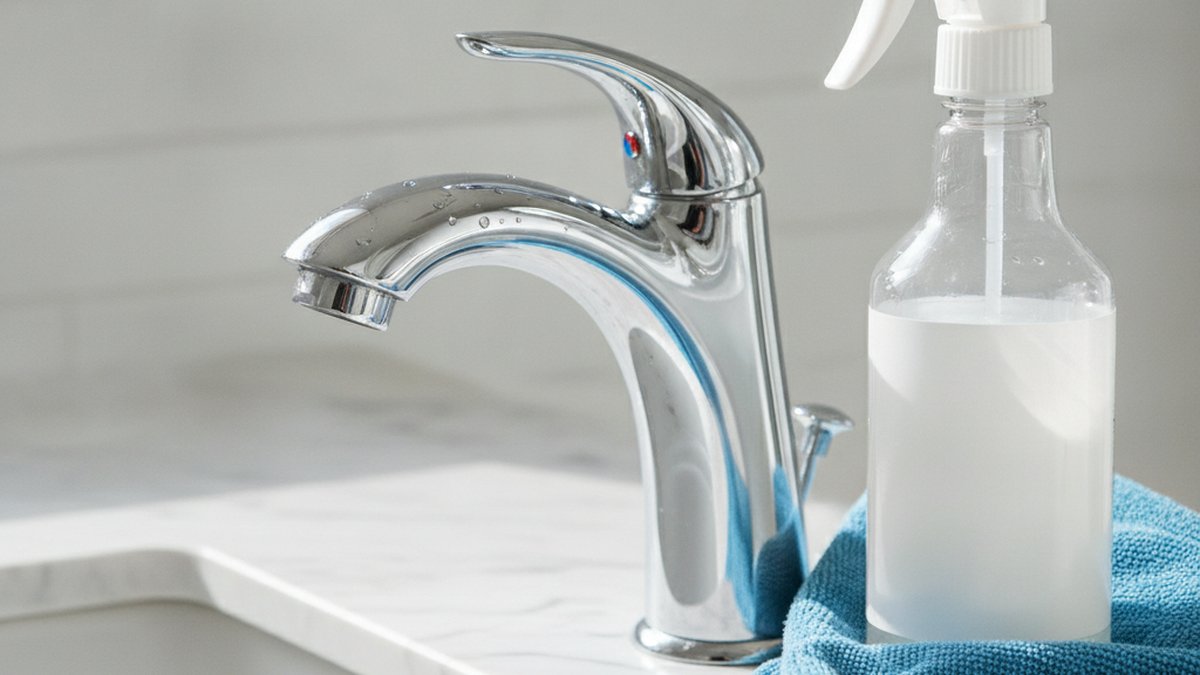
- Chrome: The classic. Cheapest, brightest, easiest to wipe down, and matches almost anything. Downside: water spots and fingerprints show fast.
- Brushed nickel: The most forgiving finish for busy bathrooms — its soft satin surface hides spots and smudges. Warm-neutral tone that pairs with most fixtures.
- Matte black: Very on-trend and great at hiding fingerprints, but hard water can leave chalky mineral streaks if you don’t wipe it. Bold, modern statement.
- Brushed gold / champagne bronze: Warm, upscale, increasingly popular. Costs a bit more but transforms a plain vanity.
- Polished nickel: Warmer than chrome, a touch pricier, and a favorite for transitional and vintage-style baths.
Whatever finish you pick, look for a PVD (physical vapor deposition) coating rather than a cheap electroplate — PVD finishes are dramatically more scratch- and tarnish-resistant and are what quality faucets use. If you like warm metals but worry about them dating, we broke down the longevity question in our guide on whether brushed gold traditional taps are worth it — the short version is that a good PVD gold holds up for years.
How do you install a centerset bath faucet yourself?
You can install a centerset bath faucet yourself in about 45 to 60 minutes with a basin wrench, an adjustable wrench, plumber’s putty or silicone, and a towel — no plumber needed. Because the whole unit is one piece, it’s genuinely one of the easiest plumbing jobs in the house. Here’s the sequence:
- Shut off the water. Turn the two supply valves under the sink clockwise until they stop, then open the old faucet to release pressure.
- Disconnect and remove the old faucet. Use a basin wrench to loosen the supply lines and the mounting nuts underneath, then lift the old faucet out. Scrape off old putty and clean the deck.
- Set the new faucet. Many centerset faucets have a built-in gasket; if yours doesn’t, apply a bead of plumber’s putty or silicone under the base plate. Drop the faucet through the three holes.
- Secure it underneath. Hand-tighten the mounting nuts, then snug them with the basin wrench. Don’t overtighten — you can crack the base.
- Connect the supply lines. Attach hot to the left, cold to the right, wrapping the threads with plumber’s tape. Tighten firmly but not gorilla-tight.
- Turn the water back on and test. Open the valves slowly, remove the aerator, and run the faucet 15 seconds to flush debris. Check every joint for drips.
If you turn everything on and get weak flow, don’t panic — that’s almost always a clogged aerator full of installation debris, not a bad faucet. We cover the fix in our guide on why a faucet aerator causes low pressure. And if you ever see a slow drip from the handle base months later, that’s usually a worn cartridge or valve, which is a cheap swap — see our walkthrough on fixing a dripping faucet valve yourself.
Is a centerset bath faucet a good value, or should you spend more?
For most bathrooms, a centerset bath faucet in the $60–$120 range hits the sweet spot of solid-brass durability and ceramic-disc valves without paying for a designer name. You don’t need to spend $300 to get a faucet that lasts 15+ years. What actually separates a faucet that lasts from one that leaks in two years is the internals, not the price tag:
- Ceramic disc valve or cartridge: This is the single most important spec. Ceramic-disc valves are drip-proof for far longer than old rubber-washer designs. Look for it explicitly.
- Solid brass body: Heavier, corrosion-resistant, and lead-safe when it’s certified lead-free brass. Avoid zinc-alloy (pot metal) bodies that corrode.
- 1.2 GPM flow rate: Modern WaterSense-labeled bathroom faucets cap at 1.5 GPM, and many efficient models run 1.2 GPM — plenty for a sink while cutting water use.
- Certifications: Look for cUPC/UPC listing and NSF/ANSI 61 and 372 compliance, which verify the faucet is safe for drinking water and meets lead-free standards.
Spending more gets you fancier finishes, brand-name warranties, and sometimes touchless tech — nice, but not necessary for a faucet to perform well. Where I’d tell a friend to spend the extra $30 is on the finish quality (PVD) and a lifetime warranty, because those are the things you notice every single day.
Common mistakes people make buying a centerset faucet
The number one mistake is buying widespread when your sink is centerset (or vice versa) — always measure hole spacing first. Beyond that, watch for these:
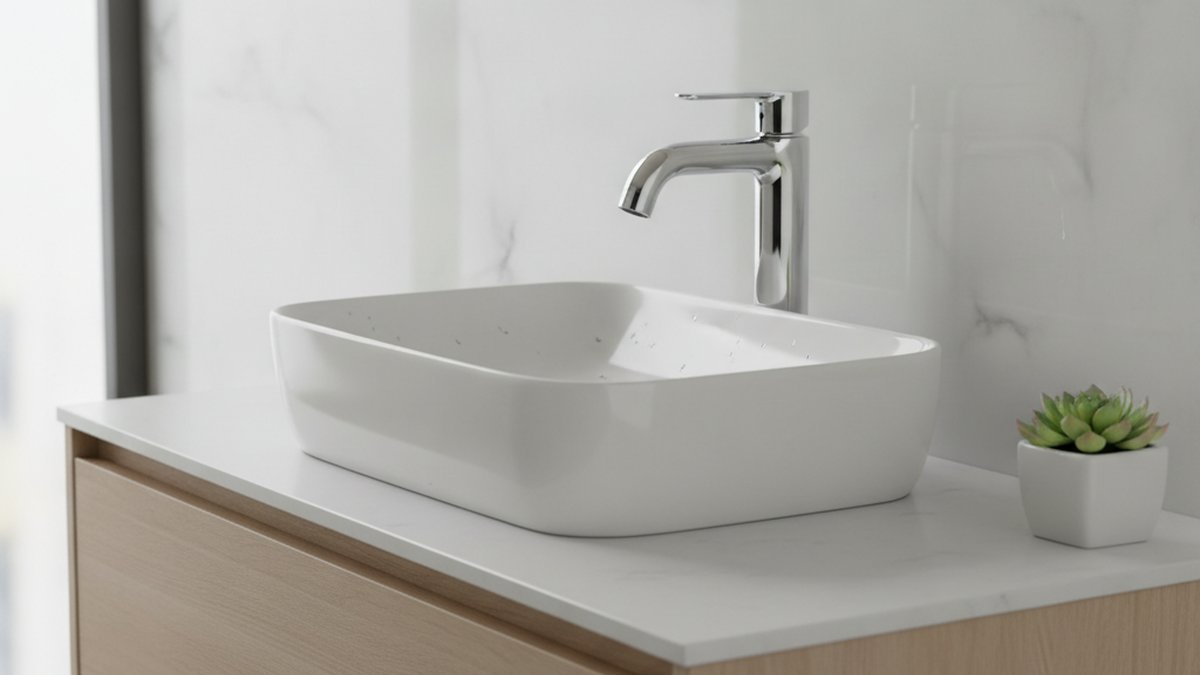
- Ignoring spout reach and height. A tall spout on a shallow vessel-style sink splashes everywhere. Match the spout to your sink depth.
- Forgetting the drain assembly. Many centerset faucets include a pop-up drain; some don’t. Check before you buy so you’re not making a second trip.
- Reach problems for kids or short users. If little hands can’t get under the spout, a bathroom sink faucet extender is a cheap fix that beats replacing the whole faucet.
- Mismatched finishes. Your faucet, drain, cabinet hardware, and any tub fixtures should coordinate. If you’re also doing the tub, our take on the best black tub spout helps you keep finishes consistent.
FAQ
What size is a centerset bathroom faucet?
A centerset bathroom faucet fits three holes spaced 4 inches apart (measured center-to-center between the outer holes) and typically sits on a base plate about 6 inches wide. The standard faucet hole diameter it fits is 1-3/8 inches.
Can I put a centerset faucet on a single-hole sink?
Not directly — a centerset needs three holes. However, some centerset faucets are actually single-hole faucets that ship with a base plate to cover extra holes, and a true single-hole faucet can be dressed up with an optional deck plate. If you have one hole, buy a single-hole faucet or a centerset explicitly labeled as single-hole compatible.
Is centerset the same as 4-inch spread?
Yes. “4-inch spread” and “centerset” describe the same thing: a faucet designed for holes 4 inches apart. Just note that a mini-widespread also fits 4-inch spacing but comes as three separate pieces instead of one connected base plate.
Are centerset faucets outdated?
No. Centerset faucets remain the most common bathroom style in the U.S. because they fit standard sinks and install easily. Modern centerset models come in single-lever, matte black, and brushed gold designs that look completely current — the style is about hole spacing, not fashion.
How long does a centerset bath faucet last?
A quality centerset faucet with a solid-brass body and a ceramic-disc valve typically lasts 15 to 20 years or more. The finish and cartridge are what wear first; cartridges are an inexpensive replacement, and a good PVD finish resists tarnishing for the life of the faucet.
Do centerset faucets come with a drain?
Some do, some don’t. Many include a matching pop-up drain assembly, but budget models often sell the drain separately. Always check the product listing so your faucet and drain finishes match and you’re not surprised at install time.
About the author: This guide was written by the product team at aleashafaucet, drawing on hands-on installation and bench-testing of hundreds of bathroom faucets. We measure hole spacing, valve types, and finish durability the same way a real installer would before recommending anything.
Why trust aleashafaucet: We design and sell faucets and bathroom fixtures built to cUPC and NSF/ANSI 61 & 372 lead-free standards, with ceramic-disc valves rated for 500,000+ cycles and a limited lifetime warranty on finish and function. Every model we recommend is tested against the same standards we’d want in our own homes. Explore the full lineup at www.aleashafaucet.com.