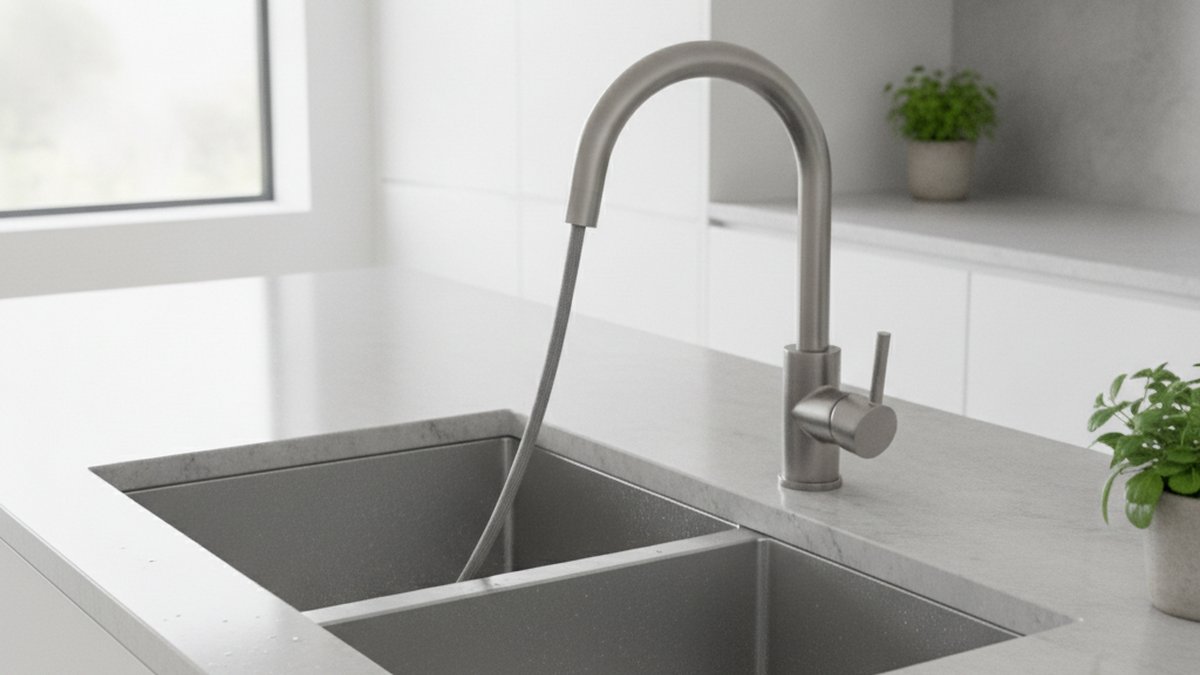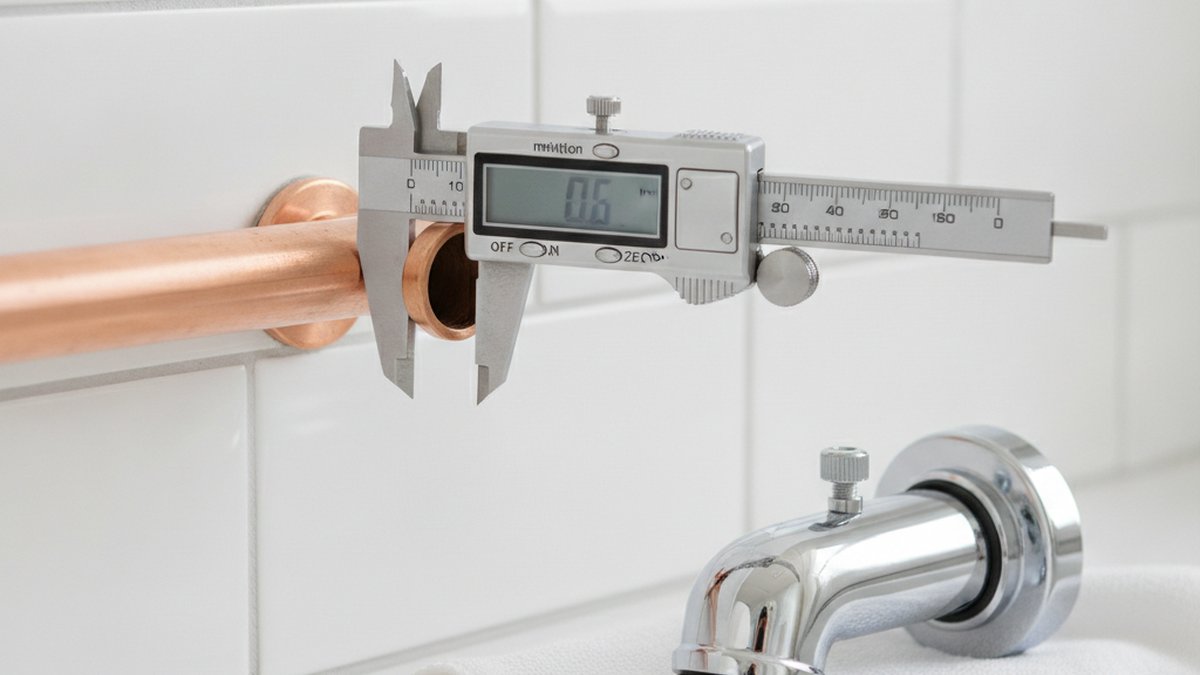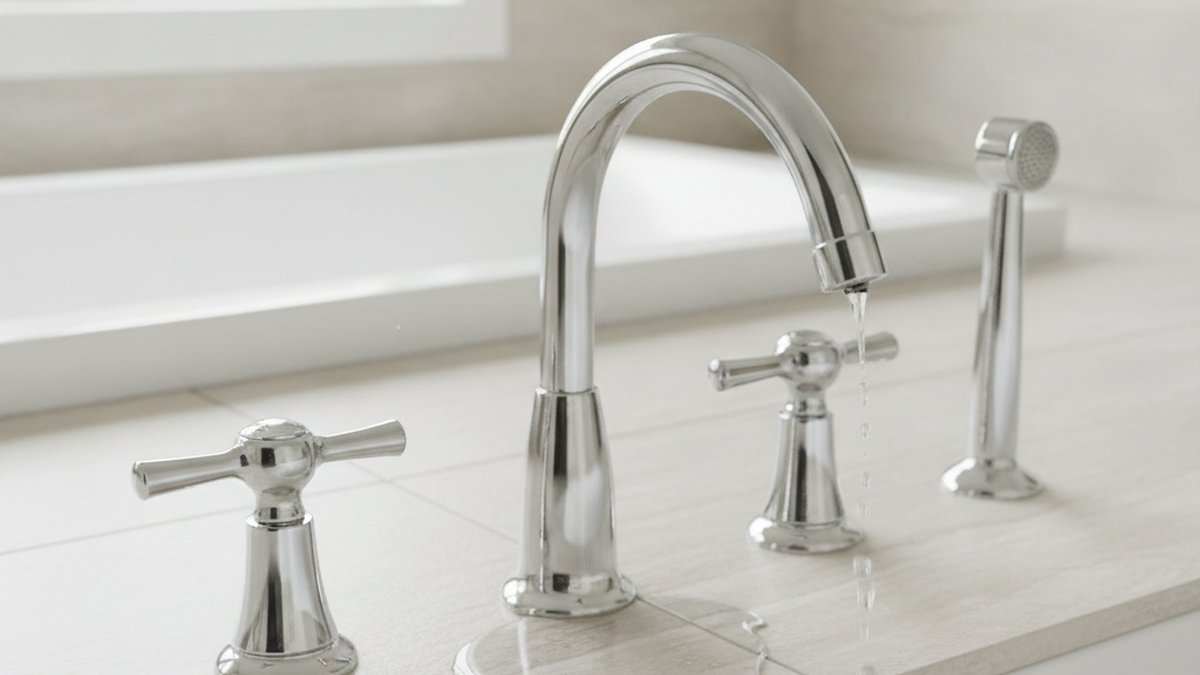
A polished nickel faucet hole cover exists to solve one very specific, very annoying problem: you have an extra hole in your sink or countertop, and you don’t want it there. Maybe your old three-hole setup had a side sprayer that died. Maybe you upgraded to a sleek single-handle pull-down faucet that only uses one hole. Whatever the reason, that empty hole collects gunk, drips, and looks unfinished — and a matching polished nickel cover makes it disappear cleanly. In this guide we’ll answer the real questions people ask before buying one: what size you need, whether it’ll actually match your faucet, how it installs, and how it compares to a full deck plate.
What exactly is a polished nickel faucet hole cover, and how is it different from a deck plate?
A faucet hole cover is a single small cap that plugs one unused hole; a deck plate (also called an escutcheon) is a longer base plate that spans multiple holes and sits under the faucet itself. They solve overlapping problems, but they’re not the same part. If you have one lonely leftover hole off to the side, you want a hole cover. If you’re mounting a single-hole faucet onto a countertop that was drilled for three holes and want to hide all the extras under one clean plate, you want a deck plate.
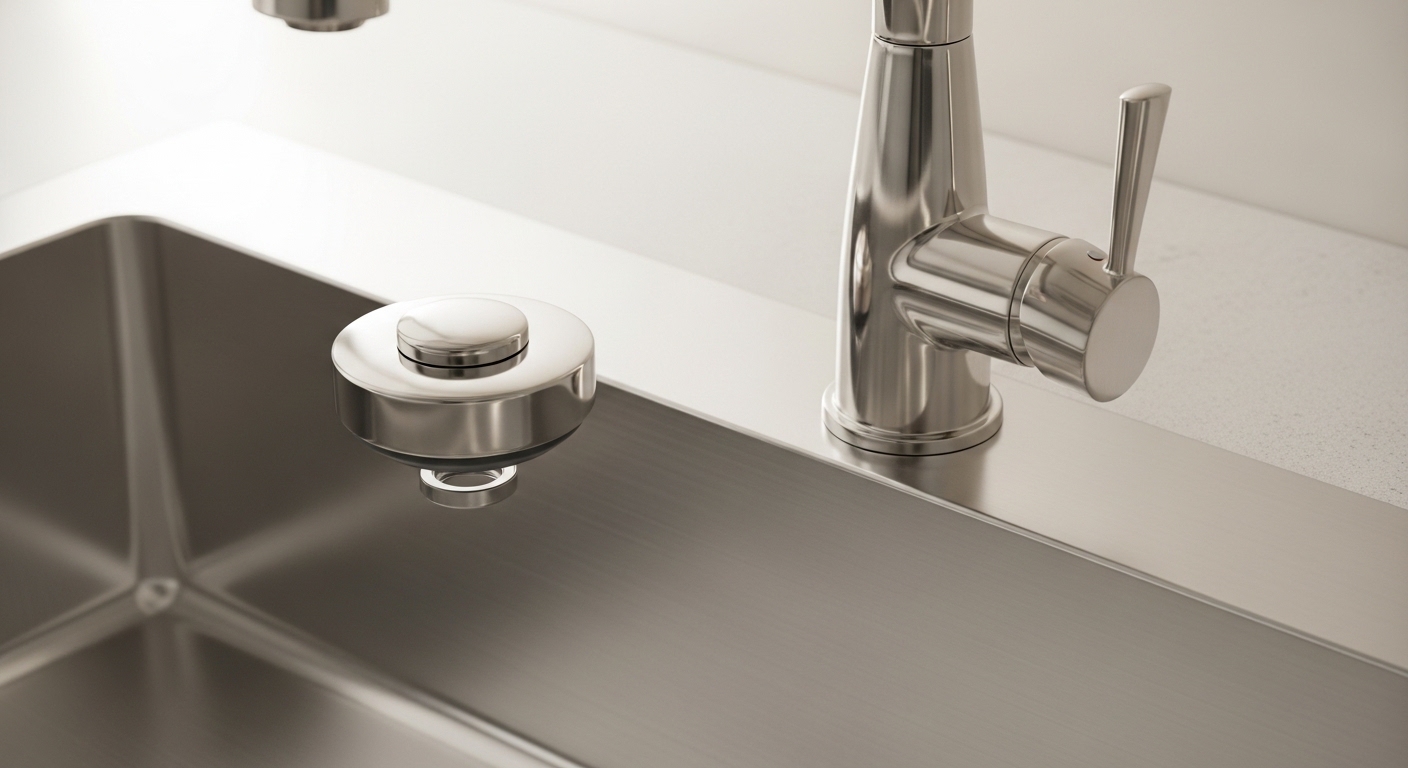
Here’s the practical breakdown. A polished nickel faucet hole cover is typically a round chrome-bright cap with a rubber gasket underneath and a threaded post or expanding wingnut that clamps it to the deck from below. It’s designed for standard sink knockout holes — usually 1.25″ to 1.5″ in diameter, though some cover a range with an adjustable base. A deck plate, by contrast, is a 10″ or so oblong plate that most centerset and single-hole faucets can share. Both come in polished nickel, but the finish match matters more than the shape — we’ll get to that.
If you’re weighing a plate instead of a single cap, it’s worth reading our deeper look at whether you really need a faucet deck plate and how to pick the right one. The same sizing logic applies whether the finish is matte black or polished nickel.
What size faucet hole cover do I need for a standard kitchen or bathroom sink?
For most kitchen sinks, you need a cover that fits a 1.5-inch (38 mm) hole; for most bathroom sinks, it’s usually 1.25 to 1.375 inches (32–35 mm). The single biggest mistake people make is buying a cover that’s too small for the hole — so always measure the hole itself, not the fixture that was in it.
Standard American sink and countertop mounting holes follow a few common sizes. Here’s what you’ll typically run into:
- 1.25″ (32 mm) — very common in bathroom sinks and older kitchen decks.
- 1.375″ (35 mm) — a frequent European and bathroom standard.
- 1.5″ (38 mm) — the most common kitchen sink knockout size in the US.
- Up to 1.75″ (44 mm) — some stainless steel kitchen sinks run slightly oversized.
To measure, drop a tape measure across the widest part of the hole from the top of the deck. If you’re between sizes, look for an adjustable-fit polished nickel faucet hole cover — many use an expanding underside collar that grips holes from roughly 1.25″ up to 1.75″, which removes the guesswork entirely. Also check your deck thickness: most covers accommodate countertops and sink decks up to about 2.5″ thick, but a thick stone counter can exceed a cheap cover’s threaded post.
Will polished nickel actually match my faucet, or will it look off?
Polished nickel matches other polished nickel and coordinates well with chrome and stainless — but it is not identical to chrome, and it clashes with warm tones like brushed gold or matte black. Polished nickel has a slightly warmer, softer, almost buttery glow compared to chrome’s cooler, bluer, mirror-bright look. In the same light, side by side, most people can tell them apart.
So the honest answer: if your faucet is genuine polished nickel, buy a polished nickel cover and you’re golden. If your faucet is chrome, a polished nickel cover will read slightly warmer and may look like a near-miss under bright kitchen lighting — many people still find it acceptable, but a true chrome cover is the safer match. If your faucet is stainless steel, polished nickel is usually close enough because stainless is a muted, non-reflective finish that hides small differences.
What you should not do is put a polished nickel cover next to a warm finish like brushed gold or unlacquered brass — the tones fight. If your fixtures lean warm, you’ll want a matching warm cover instead; our guide to the best unlacquered brass bathroom faucet explains how those living finishes patina over time, which a plated nickel cap won’t do. Finish coordination is the whole game here — get it right and the cover vanishes; get it wrong and it becomes the first thing guests notice.
How does polished nickel compare to chrome, brushed nickel, and matte black covers?
Here’s a quick side-by-side of the most common faucet hole cover finishes so you can match yours confidently:
| Finish | Look | Best paired with | Hides water spots? | Typical price |
|---|---|---|---|---|
| Polished nickel | Warm, soft mirror shine | Polished nickel, stainless, some chrome | Fair — shows spots but softly | $10–$25 |
| Chrome | Cool, bright blue-white mirror | Chrome faucets, stainless sinks | Poor — shows every spot | $6–$18 |
| Brushed / satin nickel | Warm, muted, no glare | Brushed nickel, warm neutrals | Excellent — hides spots | $8–$20 |
| Matte black | Flat, modern, non-reflective | Matte black, mixed-metal looks | Good — hides water, shows dust | $9–$22 |
| Brushed gold / bronze | Warm, luxe, on-trend | Gold and brass fixtures | Good | $12–$30 |
If you’re still deciding on your overall finish direction before you buy accessories, our rundown of whether brushed gold traditional taps are worth it is a useful companion — it walks through which finishes are aging well and which risk looking dated, and the same thinking applies to a small cover you’ll live with for years.
How do I install a polished nickel faucet hole cover myself?
You can install one in under 10 minutes with no tools beyond your hands, and often no tools at all. The basic method: seat the cover in the hole from above, then tighten a nut or expanding collar from below to clamp it against the deck with its rubber gasket sealing the top.
Most covers use one of two mechanisms. The simpler style has a threaded post that drops through the hole; you spin a wingnut up the post from underneath the sink until the top cap pulls snug. The other style uses an expanding rubber collar — you push it in, then turn the top or a bolt to make the collar swell and grip the sides of the hole (great when you can’t easily reach underneath). Step by step:
- Clean the deck around the hole so the gasket seats flat and doesn’t trap grit.
- Confirm the cover’s gasket is in place under the top cap.
- Insert the cover into the hole from above, keeping it centered.
- From below (or via the top bolt on expanding models), tighten the nut or collar hand-tight, then a quarter turn more — do not overtighten or you’ll deform the gasket.
- Wipe the top, check it sits flush, and run water nearby to confirm no seepage.
That’s it. Because a hole cover doesn’t carry water pressure, it’s a far simpler job than swapping a cartridge or faucet body. If your project is actually bigger — say you’re replacing the whole faucet at the same time — our walkthrough on how to install kitchen taps and mixers yourself covers the full mounting process, and the hole cover is just the last small step once the new faucet is set.
Do I need plumber’s putty or silicone under the cover?
Usually no — the built-in rubber gasket does the sealing, and most quality covers don’t need putty. Add a thin bead of clear silicone only if your deck surface is uneven, pitted, or the hole edge is rough, which can leave a tiny gap the gasket can’t fully close. If you use silicone, apply a thin ring under the top cap’s lip, seat the cover, wipe the squeeze-out immediately, and let it cure a few hours before use. Avoid old-school plumber’s putty on natural stone (granite, marble) — it can stain the stone; silicone is the safer choice there.
Is a polished nickel faucet hole cover worth it, or should I just leave the hole open?
For $10 to $25 and ten minutes, it’s almost always worth it — an open sink hole isn’t just ugly, it lets water, food debris, and cleaning spray run straight down into your base cabinet, where it can rot particleboard and grow mold over time. A cover stops that. So even setting aside looks, sealing an unused hole protects the cabinet below.
The only cases where leaving it open makes sense are temporary: you’re about to add a soap dispenser, a filtered-water tap, or an air gap for a dishwasher into that exact hole, so there’s no point capping it now. If the hole is going to stay empty for the foreseeable future, cover it. A polished nickel cover specifically earns its place when your faucet and sink hardware are polished nickel or stainless — it turns a leftover hole from an eyesore into something that looks like it was always meant to be there.
One more value angle: resale and photos. If you’re selling or renting the home, buyers and tenants absolutely notice an empty, grimy sprayer hole in listing photos. A $15 matching cover is one of the cheapest fixes that makes a kitchen or bath read as “well maintained.”
How long does a polished nickel finish last on a hole cover?
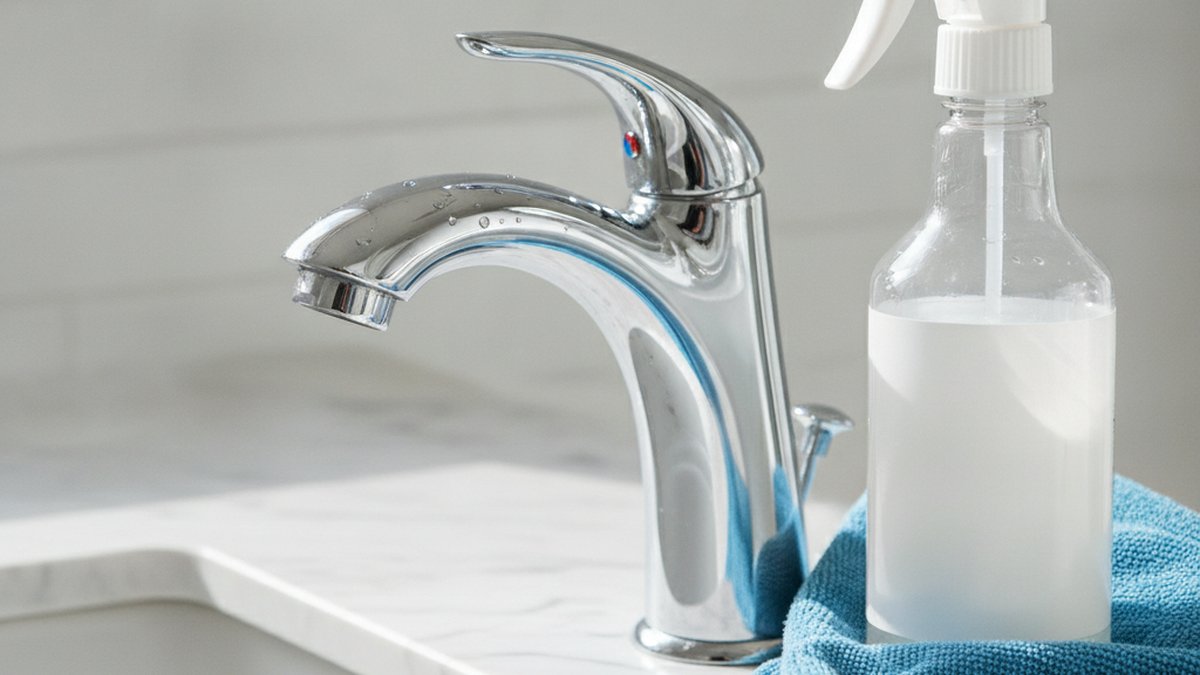
A quality plated polished nickel cover holds its finish for many years with normal use, as long as you clean it gently. The finish is an electroplated layer over a brass or zinc-alloy body; it resists tarnish well but can be scratched or etched by abrasive pads and harsh chemicals. Wipe with a soft damp cloth and mild soap; skip scouring powders, bleach, and acidic descalers, which can dull or pit the plating over time. Cheap covers with a thin painted or lacquered “nickel-look” coat can flake within a year or two — which is why the base material and plating quality matter more than the sticker price.
What should I look for when buying a polished nickel faucet hole cover?
Prioritize solid metal construction, a genuine electroplated finish (not painted), a quality rubber gasket, and a fit range that comfortably covers your hole size. Those four things separate a cover that lasts a decade from one that flakes and leaks in a season. Quick buying checklist:
- Body material: solid brass or heavy zinc alloy, not thin stamped tin.
- Finish: electroplated polished nickel, ideally with a stated finish warranty.
- Fit range: confirm it covers your measured hole (1.25″–1.75″ adjustable is most forgiving).
- Deck thickness: check the post length works with your countertop.
- Gasket: a real rubber or silicone washer, not just a foam ring.
- Certification: look for products from brands that test to recognized plumbing/finish standards.
At aleashafaucet, our polished nickel covers use solid-metal bodies with electroplated finishes tested for corrosion and adhesion, backed by a finish warranty — because a hole cover that flakes defeats the whole point. If you’re buying a matching faucet at the same time, timing it with a sale can save real money; here’s how to shop the best bathroom faucets on sale without overpaying, and you can often grab the coordinating cover in the same order.
FAQ
Can I use a polished nickel faucet hole cover on a granite or quartz countertop?
Yes. The cover clamps to the deck the same way it does on a sink, but on stone use silicone rather than plumber’s putty if you need extra sealing, since putty can stain porous stone. Confirm the cover’s threaded post is long enough for your stone’s thickness — thick slabs sometimes need an extended post.
Does a hole cover work for a leftover soap dispenser hole?
Yes — a soap dispenser hole is typically the same 1.25″ to 1.5″ size as a sprayer hole, so a standard adjustable polished nickel cover fits perfectly. Just measure to confirm, then cap it the same way.
Is polished nickel the same as brushed nickel for a hole cover?
No. Polished nickel is shiny and reflective with a warm glow; brushed nickel is muted and satin with visible fine grain. They read very differently, so match your cover to whichever your faucet actually is — don’t assume “nickel” means one thing.
Will a polished nickel cover match a stainless steel sink?
Generally yes. Stainless steel is a low-reflection finish, so a warm polished nickel cover blends in acceptably against most stainless sinks. If your sink has a very bright, mirror-polished stainless finish, hold the cover up to it in your kitchen light before committing.
How do I remove an old faucet hole cover to replace it?
Reach under the sink, loosen the wingnut or bolt that clamps the cover, and lift the cover out from the top. For expanding-collar models, loosen the top bolt until the rubber collar contracts, then pull it free. If it’s stuck with old silicone, slice around the base with a plastic putty knife first.
Can a polished nickel hole cover leak?
It shouldn’t, because it doesn’t carry pressurized water — it only blocks splash and debris. If water ever seeps under it, the gasket is either dirty, damaged, or the cover isn’t tightened flush; clean the deck, reseat it, and add a thin silicone ring if the surface is uneven.
Author note: This guide was written by the aleashafaucet product team, drawing on years of hands-on faucet and sink fixture installation, finish testing, and customer support across kitchen and bathroom projects. aleashafaucet designs and sells faucets and coordinating accessories, and our finishes are tested for corrosion and adhesion to recognized plumbing-industry standards and backed by our finish warranty. Always follow your specific product’s instructions and local plumbing codes.