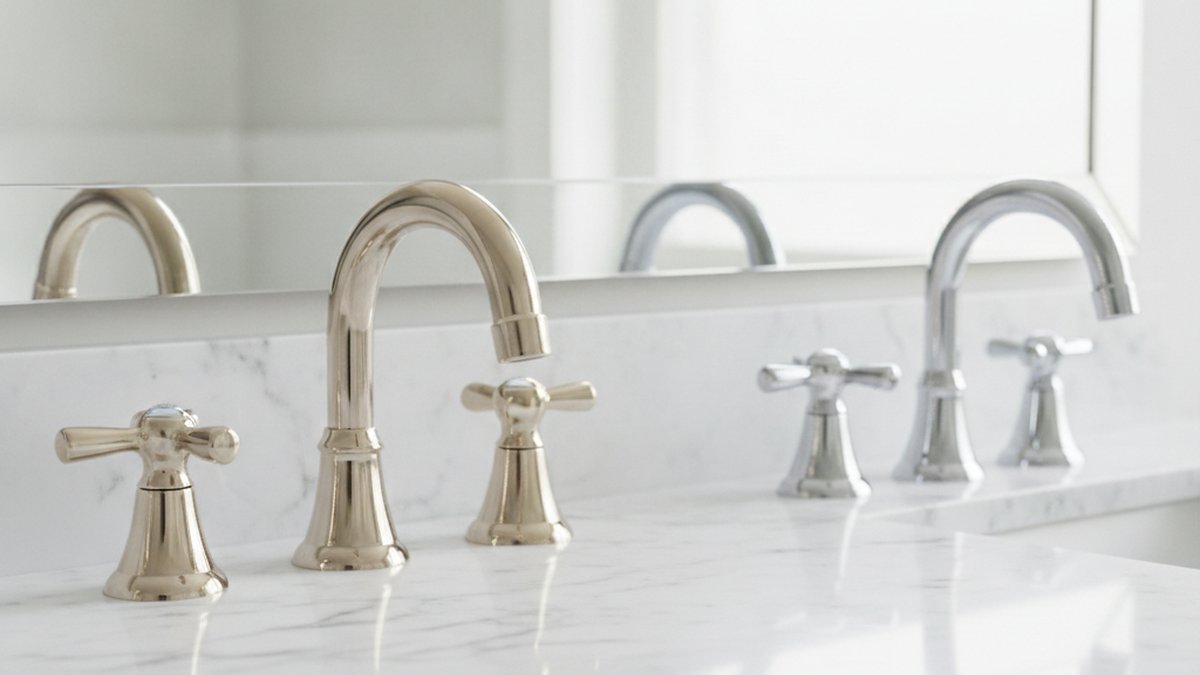
If you’ve been searching for a polished nickel faucet Moen makes and wondering whether the finish actually looks as good in real life as it does on a product page — the short answer is that it does, but only if polished nickel is the right finish for your room and water. Polished nickel is a bright, reflective finish with a subtle warm (slightly yellow-gold) undertone, which is exactly what separates it from the cooler, bluer sparkle of chrome. Moen offers it across several of its most popular bathroom and kitchen lines, and because Moen pairs it with a real warranty and a genuine plating process rather than a spray-on coating, it’s one of the safer ways to get that high-end nickel look without gambling on a no-name brand.
Below, I’ll walk you through what polished nickel really looks like, which Moen collections carry it, how it compares to chrome and brushed nickel, what it costs, how to keep it looking new, and whether it’s the right call for your bathroom or kitchen. I’ll answer this the way I’d explain it to a friend standing in the showroom aisle — no fluff, just the stuff that changes your decision.
What does a polished nickel Moen faucet actually look like next to chrome?
Polished nickel looks like chrome that spent a weekend in the sun — same mirror shine, but warmer and softer, with a faint champagne or pewter-gold cast instead of chrome’s cool blue-white glare. Put them side by side and chrome looks sharp and almost clinical, while polished nickel looks richer and a little more “jewelry-like.” That warmth is why designers reach for it in classic, traditional, and transitional bathrooms, and why it flatters warm-toned materials like brass hardware, honed marble, cream tile, and wood vanities.
Here’s the practical part most product pages skip: polished nickel is more forgiving of water spots and fingerprints than chrome. Because the finish has depth and a slightly warmer tone, mineral spotting from hard water is less visually jarring than it is on chrome’s stark mirror. It’s not invisible — you’ll still want to wipe it — but in a real bathroom with real people, it stays looking clean between wipe-downs a bit longer. If your home has hard water, that’s a meaningful day-to-day difference.
Which Moen collections come in polished nickel, and which should you buy?
Moen offers polished nickel most consistently in its design-forward and classic lines — think collections built around a two-handle widespread or single-handle high-arc silhouette rather than the budget builder-grade series. The finish tends to show up on Moen’s more premium bathroom and kitchen collections because polished nickel is a higher-cost plating, so you’ll see it paired with the models that already lean upscale.
Rather than chase a specific model number that may rotate year to year, shop by configuration first, then confirm the finish code. On Moen faucets, finish is baked into the model number suffix, and polished nickel typically carries a distinct code separate from chrome and brushed nickel — so double-check you’re ordering the polished (bright) version, not brushed. Here’s how the common Moen bathroom faucet configurations map to real bathrooms:
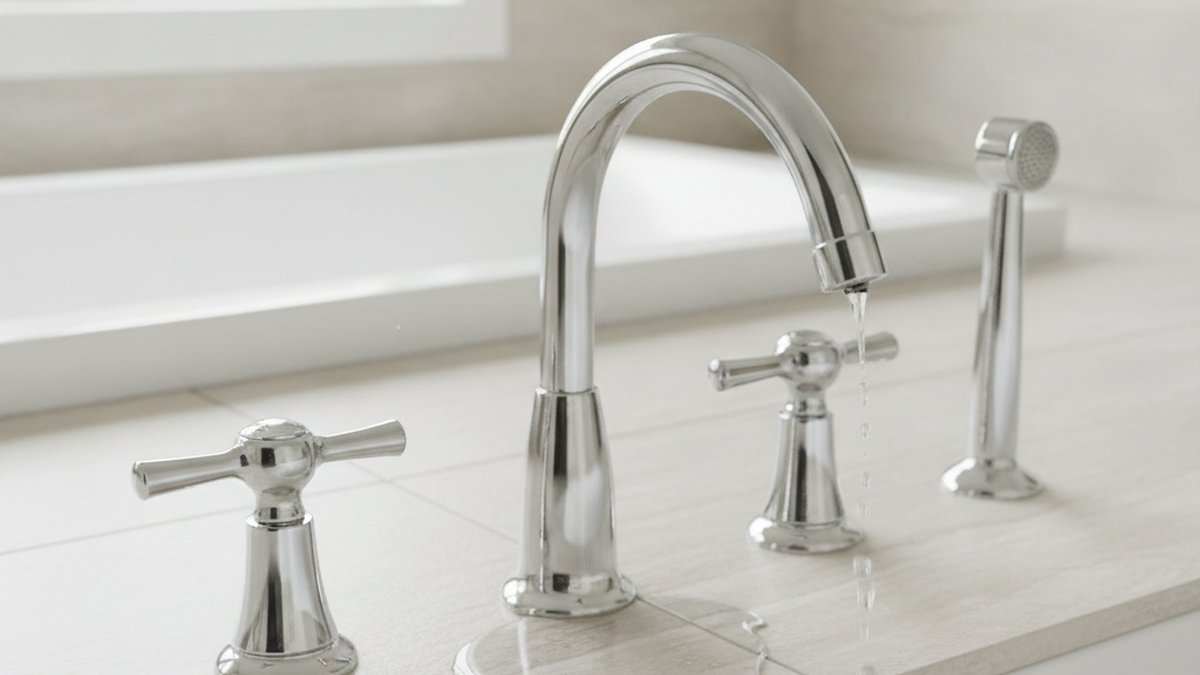
- Widespread (8-inch, three-hole): The classic upscale look. Two handles plus a separate spout, spread across your sink’s outer holes. Best for larger vanities and traditional or transitional baths where polished nickel really sings.
- Centerset (4-inch, three-hole): Handles and spout on one base plate. The workhorse for standard three-hole sinks. If this is your setup, our guide on what a centerset bath faucet is and whether it fits your sink will save you a return.
- Single-hole: One handle, one hole, minimal footprint. Ideal for small vanities and powder rooms — see the best one-hole bathroom faucet setup for a small vanity before you buy.
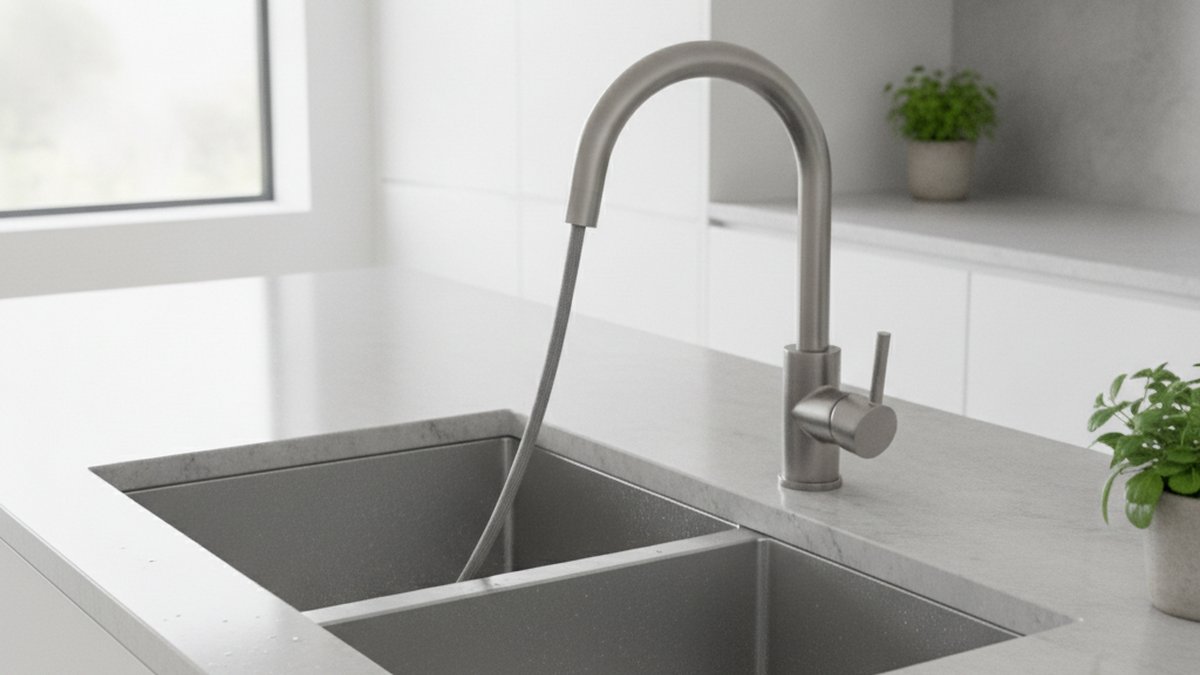
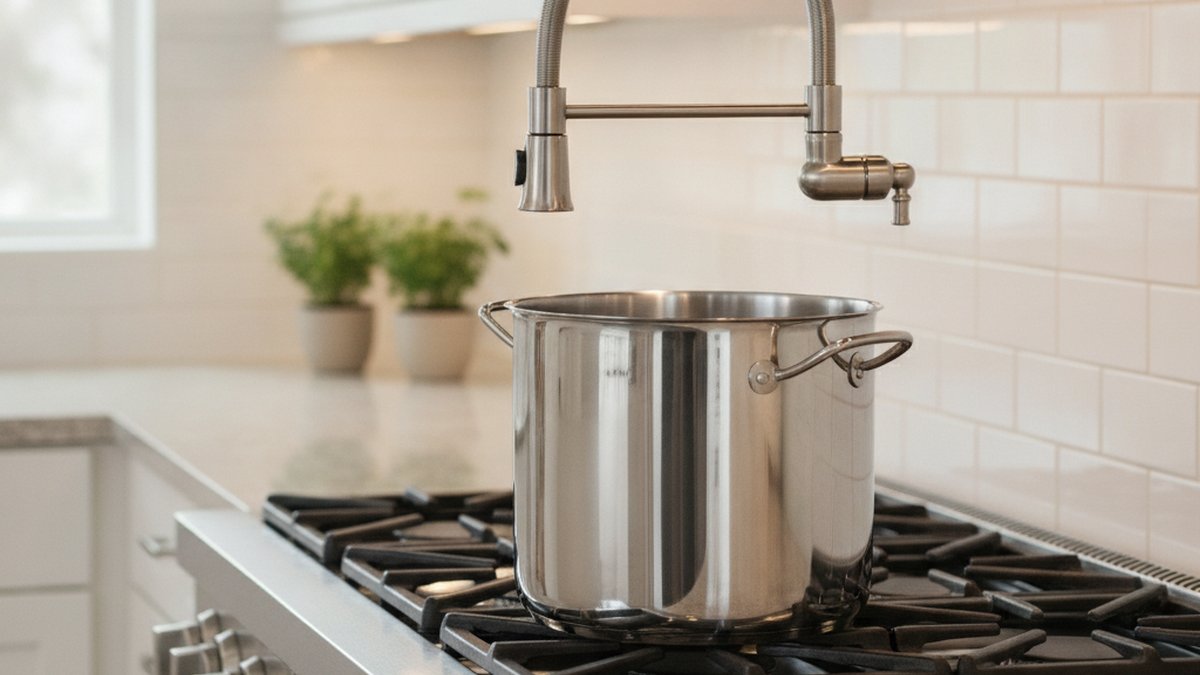
For a kitchen, the polished nickel Moen pull-down and pull-out faucets are the standouts, but be honest with yourself: a kitchen faucet gets touched with greasy, wet hands dozens of times a day, and polished nickel shows fingerprints more than brushed nickel. Many people love it on a bar or prep sink and choose brushed nickel for the hard-working main sink.
Polished nickel vs. brushed nickel vs. chrome: which finish should you actually pick?
Pick polished nickel if you want shine with warmth, brushed nickel if you want a matte low-maintenance finish that hides everything, and chrome if you want the cheapest bright finish and don’t mind a cooler tone. That’s the decision in one sentence — here’s the detail behind it.
| Finish | Look | Hides spots/fingerprints | Typical price vs. chrome | Best for |
|---|---|---|---|---|
| Polished nickel | Warm mirror shine, faint gold undertone | Moderate — better than chrome, worse than brushed | +$60 to +$180 more | Classic, transitional, warm-modern baths |
| Brushed nickel | Soft satin, warm gray, matte | Excellent — hides almost everything | +$20 to +$80 more | Busy family bathrooms, hard water |
| Chrome | Bright cool mirror, blue-white | Poor — shows every spot | Baseline (cheapest) | Budget builds, modern/contemporary, easy matching |
| Polished (spot-resist) nickel | Warm shine with anti-spot coating | Good | Varies | Shine lovers who hate cleaning |
The most common regret I hear isn’t about polished nickel itself — it’s people who wanted polished nickel and accidentally bought brushed, or vice versa, because the finishes have confusingly similar names. Read the finish code twice. Polished = shiny/reflective; brushed (also called satin) = matte. They do not match each other, and you can’t mix them in the same bathroom and expect it to look intentional.
How much does a polished nickel Moen faucet cost, and why is it more than chrome?
Expect to pay roughly $180 to $450 for a polished nickel Moen bathroom faucet and $300 to $650 for a polished nickel Moen kitchen faucet, which is typically $60 to $180 more than the identical model in chrome. The premium is real, and it’s not a markup gimmick — nickel plating is a more involved, more expensive process than standard chrome plating, and polished nickel requires extra buffing to reach that mirror finish. You’re paying for material and labor, not just marketing.
Is the upcharge worth it? For a bathroom you’ll look at every day for 10–15 years, spreading $100 over that lifespan is pennies a week for a finish you genuinely prefer. Where I’d think twice: a rental, a flip, or a bathroom you’re planning to fully redo soon. In those cases, chrome or brushed nickel gets you 90% of the durability for less money.
Does polished nickel tarnish or need special care?
Polished nickel can develop a faint patina over many years, but modern Moen polished nickel is a plated, sealed finish that resists tarnish far better than raw nickel — so for everyday purposes, it does not “tarnish” the way people fear. The one thing it needs is gentle, regular cleaning. Here’s the whole maintenance routine:
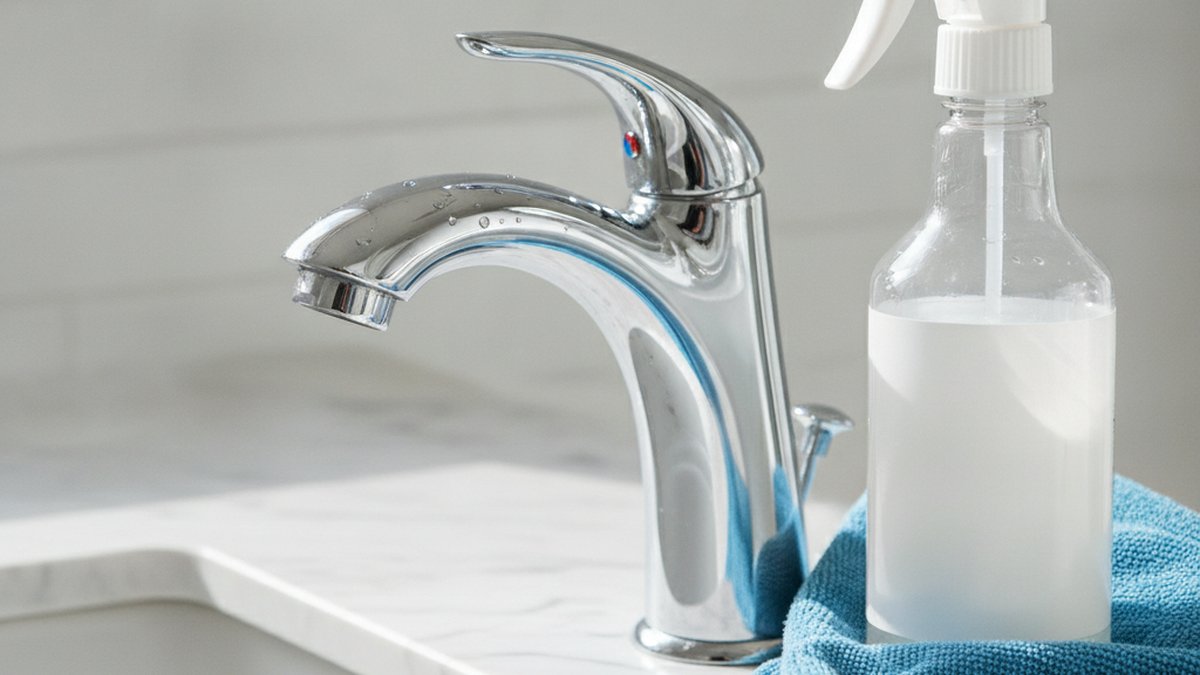
- Wipe with a soft, damp microfiber cloth after heavy use, then dry it. Drying is the single biggest thing that keeps any bright finish spot-free.
- For buildup, use mild dish soap and water — never abrasive pads, scouring powders, or anything gritty.
- Skip harsh chemicals: no bleach, no ammonia, no acidic descalers directly on the finish. These can dull or damage the plating and may void warranty coverage.
- For hard-water spots, a 50/50 white vinegar-and-water solution on a cloth (not a soak) removes minerals — rinse and dry right after.
That’s it. Treat it like you’d treat a nice watch, not a cast-iron pan, and polished nickel stays gorgeous for years.
Is Moen a good brand for a polished nickel faucet, or should you buy Delta or Kohler?
Moen is one of the safest choices for a polished nickel faucet because of two things most competitors can’t all match at once: a genuine Limited Lifetime warranty on finish and function for residential use, and a huge, easy-to-find parts and cartridge ecosystem. When you buy a finish that costs extra, you want confidence that the finish itself is warrantied — and Moen backs it.
That said, Delta and Kohler both make excellent polished nickel faucets too, and the “best” brand often comes down to which specific model fits your sink and style. If you’re torn between the two biggest names, our deep-dive on whether a Moen faucet is better than Delta breaks down cartridges, warranty, and real-world reliability so you can decide based on facts, not brand loyalty. The honest takeaway: for polished nickel specifically, both are great, and you should let the exact model, price, and finish match drive the choice.
One more brand tip: buy from an authorized seller. Warranty coverage on the finish generally requires proof of legitimate purchase, and finish problems (peeling, discoloration) are exactly the kind of thing you want covered. A gray-market faucet at a suspiciously low price often isn’t warranty-eligible.
Will a polished nickel faucet match my other bathroom fixtures?
Polished nickel matches best with other polished (bright) finishes and warm materials, and it clashes with matte or brushed metals — so match shine to shine. If your towel bars, shower trim, and cabinet hardware are polished nickel or polished chrome, a polished nickel faucet fits right in. If they’re brushed nickel or matte black, it will look mismatched.
You don’t have to match metals perfectly across the whole room — a deliberate two-metal look can be stunning — but it has to look intentional. A common winning combo is polished nickel faucets with warm brass or gold accents. If you’re weighing warm finishes generally, our piece on whether a gold shower faucet is worth it and how to pick the right one covers the same warm-tone logic that applies to nickel. And if you’re matching a spout or tub filler, remember that the sheen (polished vs. brushed) matters more than the exact metal name.
What are the downsides of a polished nickel Moen faucet?
The three real downsides are cost, cleaning, and matching — polished nickel costs more than chrome, shows water spots and fingerprints more than brushed nickel, and only pairs well with other bright finishes. None of these are dealbreakers, but you should know them going in.
- Cost: The finish premium is real. If budget is tight, brushed nickel is the value pick.
- Maintenance: If you hate wiping fixtures, and you have very hard water, brushed nickel or a spot-resist finish will frustrate you less.
- Matching: You may need to buy matching polished-nickel accessories, which adds to the total project cost.
- Availability: Polished nickel isn’t offered on every Moen model, so your exact favorite design might only come in chrome or brushed. Confirm before you fall in love with a model.
Weigh those against the payoff: a warmer, more expensive-looking finish that ages well and flatters classic and transitional design better than chrome ever will.
Author note & why you can trust this guide
This guide was written by the aleashafaucet product team — we’ve spent years fitting, testing, and troubleshooting faucets across every major finish and brand, and we handle enough customer returns and questions to know exactly where people get tripped up. aleashafaucet is a dedicated faucet and bathroom-fixtures retailer, not a general home store, so finish, fit, and reliability are all we think about. When we cite prices, spot-resistance, or warranty, it reflects real product specs and real customer feedback, and we always recommend confirming warranty terms and finish codes directly with the manufacturer, along with checking that trim meets the relevant plumbing standards (look for compliance with U.S. lead-free and finish-durability standards) before you buy.
FAQ
Does Moen make a true polished nickel faucet, or is it just a coating?
Moen makes genuine polished nickel faucets using a plated, sealed finish rather than a cheap spray-on coating, which is why they carry a finish warranty. Always confirm the finish code in the model number, since Moen also sells brushed nickel and chrome that can look similar in small online photos.
Is polished nickel harder to keep clean than chrome?
Polished nickel is actually a little more forgiving than chrome because its warmer tone makes water spots less obvious, but it still shows more spotting than brushed nickel. A quick wipe with a damp microfiber cloth and a dry-off after heavy use keeps it looking new — avoid abrasive or acidic cleaners.
How much more does polished nickel cost than chrome on a Moen faucet?
Typically $60 to $180 more than the same model in chrome, because nickel plating and the extra polishing step cost more to produce. For a fixture you’ll use for a decade-plus, most buyers find the warmer look worth the modest premium.
Will a polished nickel faucet match brushed nickel hardware?
Not well — polished (shiny) and brushed (matte) finishes read as different metals even though both are “nickel.” For a cohesive look, match your faucet’s sheen to your towel bars, shower trim, and cabinet hardware, or design a deliberate two-metal palette that clearly looks intentional.
Is a polished nickel Moen faucet worth it for a kitchen sink?
It’s worth it if you love the warm shine and don’t mind wiping fingerprints, since kitchen faucets get handled constantly with wet, greasy hands. Many buyers use polished nickel on a bar or prep faucet and choose brushed nickel on the hardest-working main sink for lower maintenance.
Does polished nickel tarnish over time?
Modern plated and sealed polished nickel resists tarnish and won’t corrode with normal use; it may develop a very subtle patina over many years, which some people actually like. Regular gentle cleaning and avoiding harsh chemicals keeps it bright, and Moen’s finish warranty covers legitimate finish defects.