If you’ve ever stood in a hardware aisle or scrolled a product page trying to figure out the right bathtub faucet name, you’re not alone — this is one of the most confusing corners of the whole plumbing world. The word “faucet” gets stretched to cover the spout, the handles, the valve behind the wall, and the whole assembly, so a search that should take 30 seconds turns into an hour. The good news: there are really only a handful of official categories, and once you know which one you own, ordering the right replacement or upgrade is simple.
This guide walks through exactly what each bathtub faucet type is called, how to identify yours in under a minute, what the parts behind it are named, and how to pick the right one for your tub and budget in 2026. We’ll keep the plumbing jargon in plain English so you actually walk away knowing what to type into the search bar.
What Are the Different Bathtub Faucet Names, and Which One Do I Actually Have?
There are five main bathtub faucet types, and each has a specific name: the tub spout, the single-handle tub-and-shower trim, the two- or three-handle tub-and-shower faucet, the Roman tub filler, and the freestanding tub faucet. You identify yours by asking two questions — where does it mount, and how many handles does it have?
Here’s the fast way to figure it out. Look at where the water comes out and where the controls are:
- Water pours from a spout on the wall, controls on the wall → you have a wall-mounted tub faucet (with a tub spout plus separate handle trim).
- Water rises from fittings mounted on the flat deck of the tub → you have a Roman tub filler.
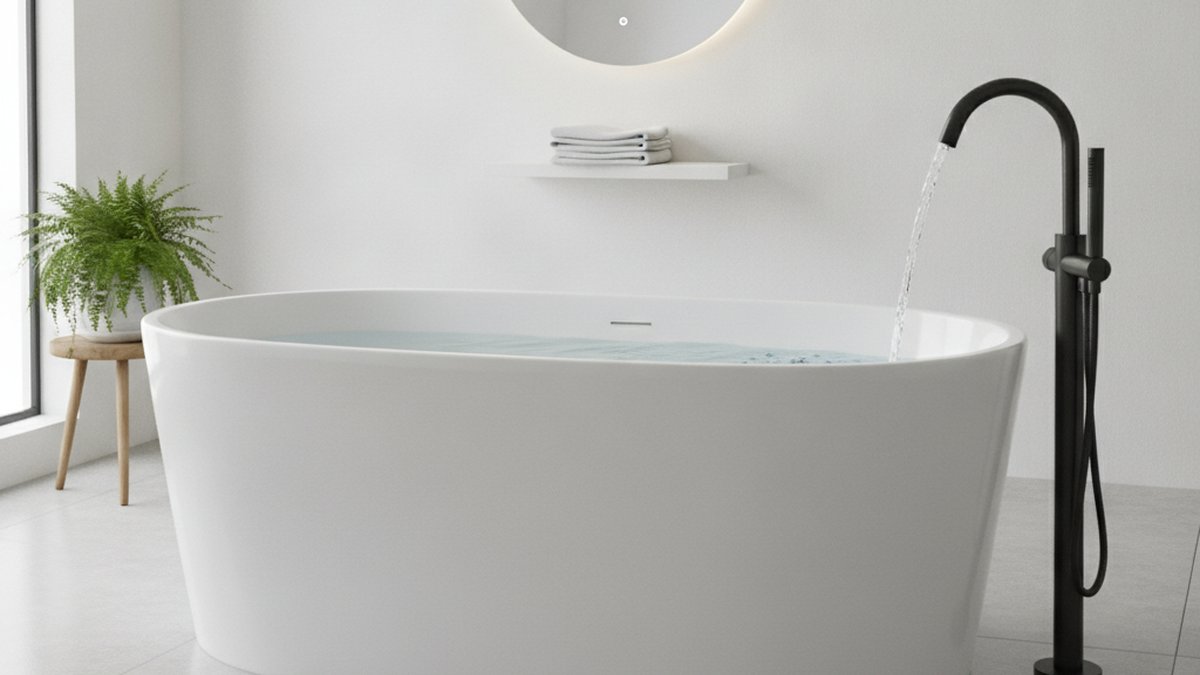
- A tall floor-standing pipe feeds a spout over a standalone tub → you have a freestanding (floor-mount) tub faucet.
- One lever controls everything → single-handle trim.
- Separate hot and cold handles (and maybe a middle diverter) → two- or three-handle faucet.
The reason the naming matters so much is that these aren’t interchangeable. A Roman tub filler will not fit a wall opening, and a single-handle trim kit won’t cover the three holes left by an old three-handle set. Getting the bathtub faucet name right is the difference between a part that drops in and a part that forces you to open a wall.
What is a “tub spout” versus a “tub faucet” — aren’t they the same thing?
No — the tub spout is just the metal pour spout that the bath water comes out of, while “tub faucet” usually refers to the whole assembly including the handles and the valve. This is the single most common naming mix-up we see. When someone says their “bathtub faucet is leaking,” nine times out of ten they mean either the spout is dripping or a handle won’t shut off, and those are two different parts with two different names.
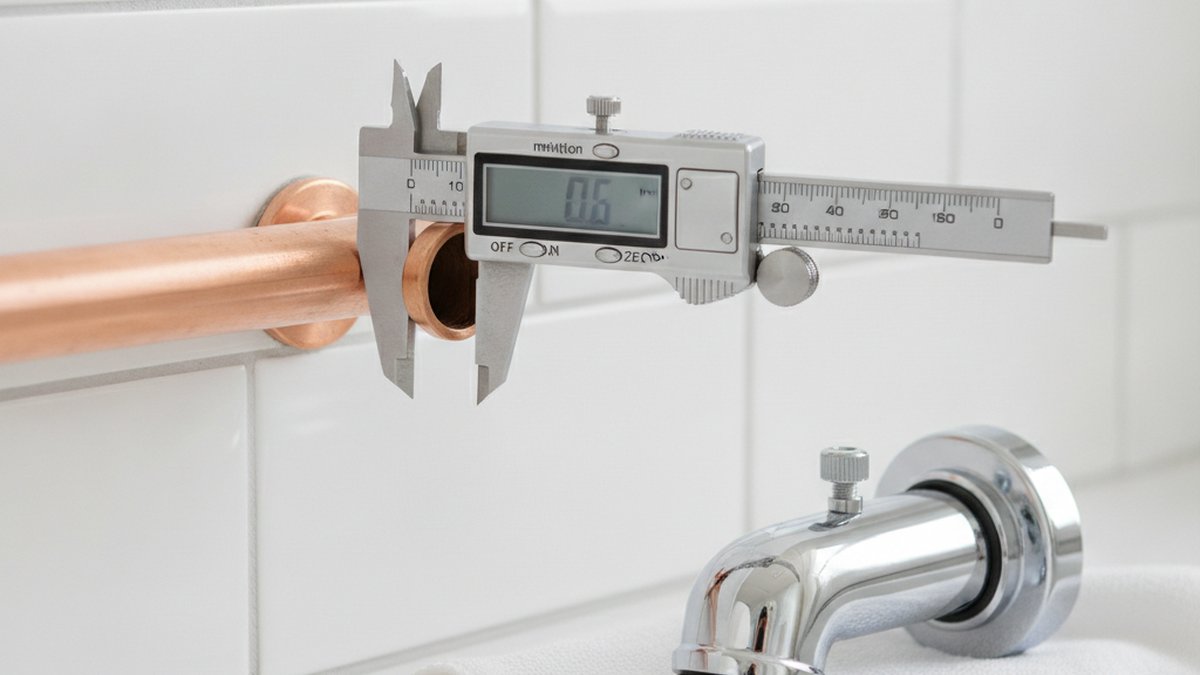
The spout itself comes in two sub-types you’ll need to name correctly when buying: a slip-fit spout (slides onto a ½-inch copper stub and locks with a small setscrew underneath) and a threaded spout (screws onto a threaded pipe nipple). Order the wrong one and it literally won’t attach. If you’re shopping for a spout on its own — say you want to switch to a matte finish — our guide to the best black tub spout and whether it’ll match your faucet walks through measuring and finish-matching in detail.
What Are the Parts of a Bathtub Faucet Called?
The core parts of a bathtub faucet each have a proper name: the spout (pours the water), the handle (controls flow and temperature), the trim plate or escutcheon (the decorative cover against the wall), the cartridge (the internal part that mixes and shuts off water), and the valve body (the brass fitting behind the wall that everything connects to). Knowing these names lets you order the exact piece that failed instead of replacing the whole unit.
Here’s what each does and why the name matters when you shop:
- Escutcheon (trim plate): the round or square plate behind the handle. Purely cosmetic and easy to swap, but the size must match the wall hole.
- Cartridge: the workhorse. Most drips and temperature problems come from a worn cartridge, not the whole faucet. Each brand uses a specific cartridge model number.
- Diverter: the little pull-tab on the spout or a separate handle that redirects water up to the showerhead.
- Valve body / rough-in valve: the part buried in the wall. You rarely replace this; you replace the “trim” that bolts onto it.
- Aerator or spout tip: where the water actually exits, sometimes with a flow-shaping insert.
This trim-versus-valve distinction is the most important concept in the whole category. Manufacturers sell a rough-in valve (installed once, hidden in the wall) and a separate trim kit (the handle, spout, and plate you see). If your finish is dated but the plumbing works, you often only buy new trim. If a handle won’t shut the water off, you’re usually replacing the cartridge inside — and if that fails, learning how to replace a bathtub faucet valve yourself can save a plumber’s call-out fee.
Which Bathtub Faucet Type Should I Buy for My Setup?
Buy the type that matches how your tub is built: choose a wall-mount tub-and-shower trim for a standard alcove tub with a shower, a Roman tub filler for a drop-in or undermount tub with a wide deck, and a freestanding faucet for a standalone soaking tub. Your tub’s construction decides the faucet name — not the other way around.
Use this comparison to name and price your options:
| Bathtub Faucet Name | Where It Mounts | Best For | Has Shower? | Typical 2026 Price |
|---|---|---|---|---|
| Wall-mount tub & shower trim | On the wall above the tub | Standard alcove tub + shower | Yes (with diverter) | $60–$250 |
| Single-handle tub spout + trim | Wall, one lever | Simple modern bath, easy temp control | Optional | $50–$200 |
| Two/three-handle faucet | Wall, separate hot/cold | Traditional or older homes | Yes (center diverter) | $70–$220 |
| Roman tub filler | On the tub deck | Drop-in / undermount tubs | No | $120–$500+ |
| Freestanding floor faucet | Floor, tall riser | Standalone soaking tubs | Usually handheld | $200–$700+ |
A quick reality check on budget: for most alcove bathtubs, a quality single-handle wall trim in the $90–$160 range from a brand that publishes cartridge part numbers is the sweet spot — solid brass valve, ceramic-disc cartridge, and a finish that won’t flake. You don’t need to spend $400 unless you’re outfitting a freestanding tub where the faucet is a design centerpiece.
What is a Roman tub faucet, and how is it different from a regular tub faucet?
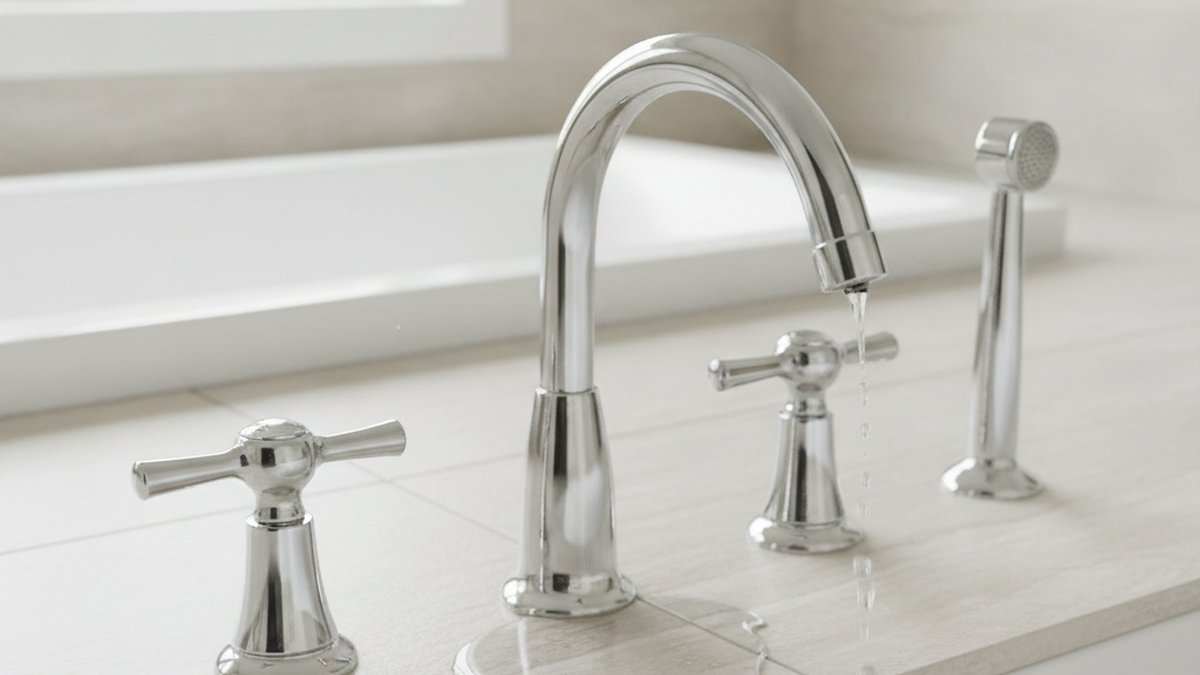
A Roman tub faucet (also called a deck-mount tub filler) mounts on the flat rim of the tub rather than the wall, and it’s built for high flow — often 15–20+ GPM — so a deep soaking tub fills quickly. It’s a completely different name and category from a wall faucet, with wider-spaced holes and no in-wall valve. If you have a drop-in tub with a broad deck, this is almost certainly what you need. Not sure where to source one locally or how to match the hole spacing? Our piece on finding a Roman tub faucet nearby and choosing the right one covers measuring center-to-center spread before you buy.
How Many Handles Should a Bathtub Faucet Have — One, Two, or Three?
Choose a single-handle faucet if you want the simplest modern look and one-lever temperature control; choose two or three handles if you’re matching an older home or replacing an existing multi-handle set without opening the wall. The handle count is baked into the valve behind your wall, so it’s the one spec you can’t change without real plumbing work.
Here’s the practical breakdown:
- Single-handle: One lever moves left-right for temperature, up-down for flow. Cleanest look, easiest to use with wet or soapy hands, and the most common new install in 2026.
- Two-handle: Separate hot and cold. Common in mid-century and traditional baths; lets you fine-tune each side.
- Three-handle: Hot, cold, and a center diverter that sends water up to the shower. Almost always found in older tub-shower combos.
The catch: swapping from three handles to one means changing the in-wall valve, patching the extra holes, and likely opening the wall behind the tub. If you love a clean single-handle look but have a three-hole wall, budget for that extra labor or use a cover plate designed to hide the outer holes. When your faucet type is deck-mounted instead, a centerset bath faucet combines the spout and handles on a single base — handy to know the name for when the layout applies to a smaller tub-deck or lav setup.
Does the Finish Change the Bathtub Faucet Name, and How Do I Match It?
No — the finish (chrome, brushed nickel, matte black, brushed gold, oil-rubbed bronze) doesn’t change the faucet’s type name, but it does change the model number you order, and it must match the other metal in your bath for a coordinated look. Finish is a modifier, not a category: you’d order a “single-handle tub trim in matte black,” where “single-handle tub trim” is the name and “matte black” is the spec.
A few finish rules that save regret:
- Match the family, not the exact shade across brands. One maker’s “brushed gold” and another’s “champagne bronze” can read differently under bathroom lighting.
- PVD finishes resist scratching and tarnish far better than plated ones — worth asking about if you’re in a hard-water area.
- Chrome and brushed nickel are the most forgiving for hiding water spots and are the easiest to find matching accessories for.
- Matte black hides fingerprints but shows hard-water minerals — plan to wipe it down.
If you’re chasing a warmer, high-end look, it’s worth reading how a gold-tone fixture holds up in real use before committing your whole bathroom to it — our breakdown of whether a gold shower faucet is worth it and how to pick one applies the same finish logic to tub-and-shower fixtures.
How Do I Find the Exact Replacement by Its Name and Model?
To find the exact replacement, identify the brand and type first, then locate the model or cartridge number stamped on the trim, printed inside the escutcheon, or listed on the original paperwork — that combination gives you the precise part name to order. Never buy on looks alone; two spouts that appear identical can use different cartridges.
Follow these steps in order:
- Name the type using the mounting-and-handle test above (wall, deck, or floor; one, two, or three handles).
- Find the brand. Check the base of the spout, the handle, or the underside of the trim for a logo.
- Locate the model or series number. It’s often on a sticker inside the wall plate or in the install manual.
- Pull the cartridge for drips. If the issue is a leak, the cartridge model on the part itself is what you match — a dripping tub valve is usually a $15–$40 cartridge, not a whole new faucet.
- Confirm the connection type (slip-fit vs. threaded spout; center-to-center spread for deck fillers) before checkout.
If your spout or valve is behind the wall and you’re worried about tearing into tile, there are cleaner ways in than most people expect. Our walkthrough on a wall-mount faucet spout replacement without tearing open the wall shows how to work through the existing access when the plumbing is sound.
Who We Are and Why You Can Trust This Guide
Author note: This guide was written by the aleashafaucet product team, drawing on years of fielding real customer questions about which bathtub faucet name matches which tub — the same questions our support line hears every week. We build and sell tub spouts, tub-and-shower trims, Roman fillers, and the cartridges inside them, so the naming here reflects how these parts are actually cataloged and ordered, not just textbook terms.
Standards and warranty: Reputable tub faucets are built to recognized North American plumbing standards (such as ASME A112.18.1 / CSA B125.1 for fixture fittings) and lead-content rules like NSF/ANSI 372. At aleashafaucet, our tub fixtures use solid-brass valve bodies and ceramic-disc cartridges, are pressure- and cycle-tested before shipping, and are backed by a limited lifetime warranty on the finish and function. When you’re comparing brands, always confirm the fixture is certified to those standards and ask what the warranty actually covers — finish, cartridge, or both.
FAQ
What is the spout on a bathtub called?
The spout on a bathtub is simply called a tub spout — it’s the metal fixture the bath water pours from. If it has a small pull-up tab on top, that’s a diverter tub spout, which sends water up to the showerhead. Tub spouts come in slip-fit and threaded versions, so measure how yours attaches before buying a replacement.
What do you call the whole bathtub faucet assembly?
The complete assembly is called a tub faucet or tub-and-shower trim when it includes a shower. It’s made up of the spout, the handle(s), the escutcheon (trim plate), the cartridge, and the in-wall valve body. Manufacturers usually split it into a “rough-in valve” hidden in the wall and a “trim kit” you see and can swap for a new finish.
Is a bathtub faucet the same as a shower faucet?
Not exactly, though they overlap. A tub-and-shower faucet includes a spout, a showerhead, and a diverter to switch between them, while a shower-only faucet has no tub spout. If your fixture fills the tub and feeds the shower from the same controls, it’s a tub-and-shower valve — the most common setup in alcove bathrooms.
How do I know if I need a new valve or just new trim?
If the faucet works fine but looks dated, you usually only need new trim (handle, spout, and plate) that fits your existing valve. If a handle won’t shut off the water, drips constantly, or mixes temperature poorly, you likely need a new cartridge first, and only rarely the full valve body. Replacing trim or a cartridge is far cheaper and easier than swapping the in-wall valve.
Can I replace a two-handle tub faucet with a single-handle one?
You can, but it’s not a simple swap — the handle count is determined by the valve behind the wall, so going from two or three handles to one means changing the in-wall valve and patching the extra holes. That typically requires opening the wall behind the tub. If you want the clean single-handle look without major work, some cover plates are designed to hide unused holes, but confirm the fit before buying.
What’s the difference between a Roman tub filler and a deck-mount faucet?
They’re the same thing — “Roman tub filler” and “deck-mount tub faucet” both describe a faucet that mounts on the flat rim of the tub rather than the wall. It’s built for high flow to fill deep soaking tubs quickly and has no in-wall shower valve. When ordering one, the key spec is the center-to-center hole spacing on your tub deck.