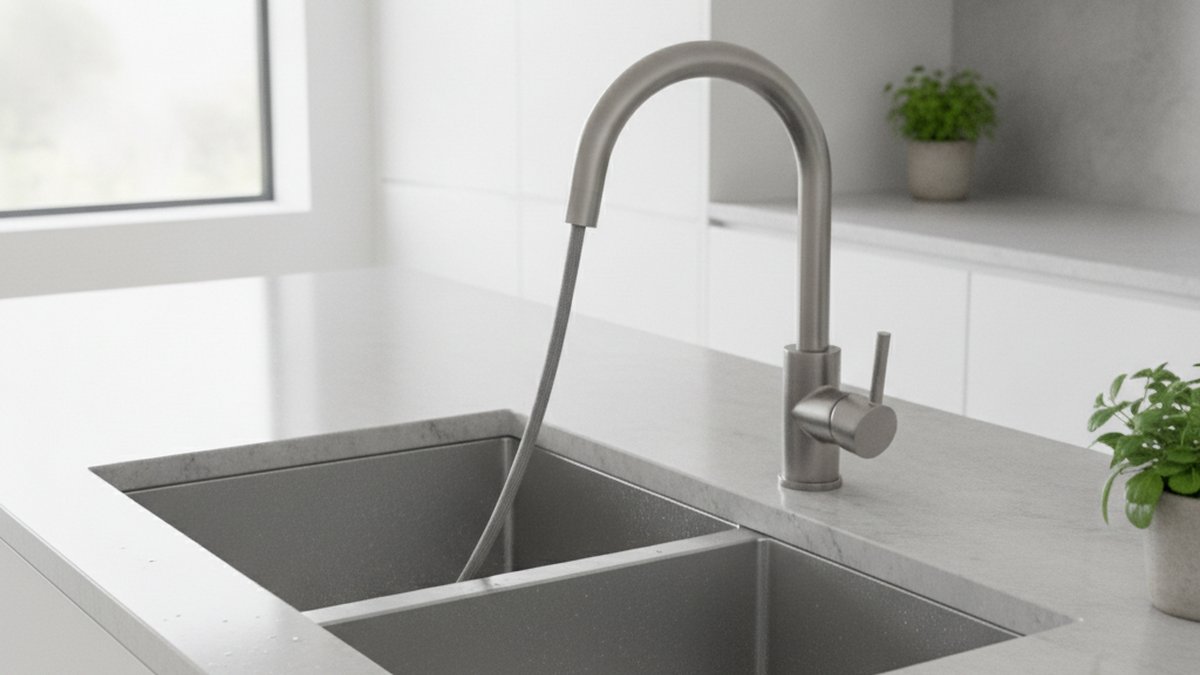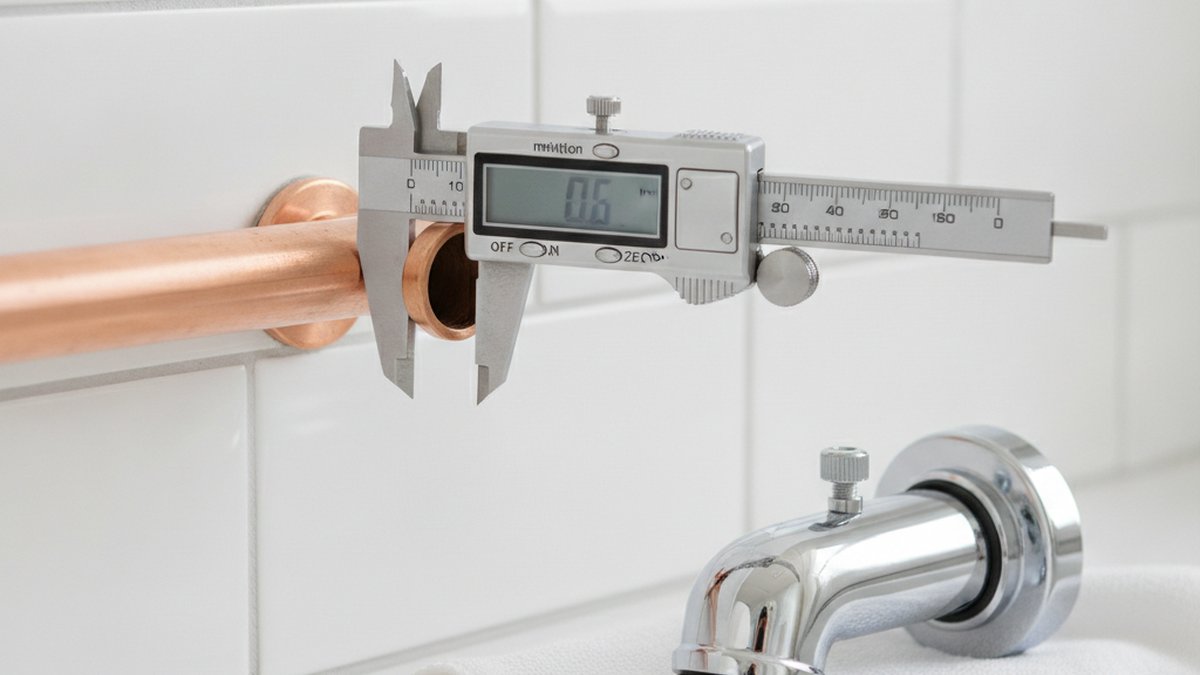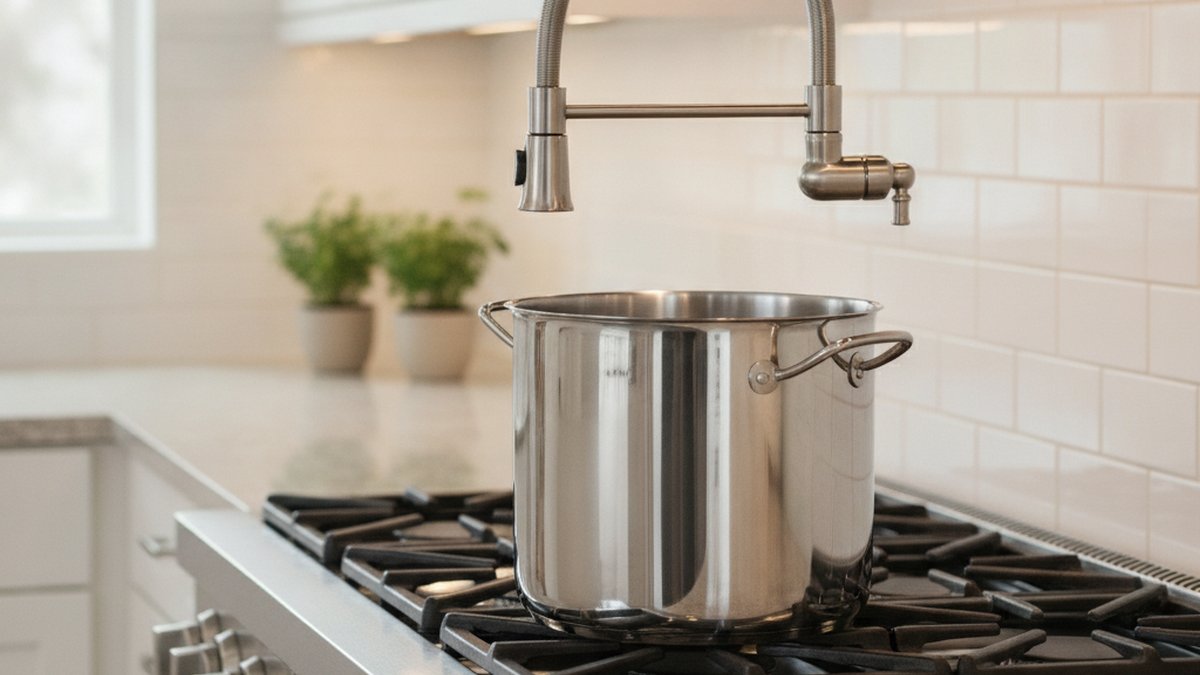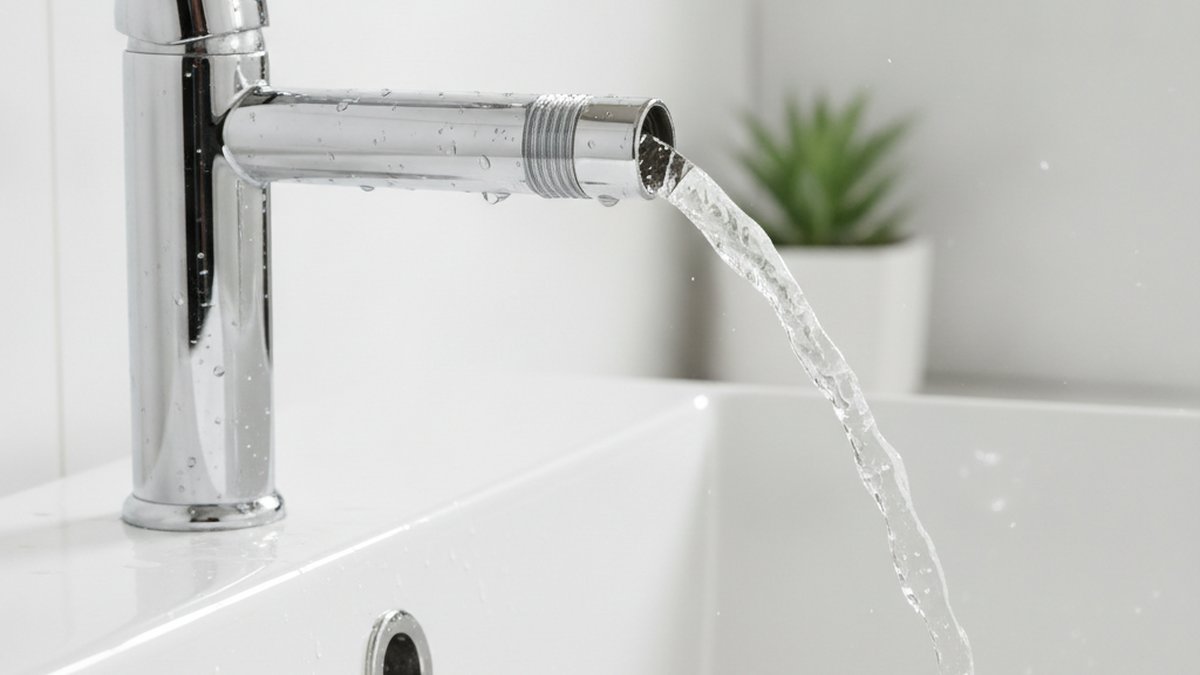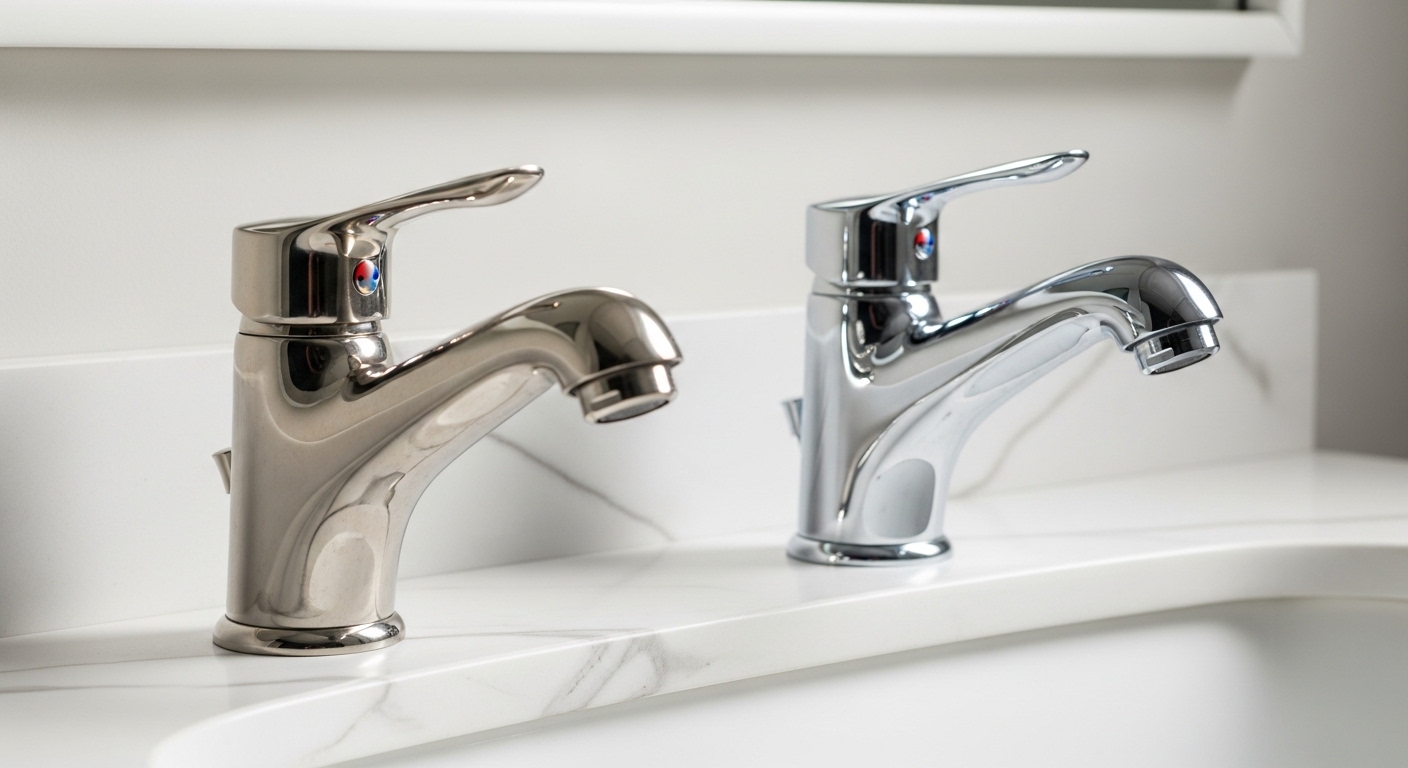
If you’ve been comparing finishes and landed on a polished nickel california faucet, you’re in good company — polished nickel is one of the fastest-growing bathroom finishes because it reads as luxurious and timeless without the icy glare of chrome or the maintenance drama of unlacquered brass. “California faucet” style refers to the clean, high-craft, spa-inspired look popularized by West Coast luxury fixture design: solid-brass construction, refined lever or cross handles, and finishes applied to strict standards. Below, we’ll break down exactly what you’re paying for, how polished nickel compares to chrome and brushed nickel, how to spot a real one, and which configuration fits your sink.
What exactly is a “polished nickel California faucet,” and how is it different from chrome?
A polished nickel California faucet is a solid-brass faucet plated in real nickel and buffed to a bright, mirror-like shine, built in the high-craft “California” luxury style — think heavier bodies, precise machining, and warmer tones than chrome. The key difference from chrome is color temperature: polished nickel carries a subtle warm, slightly golden-gray cast, while chrome is a cool, blue-white mirror. Put them side by side and chrome looks almost blue; polished nickel looks like soft, expensive silver.
That warmth is why designers reach for polished nickel in traditional, transitional, and “modern classic” bathrooms — it flatters warm wood vanities, marble with beige veining, brass hardware, and creamy paint colors far better than chrome does. It also, importantly, disguises water spots and fingerprints better than chrome because the warmer tone doesn’t spotlight mineral residue the way a cold mirror surface does.
The “California” descriptor is doing two jobs. First, it signals a design language — West Coast luxury brands built their reputation on made-to-order finishes and solid-brass everything. Second, in the U.S. market, “California” is shorthand for compliance: California has the country’s strictest plumbing rules, so a faucet marketed this way is usually AB 1953 lead-free and meets California’s maximum flow-rate law of 1.2 gallons per minute (GPM) for lavatory faucets — stricter than the federal 2.2 GPM ceiling.
Polished nickel vs. brushed nickel vs. chrome: which finish should you actually buy?
Buy polished nickel if you want warmth plus shine, brushed nickel if you want warmth plus maximum spot-hiding and a matte look, and chrome if you want the lowest price and a cool, ultra-durable mirror. All three are nickel-family finishes, so they coordinate reasonably well together in the same room — but they are not interchangeable in look or in price.
Here’s the honest breakdown of how the three compare on the things that actually matter when you’re spending real money:
| Factor | Polished Nickel | Brushed Nickel | Polished Chrome |
|---|---|---|---|
| Look | Warm, bright mirror silver | Warm, matte satin silver | Cool, blue-white mirror |
| Hides water spots | Moderate | Excellent | Poor |
| Hides fingerprints | Moderate | Excellent | Poor |
| Scratch resistance | Good | Very good | Excellent |
| Typical price (single-hole) | $180–$650 | $120–$400 | $80–$300 |
| Best design fit | Traditional, transitional, modern classic | Casual, contemporary, family baths | Contemporary, budget, commercial |
| Coordinates with warm woods & brass | Very well | Well | Poorly |
The practical takeaway: polished nickel is the “dress-up” finish. It costs more because real nickel plating is a multi-layer process and the buffing to a mirror shine is labor-intensive, but it delivers a distinctly richer look. If your bathroom leans warm and classic, it’s worth the premium. If you have three kids and hate cleaning, brushed nickel gives you 90% of the warmth with far less spot-wiping. Chrome only wins on pure budget or a strictly cool, modern palette.
One more note for renovators mixing finishes: polished nickel pairs beautifully with warm metals. If you’re leaning toward a warmer scheme overall, it’s worth reading how brushed gold traditional taps hold up over time before you commit to a two-tone bathroom, since nickel and gold together is a very “California luxury” move — but only if both finishes are quality-plated so they age at the same rate.
How much should a polished nickel California faucet cost, and what are you paying for?
Expect to pay $180–$350 for a solid single-hole polished nickel lavatory faucet, $300–$650 for a widespread three-hole set, and $600–$1,500+ for a matching wall-mount or tub-filler in the same finish. If you see a “polished nickel” faucet under $80, be skeptical — that’s almost always a thin electroplate over zinc alloy (zamak), not real nickel over brass, and the finish will flake within a couple of years.
What justifies the higher price on a genuine article:
- Solid-brass body: Brass resists corrosion and holds plating far better than zinc alloy. Lift the faucet — a real one is noticeably heavy.
- Multi-layer nickel plating: Quality polished nickel is copper strike + nickel + a bright nickel top layer, hand-buffed. That’s what gives the deep, warm mirror.
- Ceramic-disc cartridge: The valve rated to 500,000+ open/close cycles. Cheaper faucets use rubber-seal or lower-grade cartridges that drip within a year.
- Lead-free certification: NSF/ANSI 61 and 372 compliance, meaning ≤0.25% lead on wetted surfaces (the AB 1953 / federal standard).
- Lifetime finish + function warranty: Premium brands warrant the polished nickel finish against tarnish and the cartridge against drips for the life of the original owner.
Where people overpay: paying luxury-brand pricing for a faucet that’s actually zinc-bodied with a “nickel-look” finish, or paying for a designer nameplate when a mid-tier solid-brass model offers the same specs. Where people underpay and regret it: buying a $60 “polished nickel” faucet online, only to watch the finish cloud and peel. If you want to time a purchase, watch seasonal promotions — our roundup of the best bathroom faucets on sale right now explains how to tell a real discount on a quality fixture from a permanently “marked-down” cheap one.
Does polished nickel tarnish, and how hard is it to keep clean?
Polished nickel does not rust and won’t dramatically tarnish like unlacquered brass, but it can develop a slightly softer, warmer patina over many years and it does show water spots more than a matte finish. Day to day, it’s easy to maintain — you just have to wipe it down more often than brushed nickel if you’re the type who wants a flawless shine.
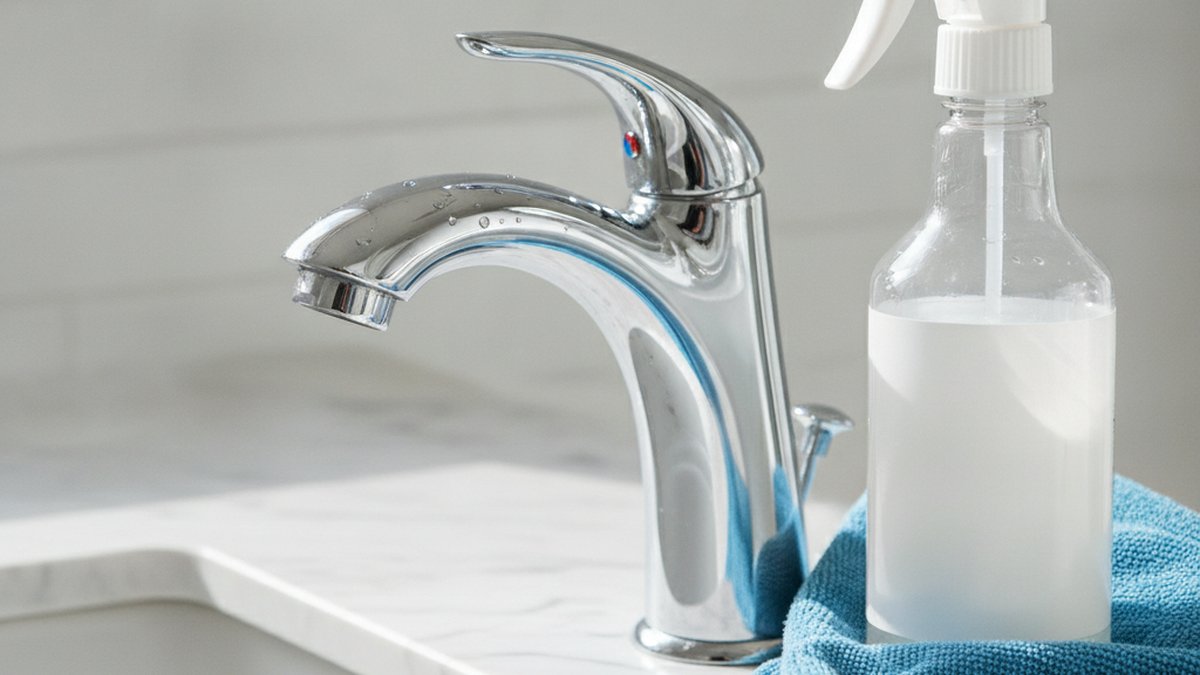
Care is simple and non-negotiable if you want the finish to last: wipe with a soft, damp microfiber cloth and dry it. That’s it. The finish killers are abrasive pads, scouring powders, and — this is the big one — acidic or bleach-based cleaners. Vinegar, CLR, “bathroom” sprays with acids, and anything with ammonia will dull or etch plated nickel over time. If you have hard water and hate spotting, a quick daily dry-wipe after the last use does more than any product.
Compared to unlacquered brass, which is designed to change color and develop a living patina, polished nickel is a “set it and forget it” finish that mostly stays looking the way you bought it. If you actually want a finish that evolves and ages with character, that’s a different decision — our guide to the best unlacquered brass bathroom faucet walks through who should choose a living finish versus a stable one like polished nickel.
Single-hole, widespread, or wall-mount: which polished nickel configuration fits your sink?
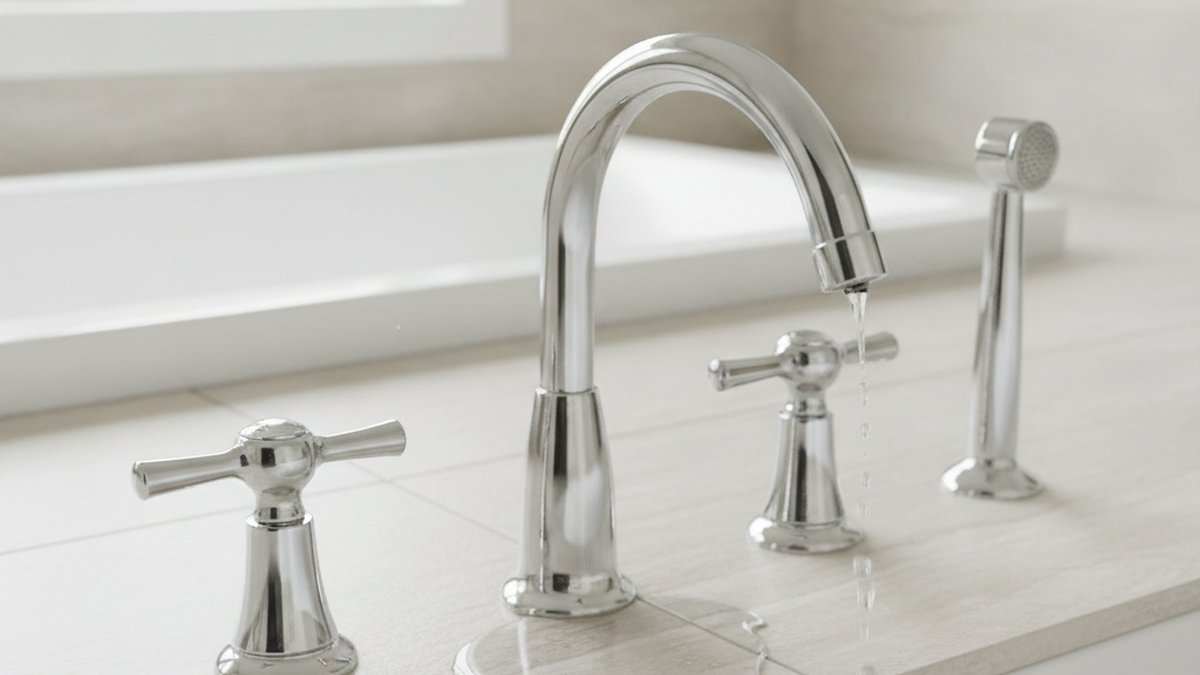
Match the faucet to the number of holes pre-drilled in your sink or vanity: a single-hole faucet needs one hole, a centerset needs three holes 4 inches apart, a widespread needs three holes 8–16 inches apart, and a wall-mount needs no deck holes at all but requires in-wall plumbing. Getting this wrong is the single most common polished nickel purchase mistake.
Here’s how to choose quickly:
- Count your holes first. Look under the sink or at the deck. One hole, three close-together holes, or three spread-apart holes each point to a different faucet type.
- Single-hole: Best for smaller vanities, powder rooms, and clean modern-classic looks. Easiest to install and to keep clean (fewer seams to wipe).
- Widespread (8″): The classic “California luxury” look — separate spout and two handles. Feels the most upscale and gives you that symmetrical, hotel-bathroom presentation. Needs more deck space.
- Centerset (4″): A single unit covering three holes; good for standard builder sinks where you want a traditional two-handle look without the widespread footprint.
- Wall-mount: Dramatic and space-saving over vessel sinks, but you must confirm the rough-in valve and spout reach before you buy. It’s a plumbing commitment, not a swap.
If a vessel sink is in your plans, a wall-mount polished nickel spout can look stunning — but there are real height and reach pitfalls. Before you commit, read whether a wall mount faucet over a vessel sink is right for your setup, because the spout has to clear the bowl rim and land water in the drain, not the back wall.
If you’re covering an unused hole after switching from a three-hole to a single-hole faucet, you’ll need a matching escutcheon or hole cover in the same finish — here’s how to decide whether you actually need a polished nickel faucet hole cover so your finishes match perfectly and you don’t leave a gap.
How do you tell a real polished nickel faucet from a cheap “nickel-look” fake?
The fastest tells are weight, price, and the spec sheet: a genuine polished nickel faucet is heavy (solid brass), rarely costs under $150, and its listing will explicitly state “solid brass construction,” “polished nickel” (not “nickel finish” or “polished chrome nickel-look”), and cite NSF/ANSI lead-free certification. Vague listings that dodge these words are usually zinc-alloy fakes.
Run through this quick authenticity check before you buy:
- Pick it up (or read the shipping weight). A real single-hole brass faucet weighs roughly 3–5 lbs. A 1.5-lb “faucet” is zinc.
- Read the exact finish words. “Polished nickel” is a specific plating. “Nickel-colored,” “satin nickel look,” or “PVD nickel-tone” can mean coated chrome or a printed coating.
- Look for the cartridge spec. Ceramic-disc, ideally cited with a cycle rating. No cartridge info is a red flag.
- Check certifications. NSF/ANSI 61 & 372 for lead-free, and cUPC/UPC for plumbing code. California-compliant models list AB 1953 and 1.2 GPM.
- Read the warranty. Lifetime finish-and-function warranties are only offered by makers confident in real plating over brass.
Is a polished nickel faucet a good choice for a bathtub or shower, not just the sink?
Yes — polished nickel is an excellent tub and shower finish because it resists corrosion in wet, steamy environments and coordinates a whole bathroom when your sink faucet, tub filler, and shower trim all match. The main thing to verify is that every piece comes from the same finish line so the polished nickel tone is identical across parts (finish tones can vary slightly between manufacturers).
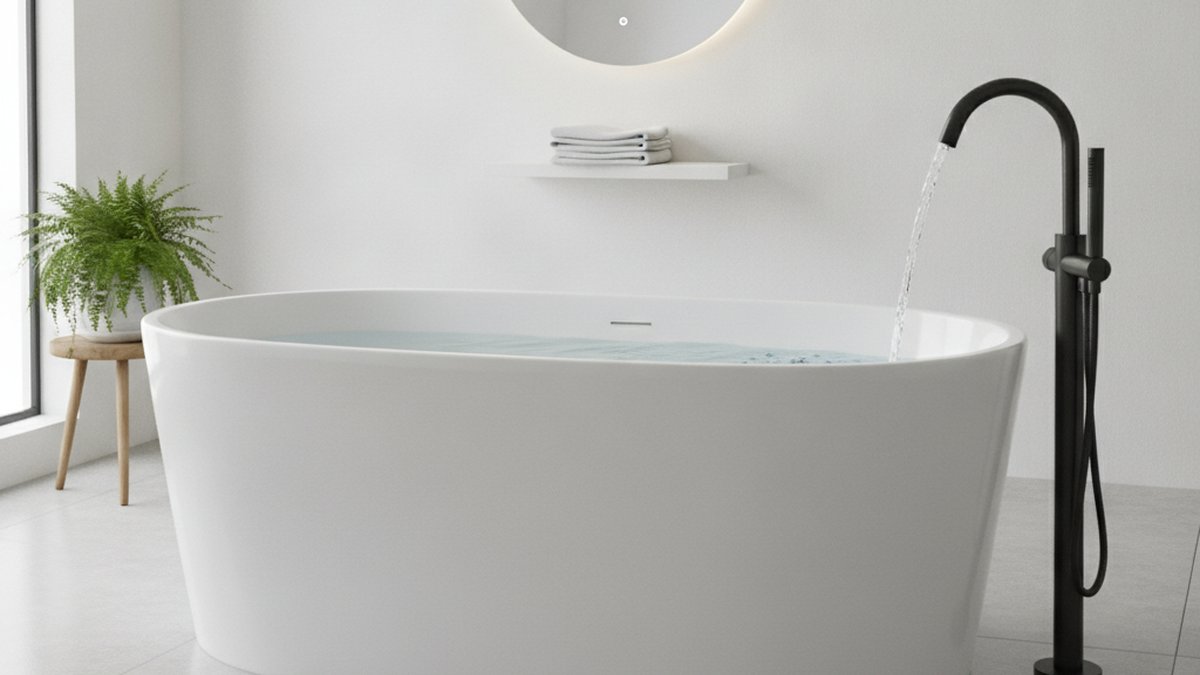
For a freestanding tub, a floor-mount polished nickel tub filler in the California style is a genuine showpiece. For a shower, look for pressure-balancing or thermostatic valves rated to the same standards as the trim. The finish requirements are the same as a lavatory faucet: solid brass, quality valve, lifetime finish warranty. If you’re building a coordinated bathroom around a tub, our guide to what makes a quality bathtub faucet covers the valve types and specs that matter most so your polished nickel tub filler performs as well as it looks.
Deciding between big-name brands for a matching suite? The finish, warranty, and valve quality differences are real — our head-to-head on Kohler vs. Grohe bathroom faucets is a useful reference for how premium manufacturers handle plated finishes and cartridges, which applies directly to choosing a polished nickel suite.
FAQ
Is polished nickel the same as the “California faucet” brand?
Not necessarily. “Polished nickel” is a finish, while “California faucet” usually refers either to a specific West Coast luxury faucet style (solid brass, made-to-order finishes) or to California plumbing compliance (lead-free AB 1953, 1.2 GPM flow). A “polished nickel California faucet” combines the warm mirror finish with that high-craft, code-compliant build. Always check the actual spec sheet rather than assuming the name guarantees quality.
Does polished nickel show water spots and fingerprints?
Yes, more than a brushed finish but less than chrome. Because polished nickel is a warm mirror, mineral spots and prints are visible but not spotlighted the way they are on cold chrome. A daily dry-wipe with a microfiber cloth keeps it looking flawless. If you have very hard water and want the least maintenance, brushed nickel hides spots better.
Will a polished nickel faucet look dated in a few years?
Unlikely. Polished nickel has been a luxury finish for over a century and reads as timeless rather than trendy, unlike some seasonal color finishes. Because it’s warm and neutral, it works with traditional, transitional, and modern-classic bathrooms, so it’s a safe long-term choice for resale and for a room you don’t plan to redo soon.
Can I mix polished nickel with other metal finishes in my bathroom?
Yes. Polished nickel mixes especially well with warm metals like brushed brass and unlacquered brass for a curated, high-end look, and it can also pair with matte black for contrast. The trick is to be intentional — pick one dominant finish (say, polished nickel on the faucets) and one accent finish (gold on the lighting or hardware) rather than scattering many metals randomly.
What’s the right flow rate for a polished nickel bathroom faucet?
For a lavatory faucet, look for 1.2 GPM, which is both the California maximum and the EPA WaterSense standard. It saves water without feeling weak because quality aerators pressurize the stream. Kitchen faucets are allowed higher flow, but for a bathroom sink, 1.2 GPM is the sweet spot for performance and code compliance.
How long should a good polished nickel faucet last?
A solid-brass polished nickel faucet with a ceramic-disc cartridge should last 15–20+ years, and premium models carry lifetime warranties on both the finish and the cartridge. The finish itself won’t rust or peel if it’s real plating over brass and you avoid abrasive or acidic cleaners. The cartridge is the part most likely to eventually need a low-cost replacement, not the whole faucet.
The bottom line: should you buy one?
Buy a polished nickel California faucet if you want a warm, timeless, luxury-grade finish and you’re willing to spend $180–$650 for genuine solid-brass construction and a lifetime finish warranty. Skip it if your palette is strictly cool and modern (chrome is cheaper and fits better) or if you refuse to do any wiping (brushed nickel hides spots with less effort). For most warm, classic, or transitional bathrooms, polished nickel is the finish that quietly makes everything else look more expensive — and if you buy a real one, it’ll still look right in twenty years.
About the author: This guide was written by the Aleasha Faucet fixtures team, drawing on hands-on testing and installation of hundreds of bathroom and kitchen faucets across finishes and configurations. We evaluate faucets for body material, cartridge cycle life, finish durability, and real-world flow performance.
About Aleasha Faucet: Aleasha (www.aleashafaucet.com) specializes in faucets, shower systems, and bathroom fixtures. Our polished nickel faucets are built on solid-brass bodies, use ceramic-disc cartridges rated to 500,000+ cycles, meet NSF/ANSI 61 & 372 lead-free standards and EPA WaterSense flow requirements, and are backed by a limited lifetime warranty on finish and function.