If you’ve been searching for a quality bathtub faucet and feel buried under hundreds of look-alike listings that all claim to be “premium,” you’re not alone. The truth is that 80% of what’s sold online looks identical in photos but is wildly different on the inside — and the inside is exactly where quality lives. This guide cuts through the marketing and tells you what to actually check before you buy, what it should cost, and how to match the right faucet to your tub and plumbing.
At aleashafaucet, we manufacture and test bathtub fixtures for both residential and light-commercial use, so the advice below comes from real bench testing and field returns — not a spec sheet someone copied. Let’s get into it.
How do I tell if a bathtub faucet is actually good quality and not just expensive-looking?
You judge a bathtub faucet by four things you can verify in the listing: the body material, the cartridge type, the finish process, and the certifications. Everything else is styling. If a faucet nails those four, it’s quality; if the listing hides them, that silence is your answer.
Here’s what each one means in plain terms:
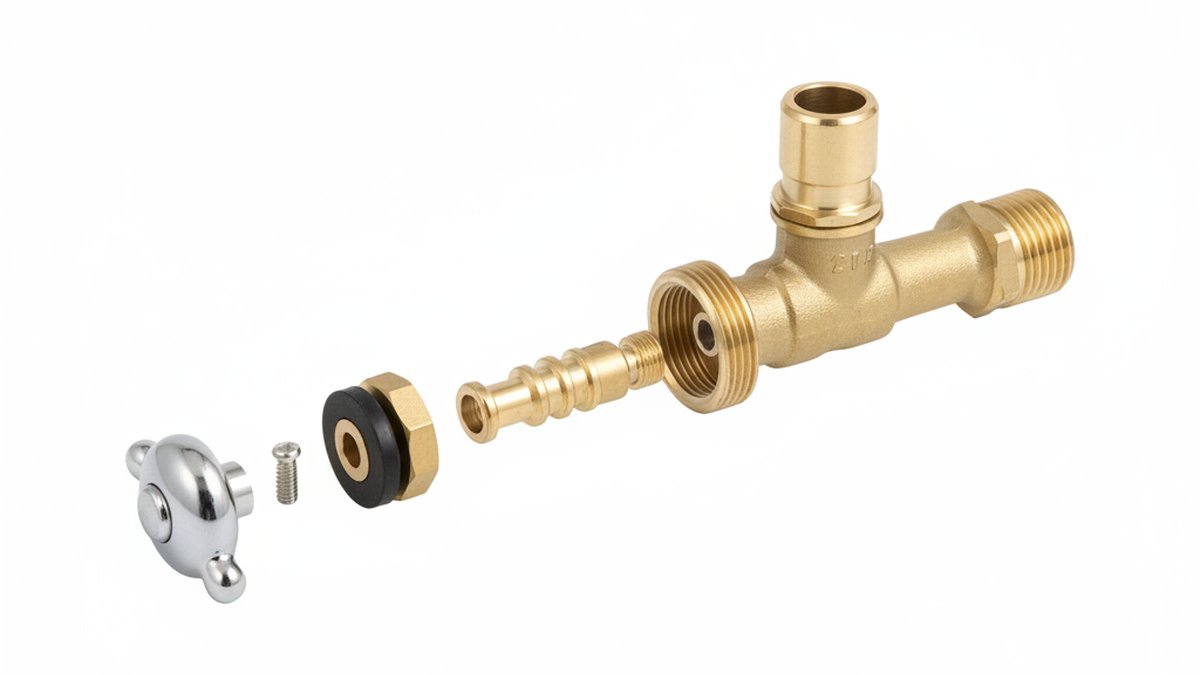
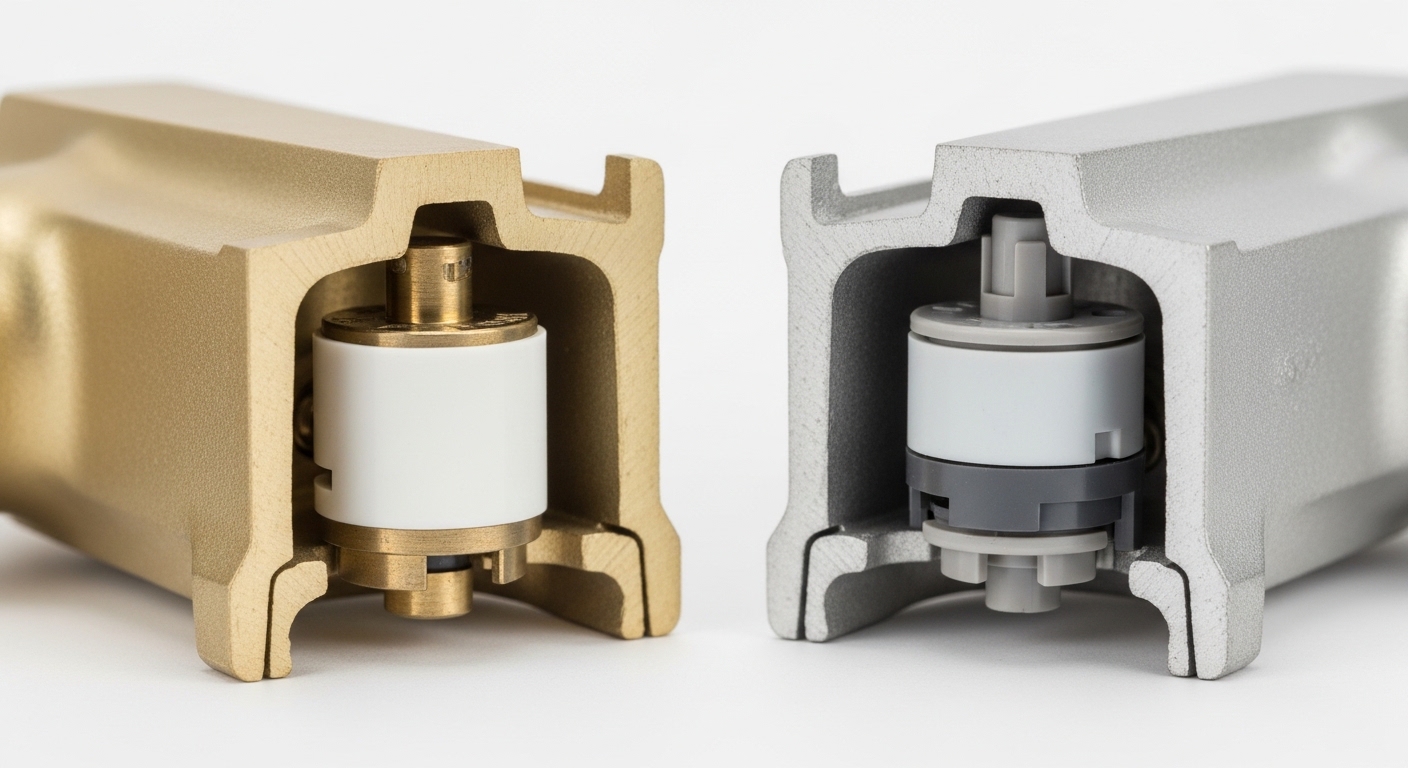
- Body material: Solid brass is the gold standard — it resists corrosion, holds threads, and won’t crack under temperature swings. “Stainless steel” is fine too. Watch out for “zinc alloy” or “metal,” which are code words for cheap die-cast that pits and snaps.
- Cartridge: A ceramic-disc cartridge is what you want. It’s the valve that controls flow and temperature, and ceramic discs are rated for 500,000+ on/off cycles. Rubber-washer or cheap plastic cartridges are the #1 cause of drips.
- Finish: Look for PVD (physical vapor deposition) or quality multi-layer electroplating. PVD is bonded at a molecular level and barely scratches; spray-on “coated” finishes peel.
- Certifications: NSF/ANSI 61 (safe for drinking-water contact), NSF/ANSI 372 (lead-free, ≤0.25%), and ideally cUPC or WaterSense. These are third-party tested, not self-declared.
A quick gut-check: pick up the faucet if you can. A quality bathtub faucet feels dense and heavy for its size because brass is heavy. If it feels hollow and light, it’s thin-walled zinc. Weight isn’t a perfect test, but it catches a lot of junk.
What’s the real difference between a $50 and a $250 bathtub faucet?
The difference is roughly five to ten years of service life and whether you’ll be re-plumbing the wall. A $50 faucet typically uses a zinc body, a plastic cartridge, and a sprayed finish — it works on day one and starts dripping somewhere between months 8 and 24. A $250 faucet uses solid brass, a German or Sedal-grade ceramic cartridge, and a PVD finish that’s still flawless a decade later.
It’s not snobbery — it’s the cost of replacing a tub spout or valve trim, which often means opening the wall behind the tub. The faucet is the cheapest part of that repair; the labor is what hurts. Buying quality once is almost always cheaper than buying cheap twice.
| Tier | Typical Price | Body | Cartridge | Finish | Expected Lifespan |
|---|---|---|---|---|---|
| Budget | $30–$60 | Zinc alloy / plastic | Plastic or rubber washer | Sprayed coating | 1–3 years |
| Mid-range | $120–$250 | Solid brass | Ceramic disc (35mm) | Electroplated or PVD | 8–15 years |
| Premium | $250–$500+ | Solid brass / stainless | Premium ceramic (Sedal/Hydroplast) | PVD multi-layer | 15–25 years |
Notice the jump that actually matters is from budget to mid-range. Going from mid-range to premium buys you finish longevity and refinement, but a good $150–$200 faucet already gives you the core durability most homeowners need.
Which type of bathtub faucet do I need — does it depend on my tub?
Yes, and this is the step people skip and regret. The faucet type must match your tub’s mounting and your plumbing rough-in — a beautiful faucet in the wrong configuration simply won’t install. There are four common types, and your tub dictates which one fits.
| Faucet Type | Best For | Mounts On | Notes |
|---|---|---|---|
| Wall-mount tub & shower | Standard alcove tubs with a shower | Inside the wall | Needs a diverter to switch tub/shower |
| Deck-mount | Drop-in & some freestanding tubs | Tub deck / rim | Requires pre-drilled holes |
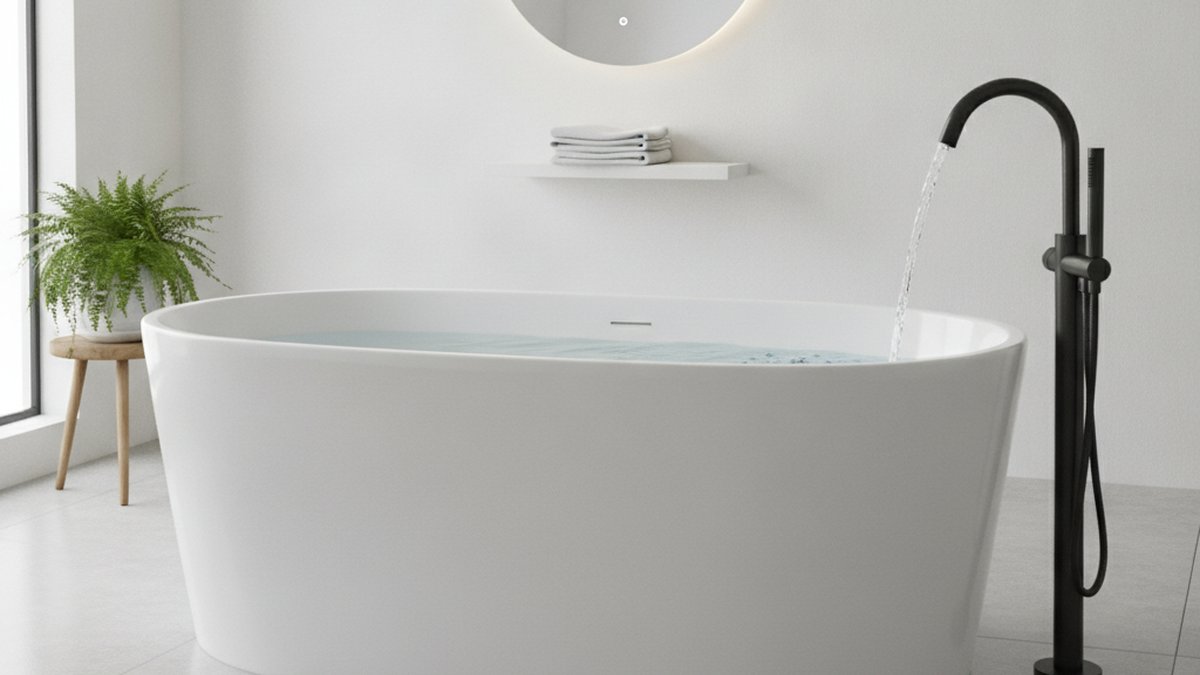
| Freestanding floor-mount | Standalone soaker tubs | The floor | Tall, dramatic, needs floor rough-in |
| Roman tub filler | Built-in / drop-in tubs, no shower | Tub deck (3+ holes) | High flow, no diverter needed |
Before you buy anything, confirm two numbers: your hole spacing (for deck-mount, the distance between centers) and your valve rough-in (the existing valve brand and body in the wall, for wall-mount). If you’re replacing only the visible trim on a wall-mount, you usually have to match the existing valve body’s brand — you can’t always swap a Moen trim onto a Delta rough-in. When in doubt, replace the whole valve while the wall is open.
If your setup includes a shower and you’re trying to understand how the water gets redirected up to the showerhead, our deep dive on the bathtub faucet shower diverter walks through every diverter style and how to pick one that won’t fail. And if you’re doing a full install yourself, the step-by-step in how to install a bathtub faucet and drain covers the drain side, which is just as important as the faucet.
What finish lasts longest in a wet, humid bathroom?
Brushed nickel and matte black with a PVD finish last the longest in a bathroom because their micro-textured or bonded surfaces hide water spots and resist the corrosion that humidity accelerates. Polished chrome is also very durable but shows every fingerprint and water droplet. The finish that fails fastest is any cheap “gold” or “bronze” that’s sprayed rather than plated.
The real enemy isn’t the color — it’s how the finish is applied and what’s underneath it. A PVD finish over solid brass survives steam, soap, and daily wiping for 15+ years. The same color sprayed over zinc starts flaking at the spout base where water pools. If you want to understand why fixtures degrade in the first place, we break it down in why bathroom faucets corrode and how to prevent it.
Quick finish guidance by situation:
- Hard water area: Brushed nickel or matte black PVD — they camouflage mineral spotting between cleanings.
- Modern minimalist bathroom: Matte black or brushed gold; just confirm it’s PVD so it stays even-toned.
- Classic / traditional: Polished chrome is timeless and the most scratch-resistant of all, if you don’t mind wiping spots.
- Rental or high-traffic: Chrome or brushed nickel — cheapest to maintain and most forgiving.
Is a name brand worth it, or are direct-from-manufacturer faucets just as good?
Both can be excellent — the deciding factor is the spec sheet and the warranty, not the logo. Big brands like Kohler, Moen, Grohe, and Delta earn their price with reliable cartridges, easy parts availability, and strong warranties. Direct-from-manufacturer brands like aleashafaucet can match the same brass-and-ceramic build at a lower price because there’s no multi-tier retail markup — as long as the certifications and warranty are real and listed.
What you should never do is buy an unbranded faucet with no certifications, no cartridge spec, and a “lifetime” claim that has no company behind it to honor it. If you’re comparing the premium European and American names head-to-head, our breakdown of Kohler vs Grohe bathroom faucets shows where each one is genuinely worth the money and where you’re paying for the name.
Here’s a practical rule: whether name-brand or direct, demand to see (1) the body material stated as “solid brass,” (2) the cartridge type and diameter, (3) at least NSF/ANSI 61 + 372 certification, and (4) a warranty of 5 years or more. Any seller serious about quality publishes all four. A faucet that’s truly lead-safe will say so and back it with the standard — and you can verify the claim using our guide on how to identify lead-free bathroom faucets.
How do I make a quality bathtub faucet last 15+ years?
A quality faucet lasts longest when you protect the cartridge and the finish — the two parts that actually wear. The body is nearly indestructible; the cartridge and surface are what you maintain. Do these things and a good faucet will outlast your remodel.
- Flush the lines before first use. Construction debris and pipe grit shred a new cartridge. Run water with the aerator removed for 60 seconds at install.
- Wipe it dry after heavy use. Standing water is what lets minerals etch the finish. A quick wipe beats any polish.
- Clean with mild soap only. No vinegar soaks on PVD or coated finishes, no abrasive pads. They strip the protective layer.
- Replace the cartridge, not the faucet, if it drips. On a quality brass body, a $15–$30 cartridge swap restores it to new. This is the whole point of buying brass.
- Service the aerator yearly. Hard-water buildup chokes flow; a quick descale keeps pressure strong.
That fourth point is the financial argument for quality in one sentence: with a brass-bodied faucet, almost every failure is a cheap, screw-in cartridge fix instead of a wall-opening replacement. If you ever notice the handle getting stiff, that’s usually the cartridge talking — our guide on why is my faucet hard to turn walks through the fix before it becomes a leak.
Author Note & Brand Credibility
This guide was written by the product team at aleashafaucet, where we design, manufacture, and bench-test bathtub and bathroom fixtures for North American homes. Every faucet we ship is pressure-tested to 1.5× working pressure, cycle-tested on its cartridge to a minimum of 200,000 open/close cycles, and certified to NSF/ANSI 61 and 372 for lead-free drinking-water safety. We back our bathtub faucets with a multi-year limited warranty on the finish and the cartridge, because we’d rather send you a $20 part than have you open a wall. Our recommendations come from real return-rate data — we track which builds fail and why — not from a marketing brief.
FAQ
How much should I spend on a quality bathtub faucet?
Budget $120–$350 for a genuinely durable bathtub faucet with a solid brass body, ceramic cartridge, and proper certifications. Below about $60 you’re almost always getting zinc and plastic that will leak within a year or two. Above $350 you’re paying for premium finishes and refined design, which is worth it on a feature tub but optional on a standard one.
Is solid brass really better than stainless steel for a bathtub faucet?
Both are excellent and far better than zinc. Solid brass is easier to cast into ornate shapes, holds threads beautifully, and is naturally corrosion-resistant. Stainless steel is fully lead-free by nature and extremely tough. For most bathtub faucets, solid brass with a quality finish is the proven choice; either is a safe buy as long as it’s certified.
Can I replace just the bathtub faucet without opening the wall?
Often yes, if you’re only swapping the visible trim (handle, spout, escutcheon) and your new trim matches the existing valve body’s brand and rough-in. If the valve itself is failing or you’re changing brands, you’ll usually need to open the wall to replace the valve body. Confirm your existing valve brand before buying trim-only kits.
Do I need a faucet with a diverter for my bathtub?
Only if your tub also has a shower. A diverter is what redirects water from the tub spout up to the showerhead. Tub-only setups (like many freestanding soaker tubs) use a tub filler with no diverter. If you have a combined tub-shower, you need either a diverter in the spout or a dedicated diverter valve in the wall.
What certifications should a quality bathtub faucet have?
Look for NSF/ANSI 61 (safe for drinking-water contact), NSF/ANSI 372 (lead-free, ≤0.25% lead), and cUPC for plumbing-code compliance in the US and Canada. WaterSense is a bonus for water efficiency. These are independently tested standards, so they’re far more meaningful than a seller’s “premium quality” claim.
How long does a good bathtub faucet last?
A quality bathtub faucet with a brass body and ceramic cartridge lasts 8–15 years for mid-range models and 15–25 years for premium PVD-finished ones — and even then, the only typical repair is a cheap cartridge swap. Cheap zinc-and-plastic faucets usually fail within 1–3 years and have to be fully replaced.