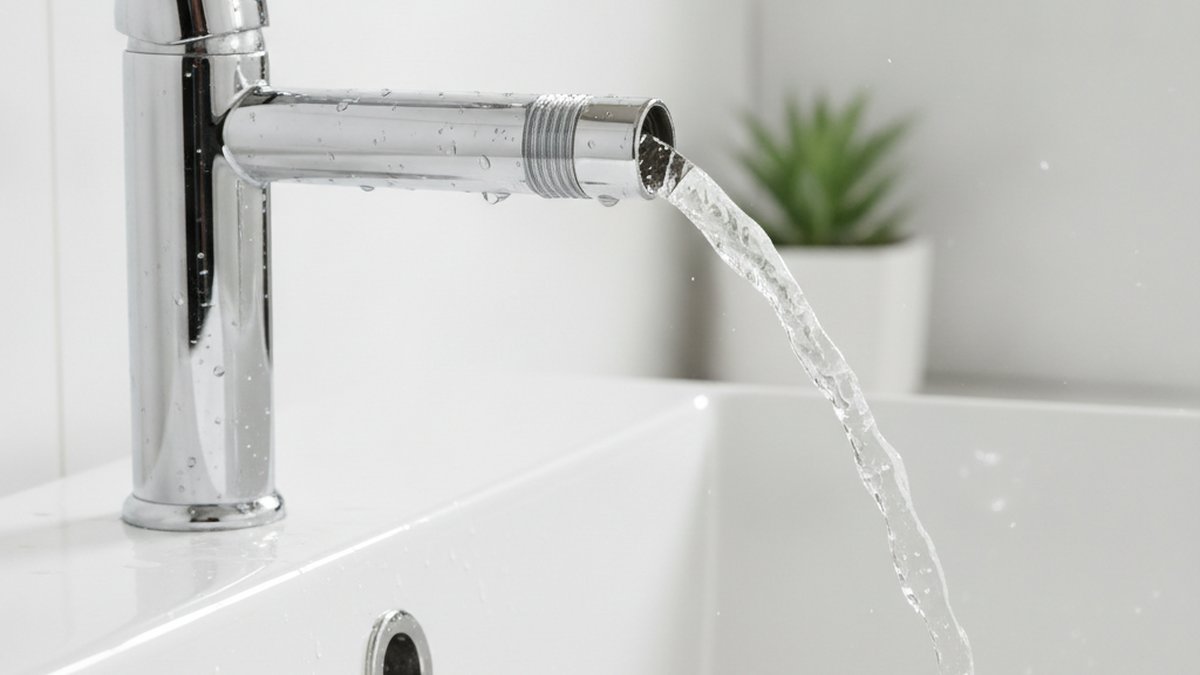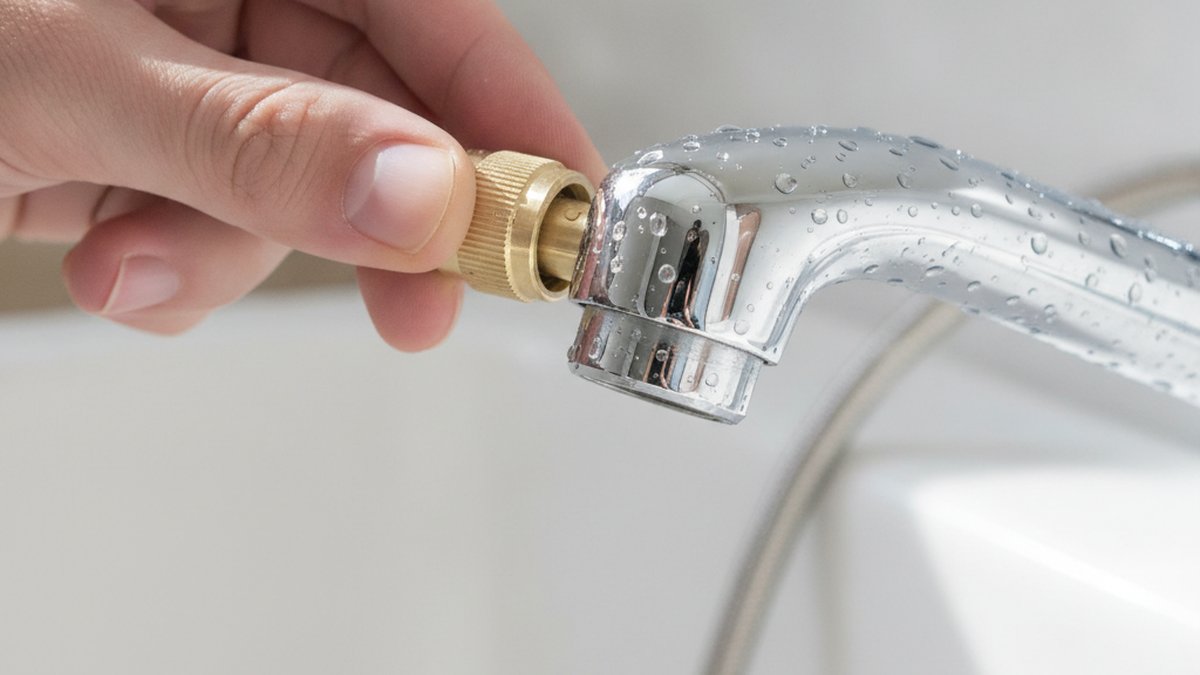
If you’ve got a leaky or open utility sink spout, a laundry faucet cap is the cheapest, fastest fix on the shelf — but only if you buy the right thread. A laundry faucet is that no-frills wall-mounted or deck-mounted faucet over your utility tub, and its spout is almost always threaded so you can screw on a garden hose, a washing-machine fill hose, or a spray attachment. When nothing is attached, that open threaded end drips, whistles, sprays sideways, and slowly builds up mineral crust. A cap closes it. This guide walks through exactly which cap fits, how to measure, what material to buy, and when a cap is the wrong answer entirely.
What exactly does a laundry faucet cap do, and do I really need one?
A laundry faucet cap seals the threaded end of a utility faucet so no water escapes and no debris gets in. You need one whenever your laundry spout is threaded but sits unused most of the time — which is the case for the majority of basement and garage utility sinks.
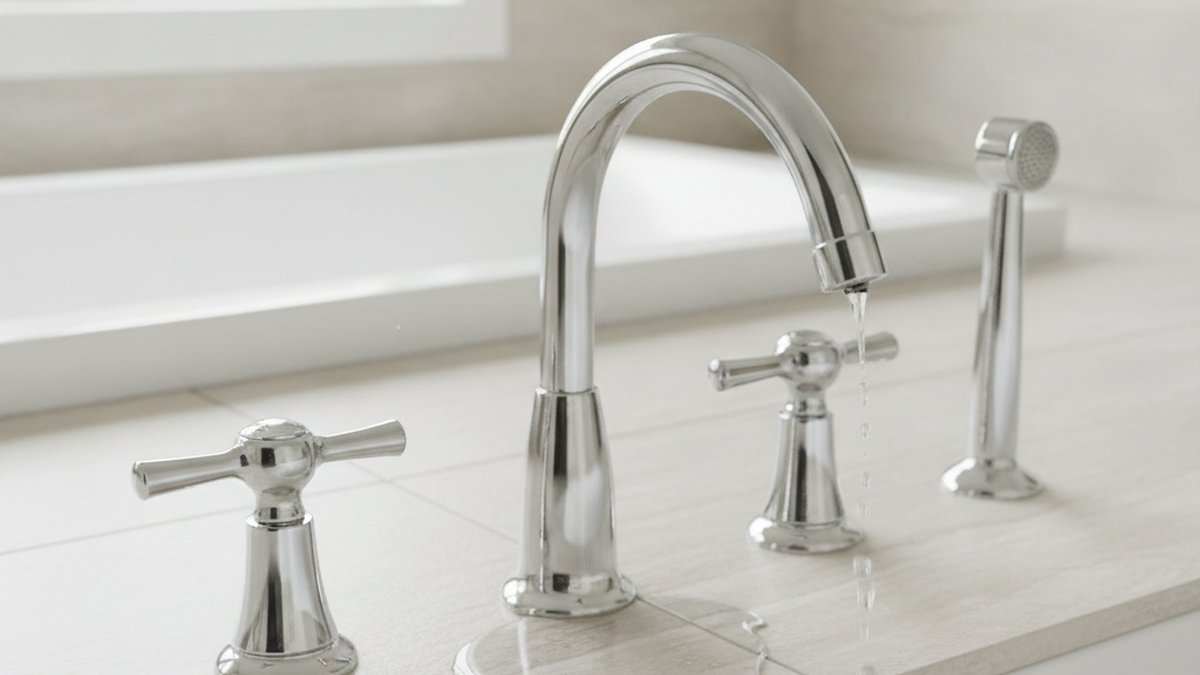
Here’s why people reach for one. Laundry faucets take a beating: they’re often the hardest-working, least-maintained faucet in the house. The threaded tip is exposed, so it catches splashes, drips after the valve is shut, and collects lint and mineral scale. A cap does four practical jobs:
- Stops a slow post-shutoff drip from a worn washer or seat by giving the residual water nowhere to go (a stopgap, not a cure — more on that below).
- Prevents “spray splay” — when threads get chewed up, water shoots sideways instead of straight down; a cap keeps you from replacing the whole spout early.
- Protects the threads from corrosion and lint buildup so a hose still screws on cleanly months later.
- Blocks backflow debris and keeps bugs or grit out of an idle spout in a garage or basement.
If your laundry faucet has a garden hose permanently attached to a washer or a utility pump, you don’t need a cap. If the spout sits open and bare, a cap is a two-dollar upgrade that saves headaches.
What thread size is a laundry faucet cap — GHT or aerator?
Most laundry faucet spouts use 3/4″ garden hose thread (GHT), so most laundry faucet caps are 3/4″ GHT female caps. But a meaningful minority of laundry and utility faucets use standard aerator threads instead, and those need a completely different cap. Measuring wrong is the #1 reason a cap leaks or won’t grab.
Threads on faucet spouts come in a few standard flavors. Here’s how they break down:
| Thread type | Common size | Where you’ll find it | Cap you need |
|---|---|---|---|
| Garden Hose Thread (GHT) | 3/4″ – 11.5 TPI | Most laundry/utility faucets, hose bibs, wall spouts | 3/4″ GHT female cap w/ rubber washer |
| Male aerator | 15/16″-27 | Kitchen-style utility faucets with a male-threaded tip | Female aerator cap 15/16″-27 |
| Female aerator | 55/64″-27 | Some laundry faucets with recessed threads | Male-threaded cap 55/64″-27 |
| NPT pipe thread | 1/2″ or 3/4″ NPT | Bare pipe stub / wall stub-out, not a finished faucet | Threaded pipe cap (tapered) |
How to tell GHT from aerator fast: GHT threads are coarse and widely spaced — you can count the individual thread ridges easily, and a garden hose screws right on. Aerator threads are fine and tightly packed. If a garden hose fits your laundry spout, buy a 3/4″ GHT cap and you’re done. If a hose doesn’t fit and the tip looks like a kitchen faucet, you’re dealing with aerator threads.
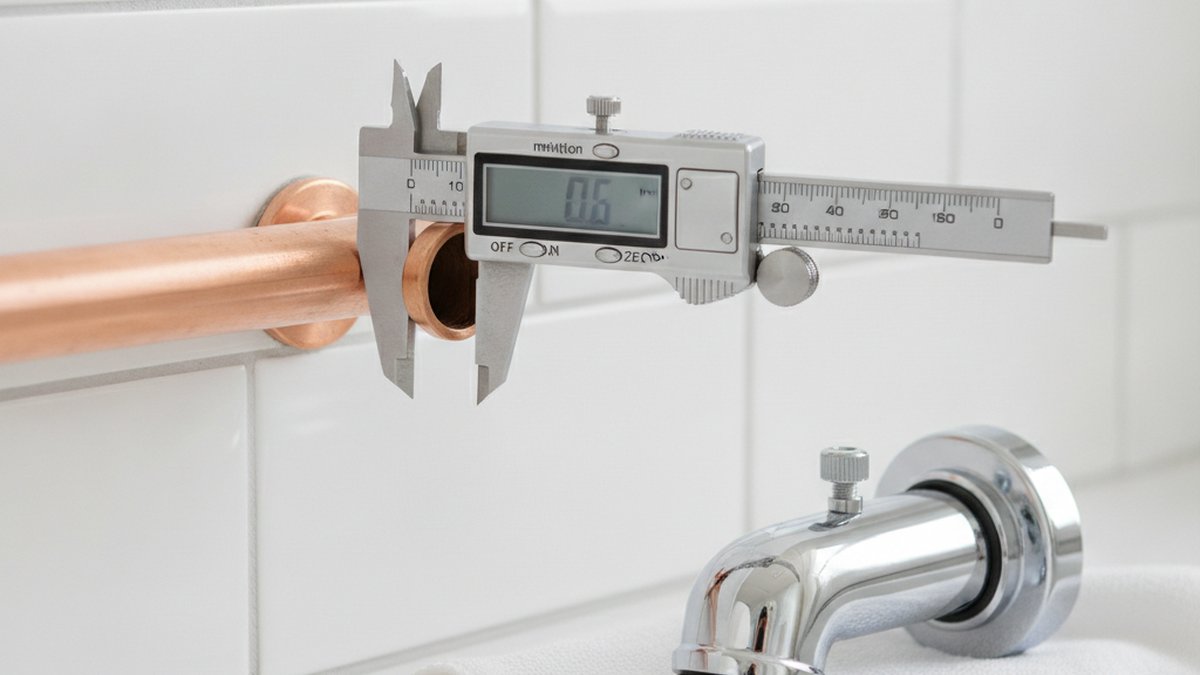
Measure the outside diameter of the male threads with a caliper or a ruler across the widest point: roughly 1-1/16″ (about 26–27 mm) across is classic 3/4″ GHT. Don’t guess by eye — a wrong cap either cross-threads (damaging the spout) or spins loose and leaks under pressure.
What material should a laundry faucet cap be — brass, stainless, or plastic?
Buy solid brass with a rubber washer for anything permanent; use plastic only for short-term or freeze-drain situations. Material decides how long the cap lasts and whether it seals under the water hammer a washing machine creates.
Here’s the honest trade-off between the three common options:
- Solid brass (best all-around): Corrosion-resistant, threads cleanly onto brass or chrome spouts, and holds a seal for years. This is what we recommend for a permanently capped utility spout. Look for a machined hex or knurled body so you can snug it with a wrench if needed.
- Stainless steel: Slightly pricier, excellent in humid or salty environments (coastal garages, outdoor laundry areas). Overkill for most indoor tubs, but bombproof.
- Plastic/nylon (short-term only): Cheap, freeze-safe, and fine for winterizing or a temporary seal. But the threads deform over time, they crack in cold garages, and they’re easy to over-tighten and strip. Not a “set it and forget it” choice.
Whatever you buy, the rubber or EPDM washer inside the cap does the actual sealing — the threads just hold it in place. A cap without a washer relies on thread friction alone and will usually weep. If your cap didn’t come with a washer, add a standard 3/4″ hose washer; they cost pennies.
Is a laundry faucet cap the right fix if my faucet is dripping, or am I masking a real problem?
If your laundry faucet drips from the spout tip only after you shut it off, a cap can hold back that residual drip — but if it drips continuously with the handle closed, the cap is masking a bad washer or seat, and you should fix the valve instead. Capping a faucet that’s actively leaking under full line pressure just moves the leak to the weakest connection.
Think of it this way. A cap is a great answer for “the spout is open and annoying.” It’s the wrong answer for “the valve won’t stop passing water.” A continuously running laundry faucet almost always means a worn stem washer, a corroded valve seat, or a bad cartridge — and pressurizing a capped-but-leaking faucet can stress the spout joint or blow the cap off. If your utility faucet leaks with the handle fully closed, the real repair is inside the valve.
The good news is these are beginner-friendly repairs. If the leak is at the seat, our guide on how to remove an old tap seat that’s stuck, corroded, or stripped walks through the exact tool and technique. If it’s dripping from the valve body rather than the spout, why your faucet is dripping from the valve and how to fix a dripping faucet valve yourself covers the fix step by step. Cap the spout after the valve is healthy — not instead of fixing it.
How do you install a laundry faucet cap so it actually seals?
Screw the cap on hand-tight with a washer seated inside, then give it a quarter-turn with a wrench — no more. Over-tightening cracks plastic caps and crushes the washer so it seals worse, not better. The whole job takes under two minutes.
- Shut off the faucet handle (you don’t need to kill the house supply for a simple capping).
- Clean the spout threads — wipe off lint and scrub mineral scale with an old toothbrush and white vinegar so the cap threads on straight.
- Confirm the washer is seated flat inside the cap. A cocked washer is the #1 cause of a weeping cap.
- Hand-thread the cap clockwise. It should start easily; if it binds in the first turn, stop — you’ve cross-threaded it. Back off and restart.
- Snug it a quarter-turn with an adjustable wrench or channel-locks. Brass can take it; plastic can’t.
- Test under pressure. Open the handle briefly. Bone dry at the cap = done. A weep = re-seat the washer or add a wrap of PTFE tape to the threads.
For a wall-mounted laundry spout that’s corroded at the threads and won’t take a cap cleanly, capping is a band-aid — the spout itself may be finished. In that case, see how to handle a wall mount faucet spout replacement without tearing open the wall before you spend money on caps that won’t seat.
Can I use a laundry faucet cap to boost or redirect water pressure?
No — a cap seals a spout shut; it doesn’t increase pressure, and if your laundry faucet has weak flow, the culprit is usually a clogged aerator or a partially closed supply valve, not the cap. This is a common mix-up, so it’s worth clearing up.
People sometimes assume a cap or a smaller opening will “build pressure.” It won’t — flow restriction at the tip doesn’t raise system pressure; it just reduces output. If your laundry faucet trickles, check the aerator screen for lint and scale first, because a laundry faucet in a lint-heavy environment clogs faster than any other tap in the house. Our explainer on why a faucet aerator causes low pressure and how to fix it fast is the right starting point. Save the cap for sealing, not for plumbing physics that don’t exist.
What should I actually buy? A quick buyer’s shortlist
For 90% of home laundry tubs: a solid brass 3/4″ GHT female cap with an EPDM washer. Here’s the decision in one glance:
| Your situation | Best cap choice | Rough price |
|---|---|---|
| Standard indoor utility tub, capping permanently | Solid brass 3/4″ GHT cap + washer | $3–$8 |
| Coastal / humid / salty garage | Stainless steel 3/4″ GHT cap | $6–$12 |
| Winterizing / freeze protection, temporary | Nylon/plastic hose cap | $1–$3 |
| Kitchen-style utility faucet (aerator tip) | Aerator cap (match 15/16″-27 or 55/64″-27) | $4–$9 |
| Bare pipe stub-out, no faucet | Tapered NPT brass pipe cap + thread tape | $2–$6 |
Buy two while you’re at it — caps are cheap, and having a spare washer and cap on hand means the next drip is a 60-second fix. Don’t overthink finish or brand for a utility spout that lives in a basement; thread match and washer quality matter far more than looks.
FAQ
What size cap fits a standard laundry faucet?
Most standard laundry and utility faucets use 3/4″ garden hose thread (GHT), so a 3/4″ GHT female cap fits the majority of them. Confirm by checking whether a garden hose screws onto your spout — if it does, a 3/4″ GHT cap will too. If the tip has fine aerator threads instead, measure it (commonly 15/16″-27 male or 55/64″-27 female) and buy the matching aerator cap.
Will a laundry faucet cap stop my faucet from dripping?
It stops drips coming from an open, threaded spout tip, and it can hold back residual water after you shut the handle. But it will not stop a faucet that keeps passing water with the handle fully closed — that’s a worn washer, seat, or cartridge inside the valve, and capping it just pressurizes a leak. Fix the valve first, then cap the spout if you want it sealed.
Brass or plastic — which laundry faucet cap lasts longer?
Solid brass lasts far longer and seals more reliably, especially against the water hammer a washing machine creates. Plastic caps are fine for temporary or freeze-protection use but crack in cold garages and strip easily. For a cap you’ll leave on permanently, choose brass (or stainless in humid/coastal spaces) with a rubber or EPDM washer inside.
Do I need Teflon tape or a washer to seal a laundry faucet cap?
For garden-hose-thread caps, the rubber washer inside does the sealing — you generally don’t need tape. For tapered NPT pipe caps on a bare stub-out, use PTFE (Teflon) thread tape because those threads seal on the taper, not a washer. If a GHT cap still weeps after hand-tightening, re-seat the washer first; add a wrap of tape only as a backup.
Can I cap a laundry faucet to disconnect a washing machine safely?
Yes. If you’re removing a washer and leaving the laundry faucet in place, shut the handle, disconnect the fill hose, and screw a brass 3/4″ GHT cap onto the spout with a washer seated inside. This seals the outlet cleanly and protects the threads. For long-term shutoff, also close the supply valves feeding the faucet so no pressure sits against the cap indefinitely.
How tight should I make a laundry faucet cap?
Hand-tight plus about a quarter-turn with a wrench for brass or stainless. Plastic caps should go hand-tight only — over-tightening crushes the washer and cracks the body, which makes the seal worse. If it leaks at proper tightness, the problem is a bad or misaligned washer, not insufficient torque.
The bottom line
A laundry faucet cap is one of the cheapest, most useful little fixes in your home: measure your spout thread (almost always 3/4″ GHT), buy a solid brass cap with a good washer, and hand-tighten it with a quarter-turn of wrench. Just remember what a cap is for — sealing an open or splashing spout — and what it isn’t for: masking a valve that leaks under pressure or magically boosting flow. Match the thread, seat the washer, and you’ve solved the problem for the price of a coffee.
Author’s note: This guide was written by the fixtures team at aleashafaucet, drawing on hands-on installation and repair of laundry, utility, and kitchen faucets across thousands of orders. We test spout threads and cap fit against standard GHT (ASME/ANSI garden-hose thread) and 27-TPI aerator specifications, and every brass fixture we sell is built to hold a leak-free seal under normal residential line pressure. When we recommend brass over plastic, it’s because it’s what survived on our own bench — not because it costs more. Fixtures carry a manufacturer warranty; register yours and keep the thread-size note on file so reordering the right cap later takes ten seconds.