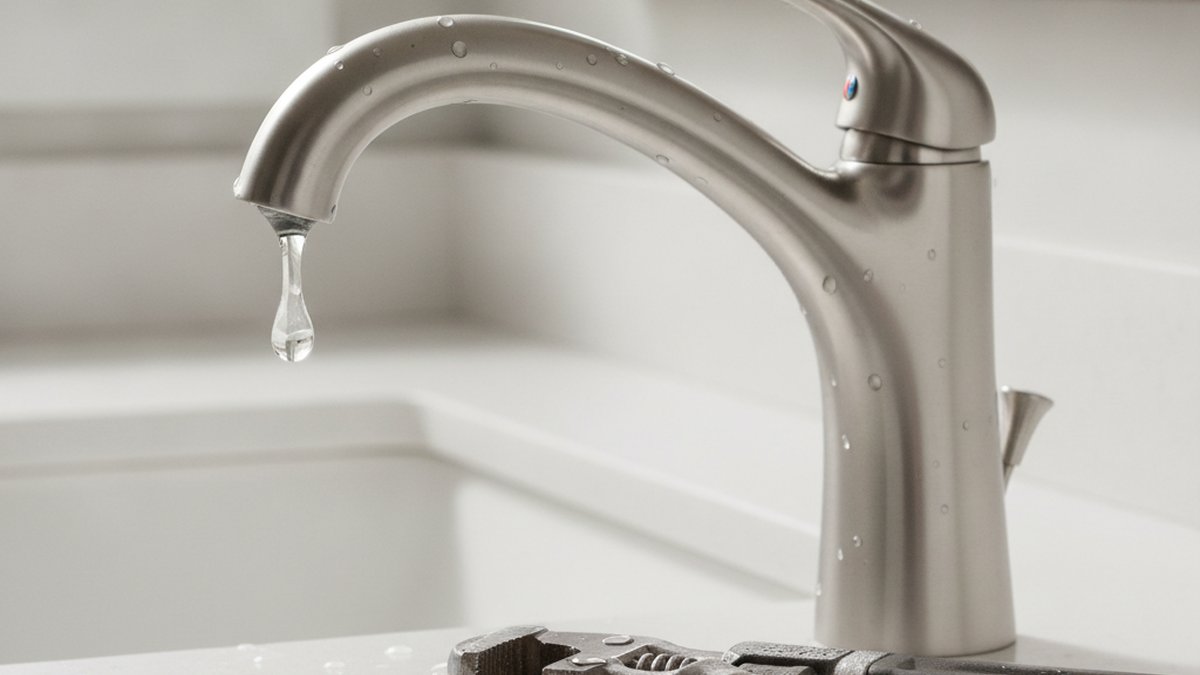
If you’ve searched for a santec faucet cartridge replacement video, you almost certainly have a Santec faucet that’s dripping, spinning loosely, or blasting scalding water — and you’d rather not pay a plumber $150–$250 for a 30-minute fix. Good news: replacing a cartridge is one of the most beginner-friendly repairs in the whole bathroom, and a video plus this guide will get you there. The catch is that Santec is a premium, made-in-USA fixture brand with proprietary cartridges, so “just watch any faucet video” only gets you halfway. Below, we’ll cover what the videos actually show, how to make sure your fix works the first time, and where the generic tutorials leave dangerous gaps.
Why is my Santec faucet dripping, spinning, or running hot — is it really the cartridge?
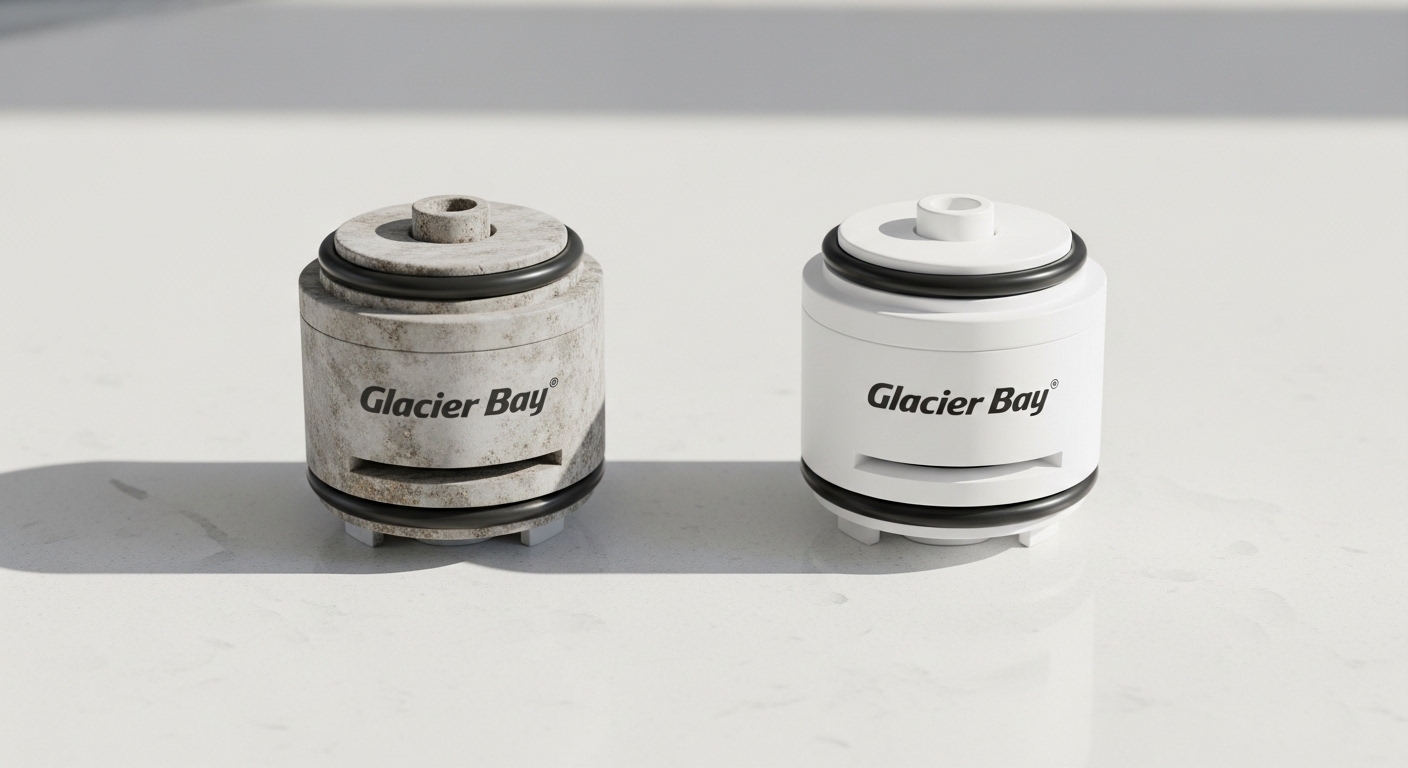
Nine times out of ten, yes — a drip, a handle that spins with no resistance, or water that won’t reach the right temperature all point to a worn cartridge. The cartridge is the valve at the heart of the faucet: it’s the part that opens, closes, mixes hot and cold, and seals the water off. When its internal ceramic discs or rubber seals wear out or catch mineral debris, you get exactly these symptoms.
Here’s how to read your specific problem before you commit to the repair:
- Steady drip from the spout, handle off: The cartridge’s seals or ceramic discs are worn or scaled. Classic cartridge failure.
- Handle turns loosely / feels sloppy: The cartridge stem is stripped or the internal mechanism is broken. Replace it.
- Water won’t get hot (or won’t get cold): The mixing portion of the cartridge is jammed — often mineral buildup or a failed rotational limit stop.
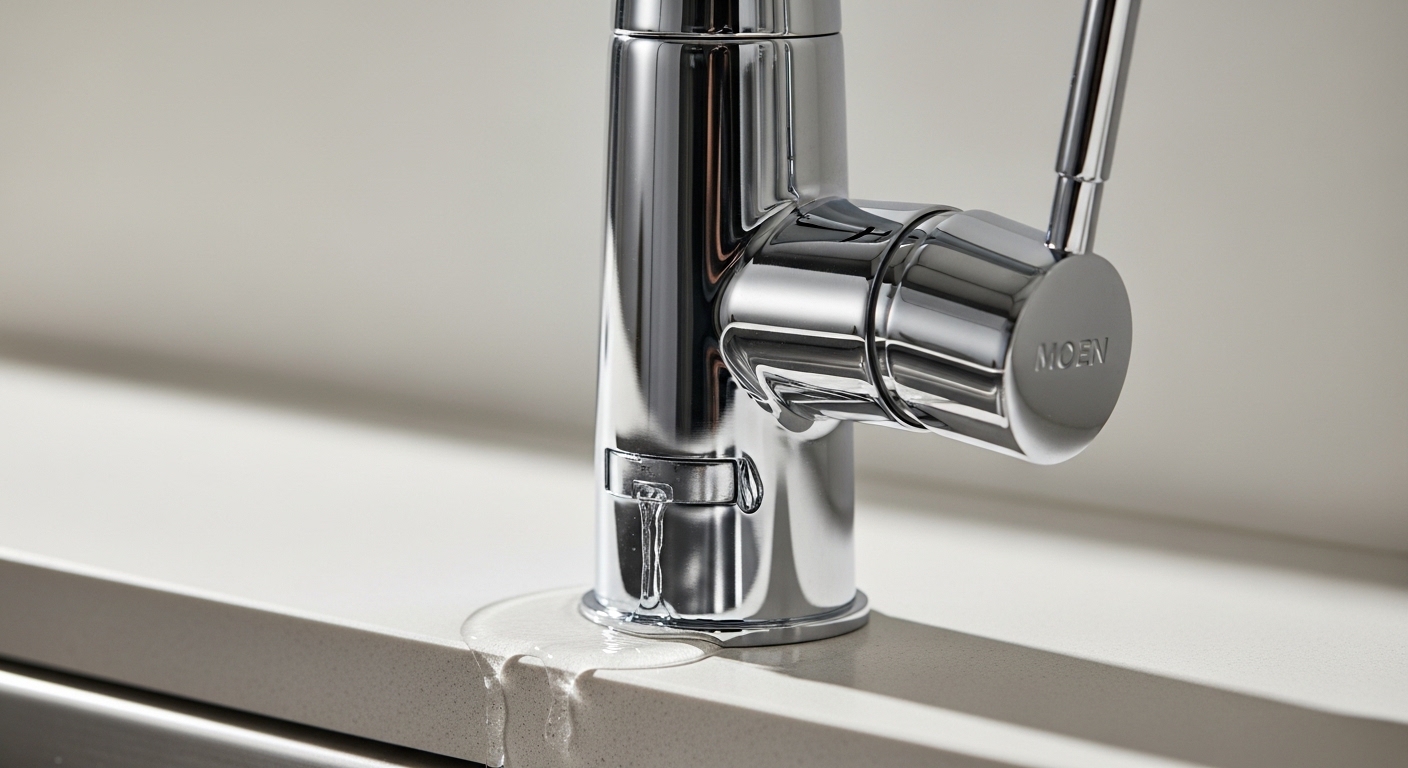
- Drip from the base of the handle, not the spout: Usually a worn O-ring on the cartridge or spout, not always the full cartridge — but a cartridge kit typically includes new O-rings.
- Squealing or hard-to-turn handle: Cartridge seals are dry, gritty, or degraded.
If you want to confirm it’s not something simpler first, low flow with no dripping is often just a clogged aerator, and a leak lower down can be a valve body issue. We cover the related diagnostics in our guide on why a faucet drips from the valve and how to fix it, which is worth a two-minute read before you order parts.
What tools and parts does a Santec cartridge replacement video assume you already have?
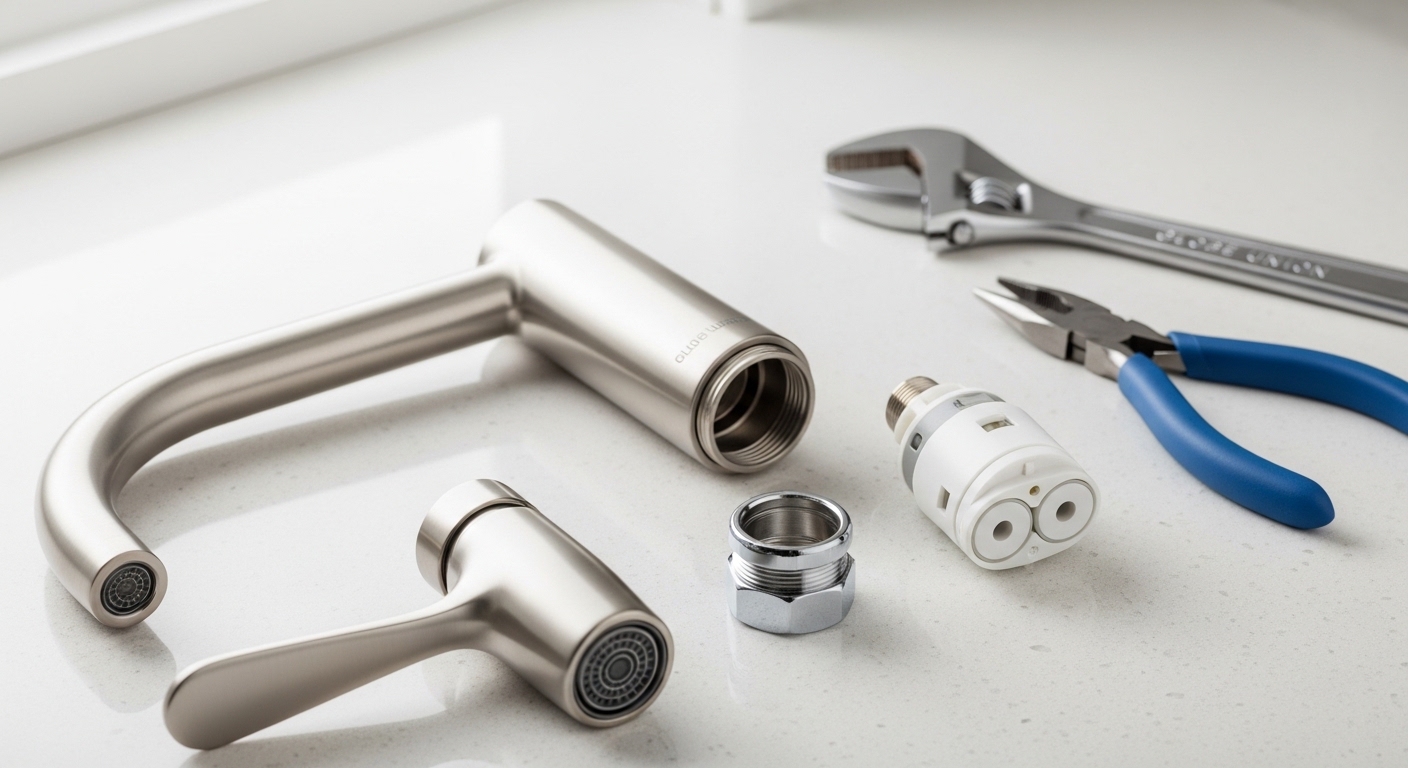
Most videos jump straight into the teardown and assume you’ve got a small, standard tool kit ready — which is why people pause the video three minutes in and run to the hardware store. Get everything staged first. Here’s the realistic list for a Santec single-handle or widespread faucet:
- Hex/Allen key set — Santec handles are almost always secured with a hidden set screw (often 2.5mm or 3/32″).
- Needle-nose pliers — for pulling the horseshoe-shaped retaining clip.
- Adjustable wrench or channel-lock pliers — for cartridges held by a brass retaining nut instead of a clip.
- A cartridge puller — cheap insurance ($10–$20) if the cartridge is corroded in place; a stuck one can otherwise ruin your afternoon.
- Plumber’s grease (silicone) — to lubricate new O-rings so they seat without tearing.
- White vinegar + old toothbrush — to clean mineral scale out of the valve body.
- A towel and a flashlight — plug the drain, light the cavity.
- The exact replacement cartridge — the one thing no video can supply for you.
How do I identify the exact Santec cartridge I need before I order?
This is the make-or-break step, so do it before you shut off any water. The right cartridge is the one that matches your specific Santec faucet model — same brand, same collection, same stem, same length. Santec uses proprietary cartridges, so a generic “universal” cartridge from a big-box store usually will not fit, and forcing a close-but-wrong one is how a simple repair turns into a leaking mess.
Use these three methods, in order of reliability:
- Pull the old cartridge and match it physically. The most foolproof route. Remove the old one, photograph it next to a ruler, and order an identical part. The downside: your faucet stays apart while you wait for shipping, so shut off water at the fixture, not just the whole house.
- Find your model number. Check the original paperwork, the box, or the underside of the spout. Santec model numbers let you look up the exact cartridge or contact Santec directly.
- Contact Santec or a specialist supplier with photos. Because Santec is a boutique brand, their support (and knowledgeable retailers) can identify a cartridge from clear photos of the stem and body when you have no numbers.
Do not assume the cartridge in a YouTube video matches yours just because the faucet looks similar — Santec has used more than one cartridge design across its collections and production years. When in doubt, pull first, order second.
What are the actual step-by-step stages the video is showing?
Every good Santec cartridge replacement video follows the same seven-stage arc. If you understand the arc, you can follow any of them — and catch it when a video skips a step. Here’s the full sequence:
- Shut off the water. Close the hot and cold angle stops under the sink (or the shower’s integral stops / main line for a valve). Then open the faucet to relieve pressure and confirm the water is truly off. Plug the drain.
- Remove the handle. Find and loosen the set screw with your hex key — usually under the lever or behind a small decorative cap. Lift the handle straight up.
- Remove the trim/bonnet. Unscrew any decorative escutcheon, dome, or bonnet nut covering the cartridge.
- Release the cartridge retainer. Pull the horseshoe retaining clip straight up with needle-nose pliers, or unscrew the brass retaining nut — note which system yours uses.
- Pull the old cartridge. Grip the stem and pull straight up. If it’s stuck, use the cartridge puller. Note the orientation — there’s a right way in (usually a notch or flat that indexes hot/cold).
- Clean and prep. Scrub scale from the valve body with vinegar, wipe it out, and grease the new O-rings with silicone plumber’s grease.
- Install the new cartridge and reassemble. Seat the new cartridge in the same orientation, replace the clip/nut, reinstall trim and handle, then turn the water back on slowly and check for leaks.
That orientation note in step 5 matters more than videos let on: install a cartridge backwards and your hot and cold will be reversed, or the handle will hit its stops in the wrong places. Snap a photo before you pull the old one.
Santec cartridge repair vs. calling a plumber vs. full faucet replacement — which makes sense?
For a dripping Santec faucet, replacing the cartridge yourself is almost always the smartest move: it’s cheap, fast, and preserves an expensive fixture. Here’s the honest comparison so you can decide based on your situation and budget:
| Option | Typical cost | Time | Best for | Watch out for |
|---|---|---|---|---|
| DIY cartridge replacement | $25–$70 (part only) | 20–40 min | Confident DIYers; drip, temp, or loose-handle issues | Ordering the wrong cartridge; stuck/corroded cartridge |
| Plumber replaces cartridge | $150–$300 (labor + part) | 1 visit | Seized cartridges, no time, hidden shutoffs | Paying premium labor for a simple job |
| Full faucet replacement | $200–$800+ | 1–2 hrs | Cracked body, obsolete parts, wanting a new look | Overkill when only the cartridge failed |
Because Santec is a high-end brand, ripping out the whole faucet to cure a drip is genuinely wasteful — you’d be discarding a $400–$1,200 fixture over a $40 part. The exception is if the valve body itself is cracked or the cartridge is truly discontinued. If you decide the whole fixture needs to go, our walkthroughs on replacing a bathtub faucet valve and replacing a shower tub faucet without a plumber cover the bigger jobs step by step.
What do the videos never warn you about? (The real gotchas)
The short version: most tutorials make it look flawless because they filmed a faucet that came apart easily. Real-world Santec repairs have a few predictable snags, and knowing them ahead of time is what separates a 30-minute fix from a ruined evening.
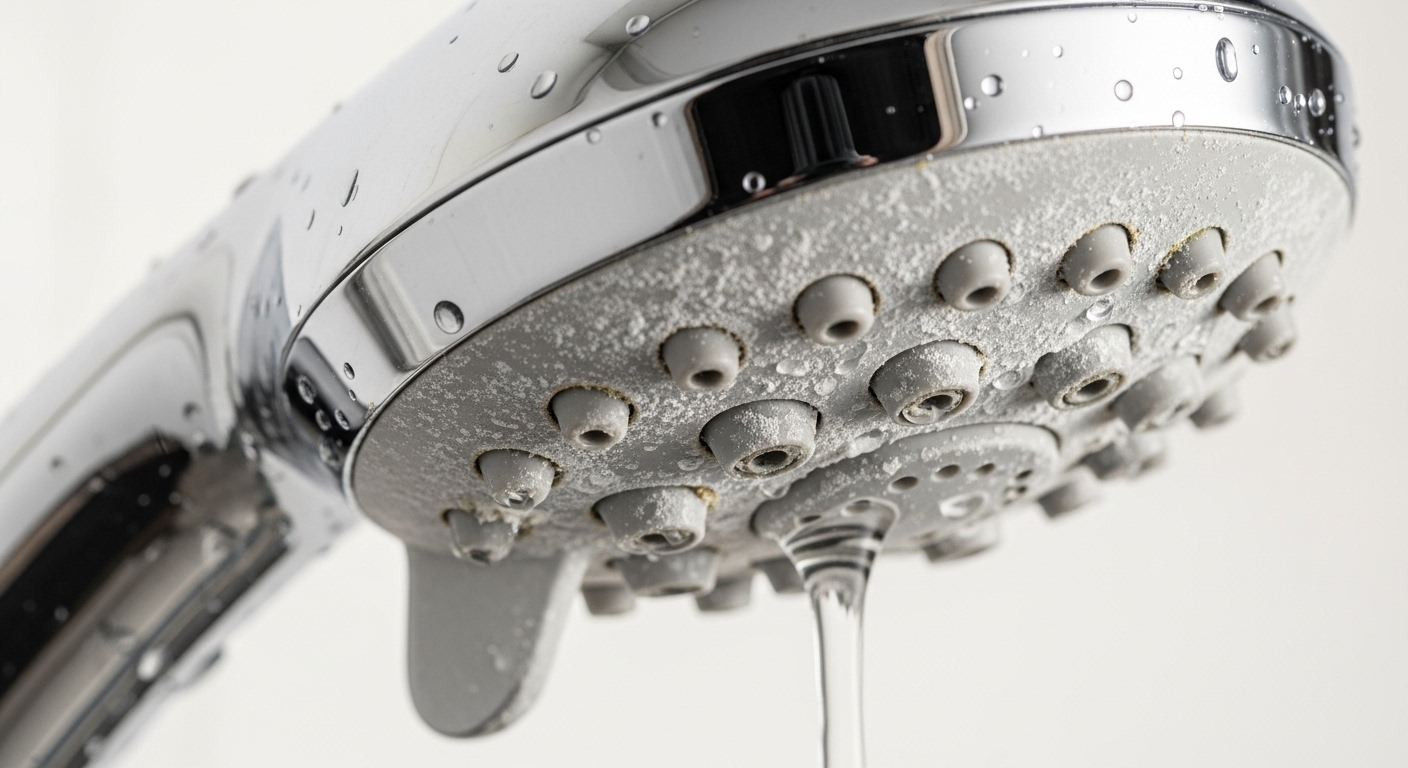
- The stuck cartridge. Years of mineral scale can cement a cartridge into the body. Don’t yank harder — you can crack the brass. Use a cartridge puller, and soak the cavity with vinegar for 15–20 minutes to loosen the scale first. This is the same corrosion problem we detail in our guide to removing an old tap seat that’s stuck, corroded, or stripped.
- The hidden set screw. Some Santec handles hide the set screw under a snap-on button cap or behind the lever. Pry gently with a fingernail or plastic trim tool — a screwdriver scratches the finish.
- Reversed hot and cold. Install the cartridge rotated 180° and your temperatures swap. Photograph the orientation before removal.
- Forgetting to re-seat O-rings with grease. Dry O-rings tear on install, causing a base leak that sends you right back to square one.
- Turning water back on too fast. Open the stops slowly. A sudden pressure surge can pop a not-fully-seated cartridge or blow debris into the new seals.
- Debris in the lines. After the repair, remove the aerator and run the faucet for 15 seconds to flush loosened sediment before reseating everything.
One more subtle one: if your “drip” is actually low pressure or spitting after the repair, the aerator likely caught debris knocked loose during the job — a quick clean fixes it, and our note on why a faucet aerator causes low pressure shows exactly how.
How do I know the repair worked, and how do I keep it from dripping again?
You’ll know it worked when the handle moves smoothly through its full range, the spout is bone-dry with the handle off, and hot/cold land where they should. Run the faucet hot and cold for a full minute and check underneath with a dry paper towel — a slow base leak shows up as dampness within a couple of minutes.
To make the fix last:
- Address hard water. Mineral scale is the number-one cartridge killer. If you’re on hard water, a whole-home softener or periodic aerator/cartridge cleaning extends cartridge life dramatically.
- Don’t over-crank the handle. Ceramic-disc cartridges seal with a light touch. Gorilla-gripping the handle off just grinds the seals.
- Keep the old part number. Once you’ve identified your Santec cartridge, save the part number somewhere findable — the next replacement takes five minutes to order.
- Re-grease during any future service. A dab of silicone plumber’s grease on O-rings every service keeps everything sealing quietly.
FAQ
Are Santec faucet cartridges universal, or do I need a Santec-specific one?
You need a Santec-specific cartridge. Santec uses proprietary cartridge designs that vary across collections and production years, so generic “universal” cartridges from big-box stores generally will not fit or seal correctly. Match your exact model number, or pull the old cartridge and match it physically before ordering.
How long does it take to replace a Santec faucet cartridge?
Plan on 20–40 minutes for a first-timer, assuming you already have the correct replacement cartridge and your tools staged. A cartridge that’s corroded in place is the main thing that stretches the job — soaking it in vinegar and using a cartridge puller usually frees it within another 15–20 minutes.
Do I need to shut off the whole house water to change a cartridge?
Usually not. Close the hot and cold angle stops directly under the sink, then open the faucet to relieve pressure and confirm the water is off. Only shut off the main line if your fixture has no local stops or you’re servicing an in-wall shower/tub valve without accessible integral stops.
Why is my Santec faucet still dripping after I replaced the cartridge?
The three usual causes are: the new cartridge isn’t fully seated (re-check the retaining clip or nut), you installed the wrong cartridge for your model, or debris got trapped in the seals when you turned the water back on too quickly. Turn off the water, re-seat the cartridge with greased O-rings, flush the lines, and reopen the stops slowly.
Can watching a video really replace hiring a plumber for this?
For a standard drip, temperature, or loose-handle problem — yes, a video plus the correct cartridge is genuinely enough for most DIYers, and it saves $150–$250 in labor. Call a plumber if the cartridge is seized beyond what a puller can free, the valve body is cracked, or you can’t locate your shutoffs.
What if I can’t find my Santec model number anywhere?
Pull the old cartridge and match it physically, or take clear photos of the cartridge stem and valve body and send them to Santec support or a specialist fixture retailer. Because Santec is a boutique brand, their team can usually identify the correct cartridge from photos even when no model number survives.
A note on expertise, testing, and warranty
Author note: This guide was written by the aleashafaucet fixtures team, who repair, install, and pressure-test faucets and cartridges day in and day out. We’ve torn down single-handle, widespread, and in-wall valve faucets across dozens of brands — including premium lines like Santec — so the steps and gotchas above come from hands-on work, not a spec sheet.
Brand credibility: aleashafaucet specializes in faucets, shower systems, and bathroom fixtures, and we help customers match replacement parts to their exact fixtures every day. When we recommend matching your cartridge by model or physical part, it’s because we’ve seen how often a “close enough” cartridge causes a callback.
Testing, standards, and warranty: Quality cartridges use ceramic-disc technology tested to industry cycle standards (commonly 500,000+ open/close cycles) and low-lead materials that meet NSF/ANSI 61 and 372 requirements for drinking-water safety. Always check your faucet’s warranty before starting — many premium brands, Santec included, back their cartridges with a limited lifetime warranty, and a defective cartridge may be replaced free if you contact the manufacturer rather than buying a new one. If your fixture is still in warranty, verify the coverage before you buy a part.