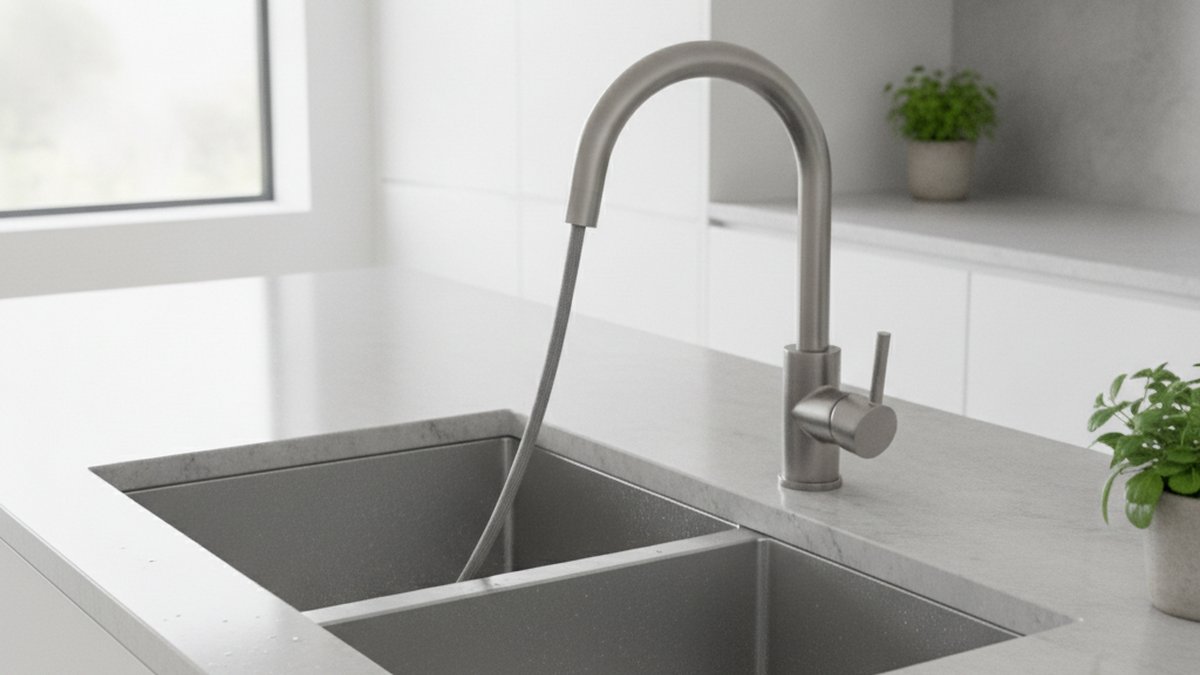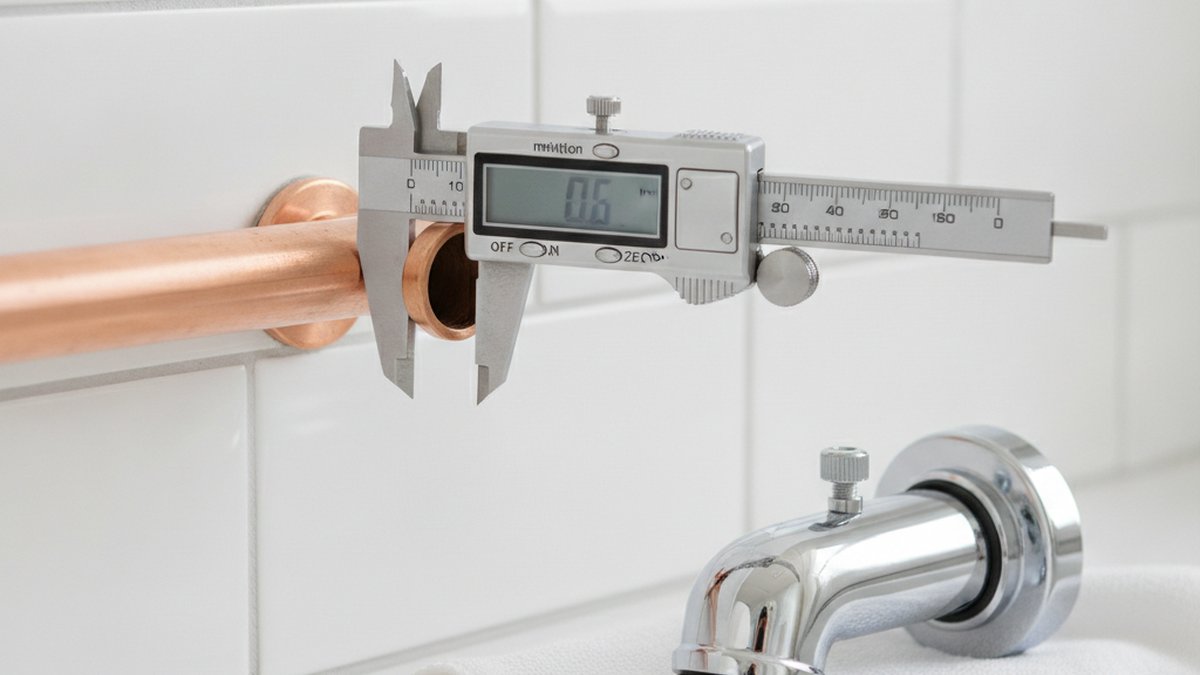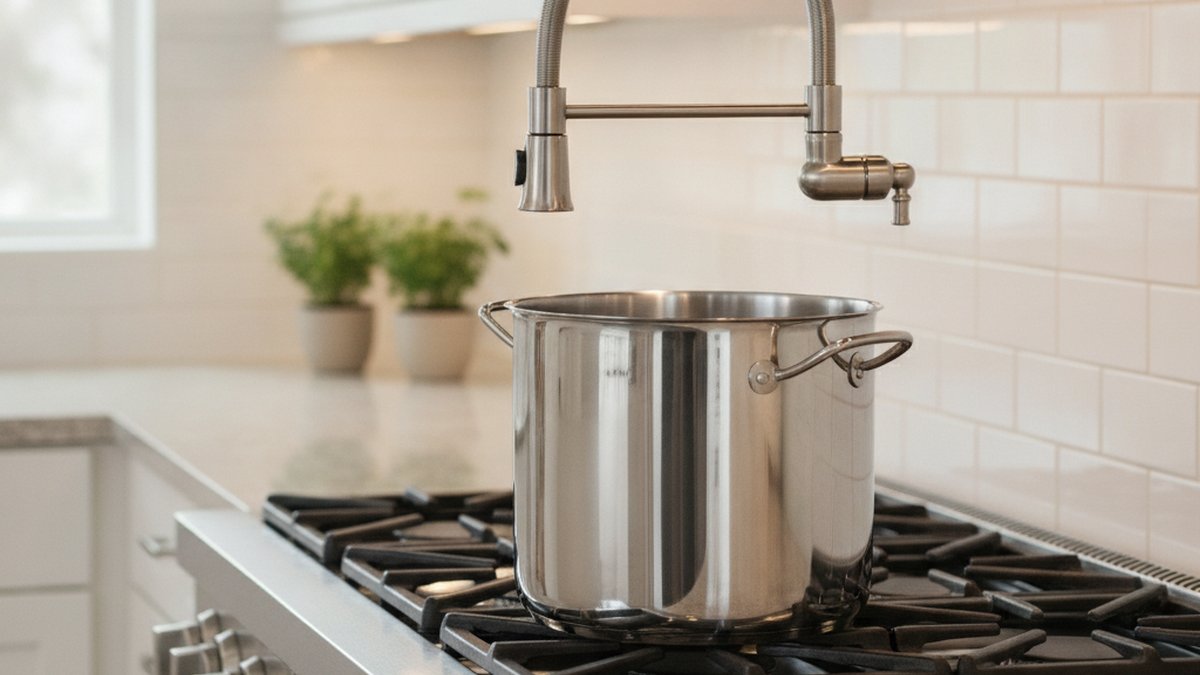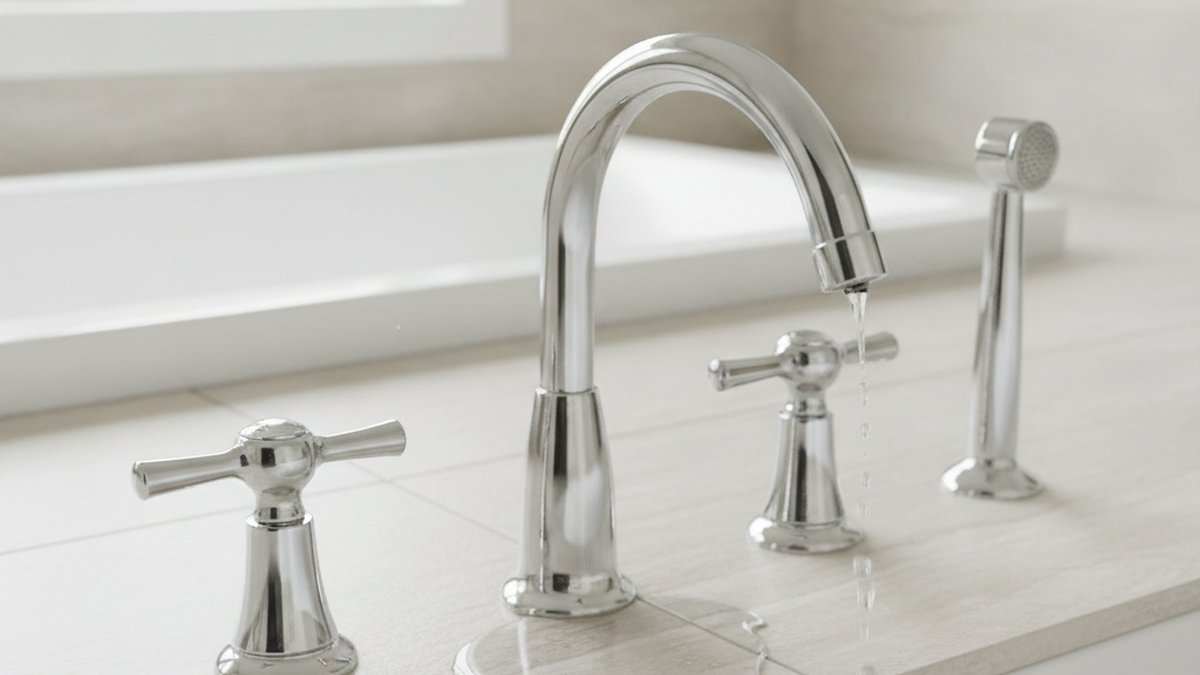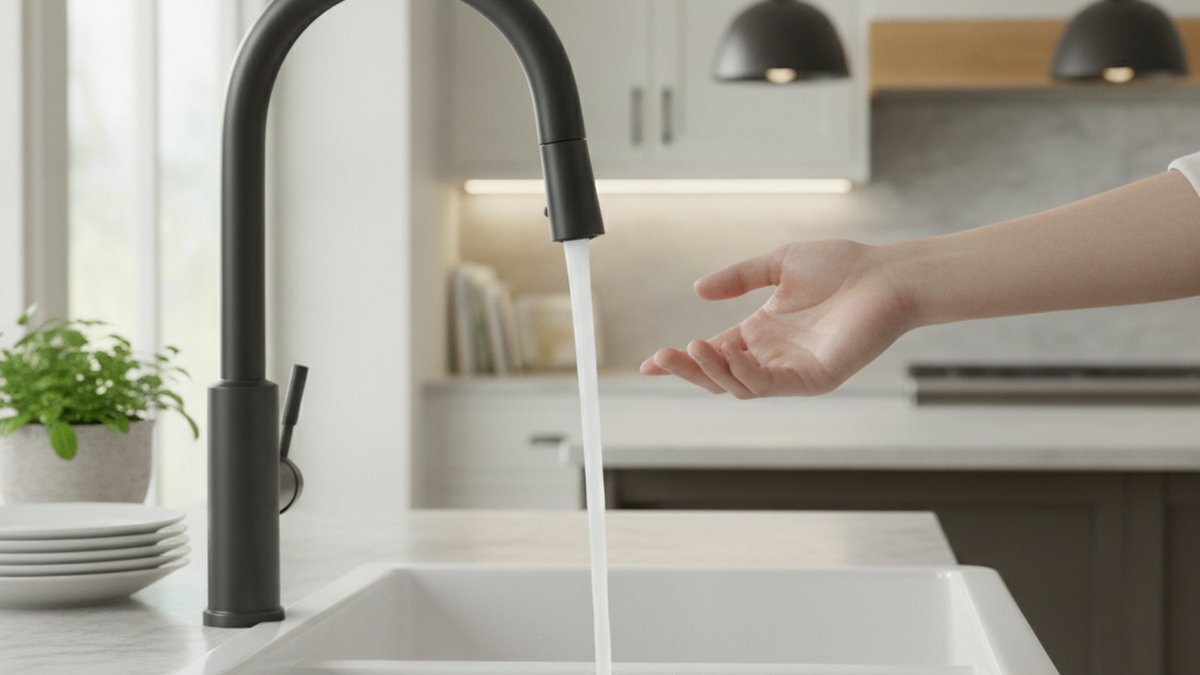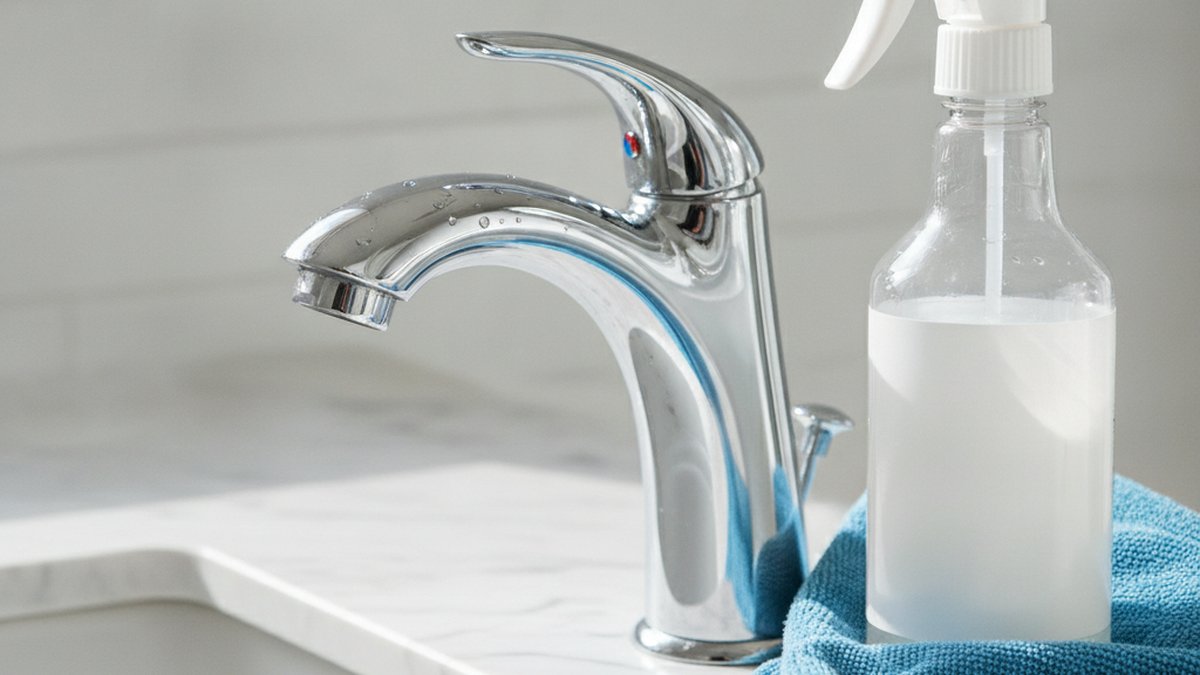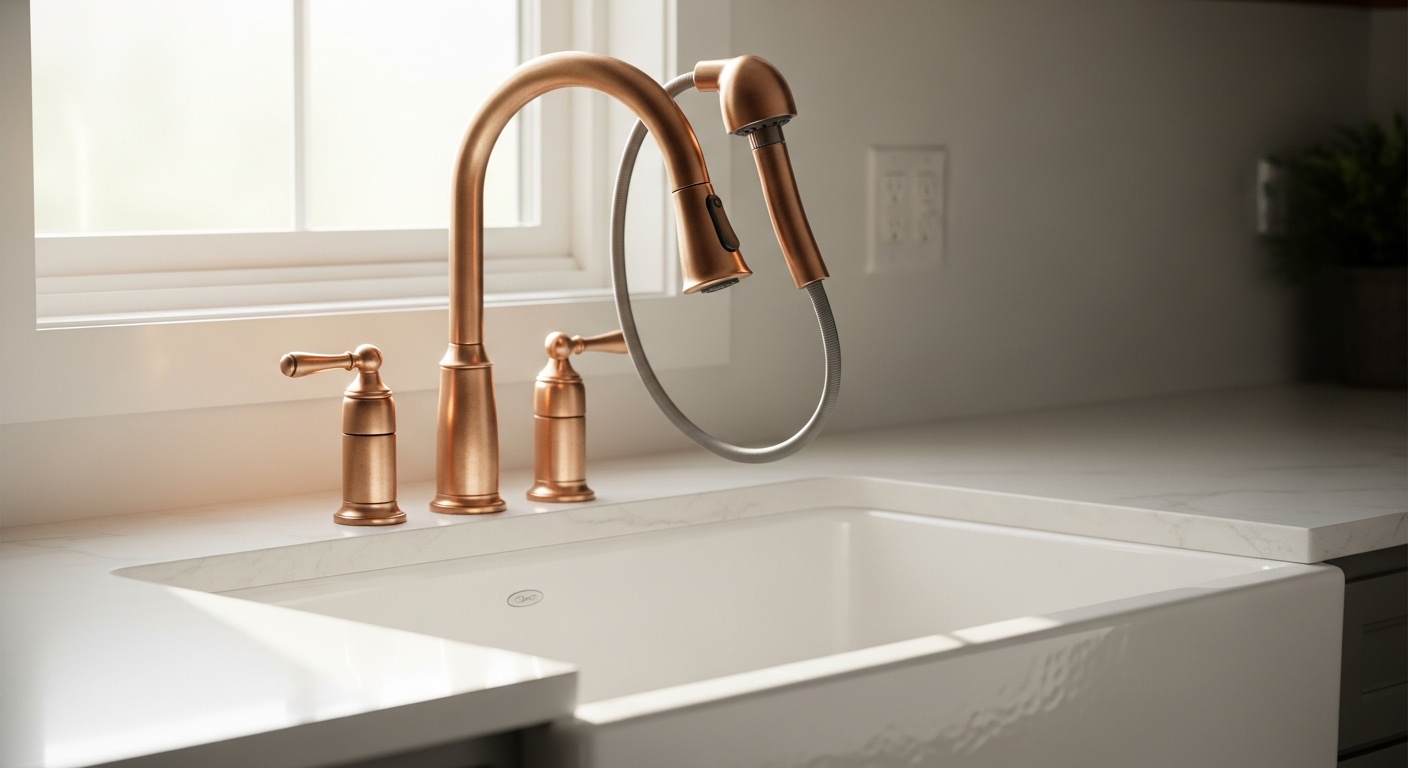
If you’ve been searching for a copper faucet kitchen with pull out spray, you already know the appeal: that rich, warm metal glow paired with the everyday convenience of a hose you can pull out to rinse the far corner of the sink, fill a pot on the counter, or spray down a dish before it dries into concrete. The good news is that copper-look faucets have gotten far more practical in the last few years. The catch is that “copper” means several very different things depending on the product, and getting it wrong is how people end up with a faucet that tarnishes unevenly or feels cheap after six months. This guide walks you through exactly what to buy, what to skip, and what it actually costs.
What exactly is a “copper” kitchen faucet — solid copper, copper finish, or copper plating?
Short answer: almost every “copper” kitchen faucet you can actually buy is a brass body with a copper-colored PVD or electroplated finish — not a chunk of solid copper. That’s a good thing, and here’s why. Solid copper is soft, expensive, and it develops a living patina (it darkens and greens over time) that most people don’t actually want on a hard-working kitchen faucet.
There are really three categories on the market:
- Solid copper / hammered copper: Genuine copper sheet or cast copper. Beautiful, artisanal, and it will patina and darken unless it’s sealed. Expensive ($300–$800+) and usually more decorative than durable. Best for people who want the aged farmhouse look.
- Copper PVD finish over brass: The sweet spot. A physical-vapor-deposition coating fused onto a solid brass body. It holds a consistent copper or rose-gold tone, resists scratching and corrosion, and won’t tarnish. This is what most quality faucets under $350 actually are.
- Copper electroplate over zinc alloy: The budget trap. A thin plated layer over cheap pot metal. Looks fine on day one, chips and dulls within a year or two. Avoid unless it’s a temporary rental fix.
When a listing says “solid brass construction, copper PVD finish,” that’s the phrase you want to see. When it just says “copper finish” with no mention of the underlying metal, assume zinc alloy and read the reviews carefully.
Is a copper kitchen faucet with a pull out spray actually worth it, or is it just for looks?
It’s worth it — the pull-out spray is genuinely useful, and the copper is more livable than people expect. The pull-out (or pull-down) sprayer is the single most practical upgrade you can make to a kitchen faucet, copper or not. Being able to draw the head out on a 20–30 inch hose lets you rinse a tall stockpot, clean the sink basin itself, fill a bucket on the floor, and blast stuck-on food without contorting around a fixed spout.
Where copper earns its keep is the look. A copper or rose-gold faucet warms up a kitchen the way stainless never will — it pairs beautifully with white, cream, sage green, and navy cabinets, and it’s the natural counterpart to a white apron-front or fireclay sink. If you’ve been reading up on the real kitchen faucet trends for 2026, warm metals like copper, champagne bronze, and gold are firmly in — and unlike a passing color fad, warm metallics have been trending up for years now.
The honest downside: copper and rose-gold finishes show water spots and fingerprints a bit more than brushed nickel does, especially on shinier polished versions. A brushed or “living finish” copper hides this far better than a high-polish one. Budget 20 seconds with a microfiber cloth every few days and it’s a non-issue.
Pull-out vs. pull-down: which sprayer style should you get for copper?
Get a pull-down if you have a tall gooseneck spout and a deep sink; get a pull-out if you have a low-clearance spout or a window behind the sink. The two terms get used interchangeably online, but they’re mechanically different, and the difference matters for a copper faucet you’re buying partly for its silhouette.
| Feature | Pull-Down Spray | Pull-Out Spray |
|---|---|---|
| Spout shape | Tall gooseneck / high-arc | Lower, shorter spout |
| Head motion | Pulls straight down into the sink | Pulls out toward you, horizontally |
| Best for | Deep single-basin sinks, big pots | Low windowsills, shallow or double sinks |
| Hose reach | Usually 20″–24″ | Often 24″–30″ (longer) |
| Look | Statement piece, more dramatic | Sleeker, lower profile |
| Typical price (copper finish) | $140–$350 | $120–$300 |
For most kitchens, a pull-down gooseneck in copper is the showstopper choice and handles big cookware effortlessly. But if you have a window right behind the faucet — very common over a sink — measure your clearance first, because a tall arc can block the sash. In that case a pull-out with its longer hose is the smarter pick, and it still gives you all the spray convenience.
What features actually matter on a copper pull-out kitchen faucet?
The features that matter most are the cartridge, the spray head docking, the hose material, and the finish process — in that order. Ignore the marketing fluff and check these:
- Ceramic disc cartridge. This is the valve that controls flow and temperature. Ceramic disc is the industry standard for durability — it’s rated for 500,000+ open/close cycles and it’s what prevents drips down the road. Avoid rubber-washer or plastic cartridges.
- Magnetic docking. A strong magnet snaps the spray head back into the spout and holds it flush. Cheaper faucets use gravity or a weak ball-catch, and the head slowly droops out of the spout over time. Magnetic docking is a must-have.
- Braided nylon or PEX hose. The pull-out hose takes the most wear. A braided stainless or reinforced nylon hose lasts far longer than bare vinyl tubing.
- PVD finish, not electroplate. As covered above — PVD copper resists scratches and won’t wear through at the touch points near the handle.
- Spray modes. At minimum you want stream + spray, ideally with a pause button. Some add a “boost” or “sweep” mode. Two solid modes beat five gimmicky ones.
- Single-hole vs. 3-hole mounting. Most modern pull-outs are single-hole. If your sink has a 3-hole configuration, buy a matching copper deck plate (escutcheon) to cover the extra holes cleanly.
One spec people obsess over unnecessarily: flow rate. Most US faucets are capped at 1.8 GPM (or 1.5 GPM in California and a few other states) by federal and state code. You don’t get to “choose” a dramatically higher flow — anything advertising much more isn’t compliant. A well-designed 1.8 GPM aerator feels plenty strong.
How much should a good copper pull-out kitchen faucet cost in 2026?
Plan on $130–$350 for a quality copper-finish pull-out or pull-down faucet with a brass body and ceramic cartridge. Below that, you’re almost certainly getting a zinc-alloy body with thin plating. Above $400, you’re paying for solid copper artistry, a premium brand name, or smart/touchless features. Here’s the realistic breakdown:
| Price Range | What You Get | Who It’s For |
|---|---|---|
| $60–$120 | Zinc-alloy body, thin copper electroplate, plastic cartridge. Looks OK briefly. | Rentals, temporary fixes, flippers |
| $130–$250 | Solid brass body, copper PVD finish, ceramic cartridge, magnetic dock. The value sweet spot. | Most homeowners — best bang for buck |
| $250–$400 | Premium brass, refined PVD or living finish, better spray tech, longer warranty, sometimes touch/touchless. | Renovations, design-forward kitchens |
| $400+ | Solid/hammered copper, artisan finishes, or smart faucets from top-tier brands. | Statement kitchens, patina lovers |
If you’re shopping deals, warm-metal faucets go on sale seasonally — the same way bathroom faucets get discounted around major sale events. There’s no shame in waiting for a 20–30% markdown on a faucet you already picked out; the product doesn’t change, only the price.
Does a copper finish faucet tarnish, and how do you keep it looking new?
A sealed copper PVD finish does not tarnish — it’s chemically inert and will look the same in five years as it does today. Only genuine unsealed copper (or a “living finish”) is designed to patina and darken over time. So the answer depends entirely on which type you bought.
For a standard copper PVD or rose-gold faucet, maintenance is trivial:
- Wipe with a soft, damp microfiber cloth and dry it. That’s 95% of the job.
- For water spots in hard-water areas, use a 50/50 white vinegar and water solution, then rinse and dry. Never leave vinegar sitting on the finish for long.
- Never use abrasive pads, scouring powders, or acidic bathroom-tile cleaners — they can dull or micro-scratch the coating.
- If your aerator starts sputtering or the flow weakens, it’s almost always mineral buildup, not the faucet failing. Unscrew and soak the aerator in vinegar — the same routine you’d use to clean a clogged aerator.
If you specifically bought a living-finish solid copper faucet and you want to slow the patina, a light coat of carnauba wax a couple times a year keeps it brighter. But most people who buy solid copper want the aged look, so they just let it evolve.
Hard water is the real enemy of any faucet’s appearance and lifespan — not the copper itself. If you’re on well water or a hard municipal supply, consider pairing your new faucet with a filtration setup; our rundown of tap water filter options covers point-of-use choices that also protect the aerator and cartridge.
How hard is it to install a copper pull-out kitchen faucet yourself?
Most single-hole copper pull-out faucets are a 45–90 minute DIY job with basic tools — no plumber required if your existing shutoff valves work. The pull-out hose adds one extra step versus a standard faucet, but manufacturers have made it straightforward.
The general sequence looks like this:
- Turn off the hot and cold shutoff valves under the sink and open the old faucet to release pressure.
- Disconnect the supply lines and remove the old faucet’s mounting nut, then lift it out.
- Clean the sink deck, then feed the new faucet’s hoses and pull-out line down through the mounting hole (using the deck plate if needed).
- Secure the mounting nut from below and connect the hot and cold supply lines — hand-tight plus a quarter turn with a wrench.
- Feed the pull-out hose through the spout, connect it to the supply line quick-connect, and clip on the counterweight. This weight is what pulls the head back into the dock.
- Turn the water back on slowly, remove the aerator, and run water for a minute to flush debris before checking for leaks.
The two most common mistakes: forgetting to attach the hose counterweight (the head won’t retract), and over-tightening plastic connectors (which cracks them). Go firm, not gorilla-tight. If your shutoff valves are old and seized, that’s the one scenario where a $100–$150 plumber visit is worth it.
Copper vs. other popular finishes: how does it really compare?
Copper sits between the bold statement of matte black and the classic warmth of brushed gold — it’s warmer than nickel, softer than black, and more distinctive than chrome. Here’s how the main kitchen finishes stack up for a pull-out faucet:
| Finish | Look | Shows Spots/Prints? | Best Paired With |
|---|---|---|---|
| Copper / Rose Gold | Warm, rich, distinctive | Moderate (less on brushed) | White, sage, navy, cream cabinets |
| Brushed Gold / Champagne Bronze | Warm, elegant, softer | Low | White, gray, marble |
| Matte Black | Bold, modern, graphic | Low (but shows limescale) | White, wood, stainless sinks |
| Brushed Nickel | Neutral, safe, timeless | Very low | Almost anything |
| Chrome | Bright, clean, cheap | High | Contemporary, budget builds |
If you’re torn between copper and a darker statement look, it’s worth reading real user experiences with contrasting finishes — the honest, unfiltered takes in our matte black faucet with stainless steel sink roundup apply to copper too: warm and dark finishes both look stunning in photos, and both reward a quick daily wipe. Copper’s advantage is that it reads as “custom” and high-end even in an otherwise standard kitchen, which is exactly why a copper pull-out faucet punches above its price for resale appeal.
Who should buy a copper faucet kitchen with pull out spray — and who shouldn’t?
Buy one if: you have warm-toned or white cabinetry, you want a faucet that feels custom without a custom price, you do real cooking (the pull-out spray earns its keep), and you don’t mind a 20-second wipe now and then. A copper pull-out is one of the highest-impact, lowest-cost upgrades in a kitchen refresh.
Skip it if: you want a strictly cool-toned, ultra-minimalist stainless kitchen where copper would clash; you’re a stickler for zero visible fingerprints and won’t buy a brushed version; or your budget forces you into the sub-$100 zinc-alloy tier, where the finish won’t last. In that last case, save up another month and buy a real brass-bodied one — you’ll spend less over ten years than replacing a cheap one twice.
FAQ
Do copper kitchen faucets turn green over time?
Only genuine unsealed copper develops the green verdigris patina, and even that takes years and specific conditions. The vast majority of “copper” faucets sold today are copper PVD-coated brass, which is sealed and inert — it won’t turn green or tarnish at all. If you specifically want the aged look, you’d need to seek out a true living-finish solid copper faucet.
Are copper pull-out faucets good for hard water areas?
Yes, as long as you pick one with a ceramic disc cartridge and a rubber-nub aerator you can wipe clean. Hard water affects every faucet equally — the copper finish itself isn’t more vulnerable. The key is easy aerator cleaning and, ideally, some filtration to reduce mineral scale that clogs the spray head and aerator over time.
Can I put a copper pull-out faucet on a stainless steel sink?
Absolutely, and the contrast looks intentional and high-end. Warm copper against cool stainless is a popular, designer-approved pairing — the copper reads as a deliberate accent rather than a mismatch. It works especially well when you echo the copper elsewhere, like cabinet hardware or pendant lights.
What’s the difference between a pull-out and a pull-down copper faucet?
A pull-down has a tall gooseneck spout and the spray head pulls straight down into the sink; a pull-out has a lower spout and the head pulls out horizontally toward you, usually on a longer hose. Pull-downs suit deep single-basin sinks and big pots; pull-outs suit low windowsill clearance and shallower sinks.
How long should a good copper kitchen faucet last?
A solid-brass faucet with a copper PVD finish and ceramic cartridge should last 10–15+ years with basic care, and quality models are typically backed by a limited lifetime warranty on the finish and function. The pull-out hose and cartridge are the wear parts, and both are inexpensive, replaceable components rather than reasons to replace the whole faucet.
Is a copper faucet worth the extra money over chrome or nickel?
If the look matters to you, yes — a copper pull-out costs only $30–$80 more than a comparable nickel model but transforms the visual character of the kitchen and adds perceived value for resale. If you’re purely function-driven and don’t care about aesthetics, a brushed nickel pull-out gives you the same performance for a bit less and hides spots better.
A note on how we test and who we are
About the author: This guide was written by the aleashafaucet product team, who spend their days sourcing, spec-testing, and installing kitchen and bathroom fixtures. We evaluate faucets on cartridge cycle life, finish durability under salt-spray and abrasion testing, hose retraction over thousands of pulls, and real-world spray performance — not just spec sheets.
Brand credibility: At aleashafaucet, we specialize exclusively in faucets, showers, and bathroom fixtures, so our recommendations come from living with these products daily rather than reselling generic catalog items. Quality faucets we stand behind meet or exceed cUPC/NSF standards for lead-free wetted surfaces, use PVD finishes rated to industry abrasion and corrosion benchmarks, and carry a limited lifetime warranty on finish and mechanical function. Always confirm the specific cartridge rating, lead-free certification, and warranty terms on any faucet before you buy — a real warranty is the clearest signal that a manufacturer trusts its own build.