If you want to know exactly how to select kitchen faucet features that won’t leave you frustrated in six months, the honest answer is that it comes down to five decisions in order: how it mounts, how many holes it needs, what the valve is made of, how the spray works, and what the finish can survive. Get those right and the price, the brand, and the color are easy. Get them wrong — for example, buying a gorgeous three-hole widespread faucet for a single-hole quartz sink — and you’re either drilling stone or shopping again. This guide walks each decision the way a plumber would talk you through it at the counter, with real measurements and numbers instead of vague marketing.
Over years of installing and testing fixtures, the pattern is always the same: people fall in love with a finish first and discover the fit problems last. We’re going to flip that order.
What’s the very first thing to check before you buy any kitchen faucet?
Count the holes in your sink or countertop and measure the deck — that decides everything else. Most drop-in sinks come pre-punched with one, two, three, or four holes on 4-inch or 8-inch centers, and your faucet has to match or the extra holes need a deck plate (also called an escutcheon) to cover them.
A single-hole faucet is the modern default because it’s the cleanest look and the easiest to install, and it can drop into a 3- or 4-hole sink using a base plate. A widespread or bridge faucet, on the other hand, physically needs those separate holes and can’t be squeezed into one. So the rule of thumb: a single-hole faucet fits almost anything; a multi-hole faucet only fits its exact configuration.
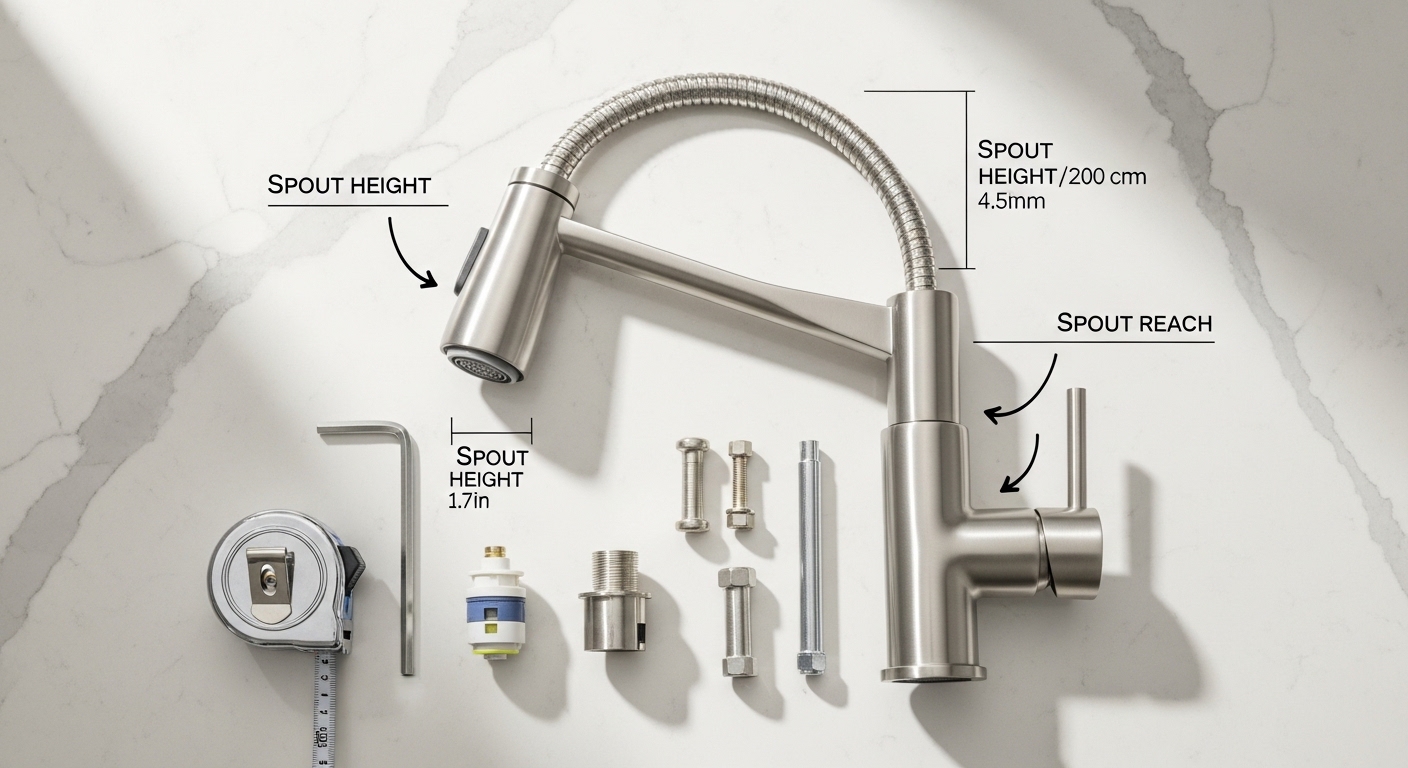
Then measure three things with a tape: the distance from the faucet hole to the wall or backsplash (so the handle can lift without hitting the wall), the height you have available if a window sits behind the sink, and your sink’s depth. Deep 9- to 10-inch bowls pair well with tall gooseneck spouts; shallow bar sinks do not. If you’re unsure whether a specific model will drop into your setup, our guide on what faucet hole size you need and whether it’ll fit your sink walks through the exact measurements.
How do I choose between pull-down, pull-out, and standard spray faucets?
Choose a pull-down for deep single-bowl sinks, a pull-out for shallow or low-clearance sinks under a window, and a standard fixed spout only if you keep a separate side sprayer or rarely fill big pots. The spray style is the feature you’ll touch a hundred times a week, so it matters more than the finish.
Here’s the practical difference. A pull-down has a tall gooseneck and the spray head pulls straight down into the bowl — great reach, great for rinsing large pots, but it needs vertical clearance and can splash in a shallow sink. A pull-out has a lower spout and the head pulls toward you horizontally — better under a window, better for filling pots on the counter, slightly less elegant. A standard spout with no spray is the cheapest and most reliable (fewer moving parts) but the least convenient.
- Deep single bowl, lots of pot washing: pull-down, 8-inch-plus spout height.
- Window behind the sink: pull-out or a low-arc pull-down under about 15 inches total height.
- Two-handle traditional kitchen: bridge faucet or a standard spout with a side sprayer.
- Prep or bar sink: compact single-handle bar faucet.
Also look at the spray head’s internal weight and the hose retraction system — a nylon-braided hose with a magnetic dock snaps the head back into place cleanly, while cheap gravity-ball docks sag over time and leave the head hanging crooked.
Which faucet valve or cartridge type lasts the longest?
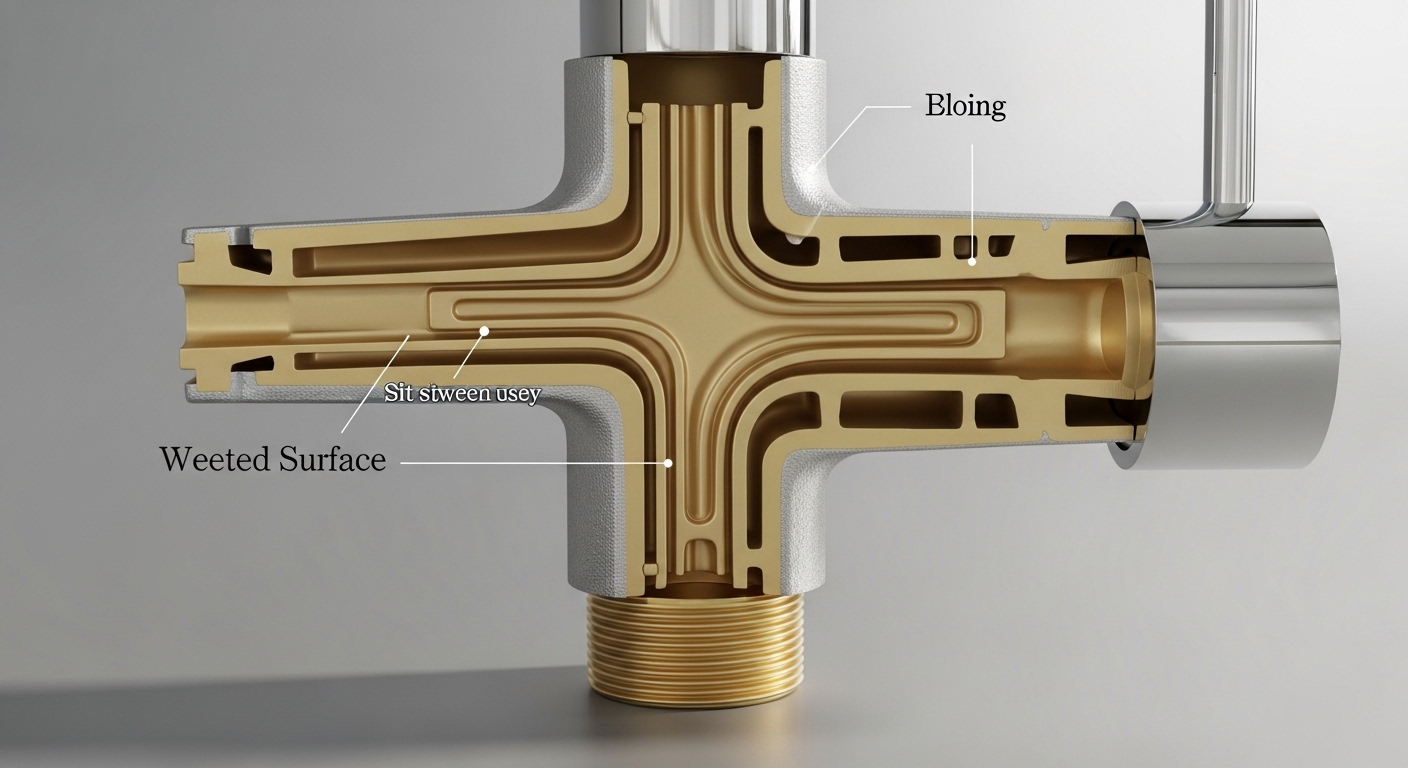
A ceramic disc valve lasts the longest and is what you want in 2026 — it’s rated for hundreds of thousands of on/off cycles and rarely drips. Older ball valves and rubber-compression valves wear out faster and are the usual reason a faucet drips within a year or two.
The cartridge is the heart of the faucet. When a faucet “goes bad,” 90% of the time it’s the cartridge, not the whole unit, which is why a good brand sells replacement cartridges for a decade. Ceramic discs (two polished ceramic plates that slide against each other) shrug off hard-water grit far better than rubber. If a listing won’t tell you the valve type, that’s a small red flag. When the day comes that it does drip, the fix is usually a $15 part — we cover it in our walkthrough on how to replace a kitchen tap cartridge yourself without calling a plumber.
| Valve type | Typical lifespan | Hard-water tolerance | Best for |
|---|---|---|---|
| Ceramic disc | 15–20+ years | Excellent | Everyone; especially hard water |
| Cartridge (brass/plastic) | 8–15 years | Good | Mid-range budgets, easy DIY swaps |
| Ball valve | 5–10 years | Fair | Retro two-handle looks only |
| Compression (rubber washer) | 3–8 years | Poor | Budget or vintage fixtures |
What kitchen faucet finish holds up best, and which ones show spots?
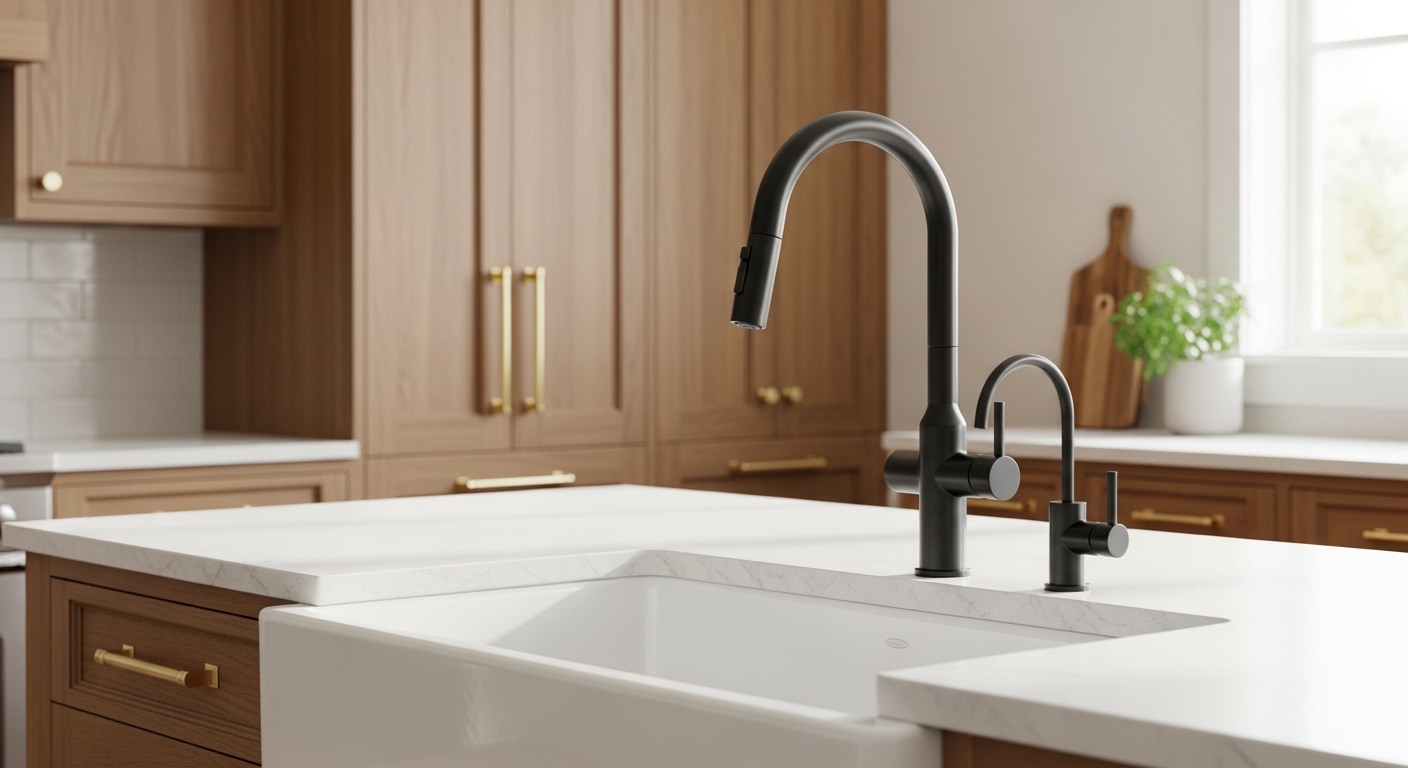
Brushed/satin stainless and matte black hide water spots and fingerprints best; polished chrome and polished nickel look brilliant but show every droplet. For most busy kitchens, a brushed finish is the low-maintenance winner, while polished finishes reward people who wipe the faucet down daily.
Finish is really about two things: how it’s applied and how it wears. Physical Vapor Deposition (PVD) coatings are bonded at a molecular level and resist scratching, corrosion, and discoloration far better than cheap electroplated or painted finishes. When you compare two “matte black” faucets and one is $59 and one is $189, the difference is almost always PVD versus a sprayed coating that chips at the spray head. If you’re weighing the trendy dark look, real owner feedback is worth reading — we rounded it up in what Reddit really says about matte black kitchen faucets, and broader color direction in our 2026 kitchen faucet trends breakdown.
- Brushed nickel / stainless: most forgiving, matches most appliances, timeless.
- Matte black: hides spots well, bold look, insist on PVD.
- Champagne bronze / brushed gold: warm and popular, needs PVD to avoid fading.
- Polished chrome: cheapest to produce, most durable shine, shows every fingerprint.
How much should I actually spend on a kitchen faucet?
Plan on $120–$250 for a genuinely reliable pull-down faucet with a ceramic disc valve, PVD finish, and a real lifetime warranty — that’s the sweet spot. Under about $80 you’re usually paying for plastic internals and a thin finish; over $400 you’re mostly paying for a designer name, not more function.
The price tiers break down cleanly. Below $80, expect plastic waterways, a lightweight spray head, and a finish that may wear at the touch points. In the $120–$250 range you get solid brass or stainless bodies, ceramic disc valves, braided steel supply lines, and warranties that mean something. Above $400 you’re buying premium industrial design, exotic finishes, or “smart” touchless features — nice, but not what makes water come out reliably. For a deeper look at which brands earn their price, see our guides on the most reliable kitchen faucet and the best kitchen faucet companies to buy from in 2026.
One money-saving note: a touchless faucet needs batteries or a plug and adds a solenoid that can fail. It’s a real convenience when your hands are covered in raw chicken, but it’s one more part. Buy it because you want it, not because it’s “premium.”
Does the faucet flow rate and lead-free rating really matter?
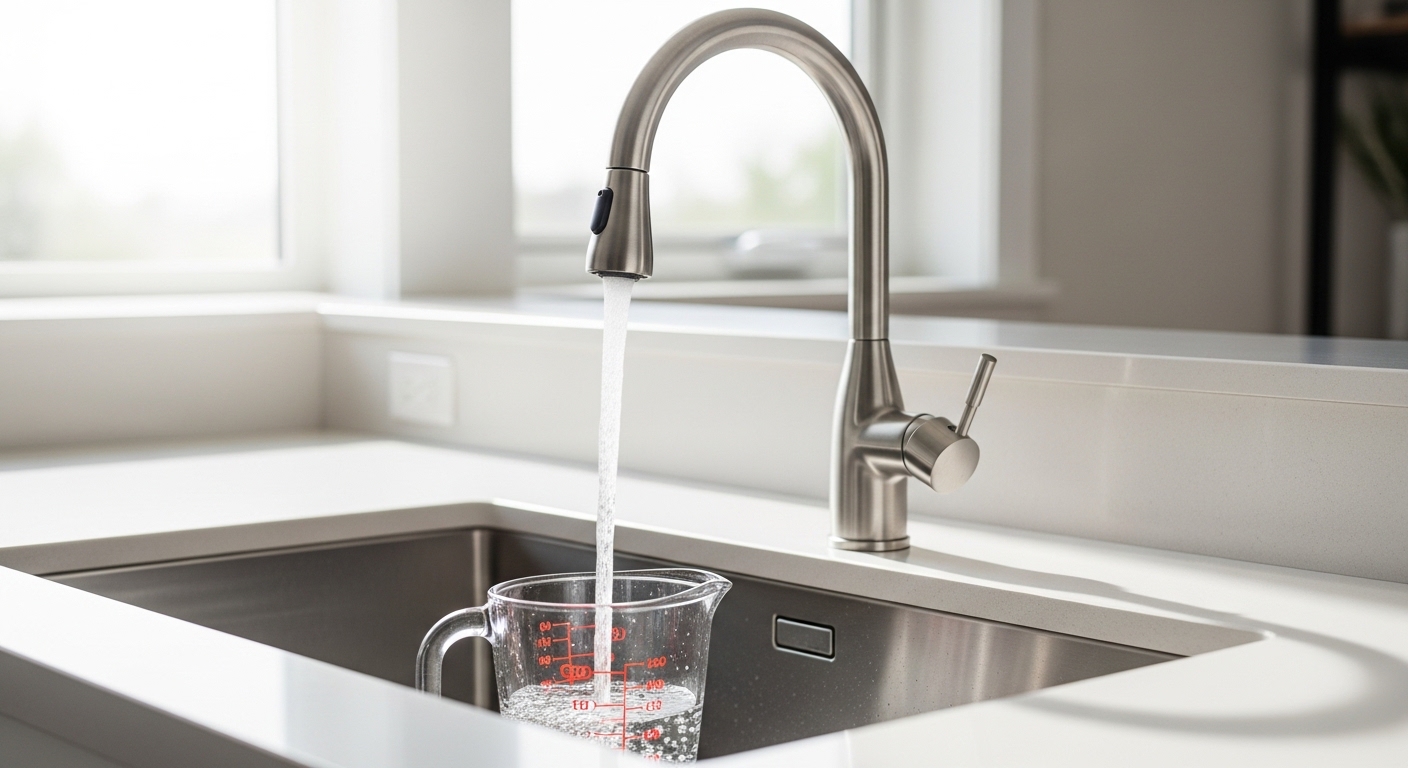
Yes — flow rate affects how fast you fill pots and your water bill, and the lead-free rating affects your drinking water safety, which is non-negotiable. In the U.S., kitchen faucets are capped at 2.2 gallons per minute (gpm), and many efficient models run 1.5–1.8 gpm, which is plenty for a sink while saving water.
Look for a faucet certified to NSF/ANSI 61 and NSF/ANSI 372 (the “lead-free” standard), which limits lead content in the wetted parts to 0.25% or less — the same threshold required by U.S. federal law. A brass body labeled “lead-free brass” is safe; an unlabeled generic import may not be. Because you drink and cook with this water, it’s worth confirming — we explain the details in our piece on whether a lead-free brass kitchen faucet is really safer for your drinking water. If you’re curious how your current flow compares to typical numbers, our overview of the average kitchen tap flow rate gives useful benchmarks.
What are the exact steps to pick the right kitchen faucet?
Follow this order and you won’t get stuck: measure, then mount, then valve, then spray, then finish, then warranty. Doing it in this sequence means you never fall for a faucet that can’t physically fit your sink.
- Count holes and measure. Note hole count, spacing (4″ or 8″), deck-to-wall clearance, and sink depth.
- Pick the mount. Deck-mount single-hole is the safe default; go wall-mount only if your plumbing is already in the wall.
- Choose the valve. Insist on a ceramic disc cartridge.
- Choose the spray. Pull-down for deep bowls, pull-out for windows, standard for simplicity.
- Choose the finish. Brushed for low maintenance, and demand PVD on any color other than chrome.
- Check certification and warranty. NSF/ANSI 61 and 372, plus a lifetime finish-and-function warranty.
If you’re replacing an existing faucet and worried about the plumbing side, most single-hole swaps take under an hour with a basin wrench — our step-by-step on installing kitchen tap mixers yourself covers the connections so you can budget for a DIY install instead of a plumber’s call-out fee.
Single-handle or two-handle: which should you choose?
Choose a single handle for everyday convenience and easier one-hand temperature control; choose two handles only for a traditional or period-style kitchen where the look matters more than convenience. Single-handle faucets are also easier to install (fewer connections) and have fewer places to leak.
The one real advantage of two handles is precise, repeatable temperature — you can set hot and cold exactly and leave them. But in a working kitchen, the single lever wins almost every time because you’re usually operating it with a wrist or an elbow while your hands are full. If resale or a farmhouse aesthetic is the priority, a bridge faucet with two handles is a beautiful statement piece; just know you’re trading a bit of daily ease for it.
A quick word on brand credibility, testing, and warranty
Author note: This guide was written by the aleashafaucet product team — the same people who spec, pressure-test, and cycle-test the faucets we sell. We bench-test cartridges to the industry-standard 500,000 open/close cycles and salt-spray-test finishes for corrosion resistance before a model earns a spot in our lineup. Every kitchen faucet we carry ships with lead-free, NSF/ANSI 61 and 372 certified waterways and is backed by a limited lifetime warranty on the finish and the valve. That warranty is the single best proxy for quality you have as a buyer: a company that will replace a cartridge for free in year twelve has built the faucet to reach year twelve. When you’re comparing two similar-looking faucets, read the warranty terms first — it tells you what the manufacturer actually believes about its own product.
FAQ
What is the most important factor when selecting a kitchen faucet?
Fit comes first — the number and spacing of your sink’s mounting holes and the clearance around the sink. A faucet that doesn’t physically fit means drilling stone or returning it. After fit, the valve type (ceramic disc) matters most for long-term reliability.
Is a pull-down or pull-out kitchen faucet better?
Pull-down is better for deep single-bowl sinks and washing large pots because of its tall spout and straight-down spray. Pull-out is better under a window or in a shallow sink because the lower spout needs less vertical clearance and the head pulls toward you for filling pots on the counter.
What kitchen faucet finish is easiest to keep clean?
Brushed or satin finishes — brushed nickel, brushed stainless, and matte black — hide water spots and fingerprints best and need the least wiping. Polished chrome and polished nickel look brilliant but show every droplet, so they suit people who wipe the faucet down daily.
How long should a good kitchen faucet last?
A quality kitchen faucet with a ceramic disc valve and a solid brass or stainless body should last 15 to 20 years or more. The finish and cartridge are the parts that eventually wear, and both are covered under a genuine lifetime warranty and are usually replaceable without buying a whole new faucet.
Do I need a plumber to install a kitchen faucet?
Usually no. Most single-hole deck-mount faucets install in under an hour with a basin wrench and the braided supply lines that come in the box. Two-handle and wall-mount faucets are more involved. If your shutoff valves are old or seized, that’s the main reason to call a pro.
How much should I spend to get a reliable kitchen faucet?
Budget $120 to $250 for a reliable pull-down faucet with a ceramic disc valve, a PVD finish, and a lifetime warranty. Below about $80 you typically get plastic internals and a thin finish; above $400 you’re mostly paying for designer styling or smart features rather than better basic function.
What certifications should a safe kitchen faucet have?
Look for NSF/ANSI 61 (drinking water safety) and NSF/ANSI 372 (lead-free, meaning 0.25% or less lead in wetted parts). These match U.S. federal lead-free law. A faucet labeled “lead-free brass” with these certifications is safe for cooking and drinking water; unlabeled generic imports may not be.