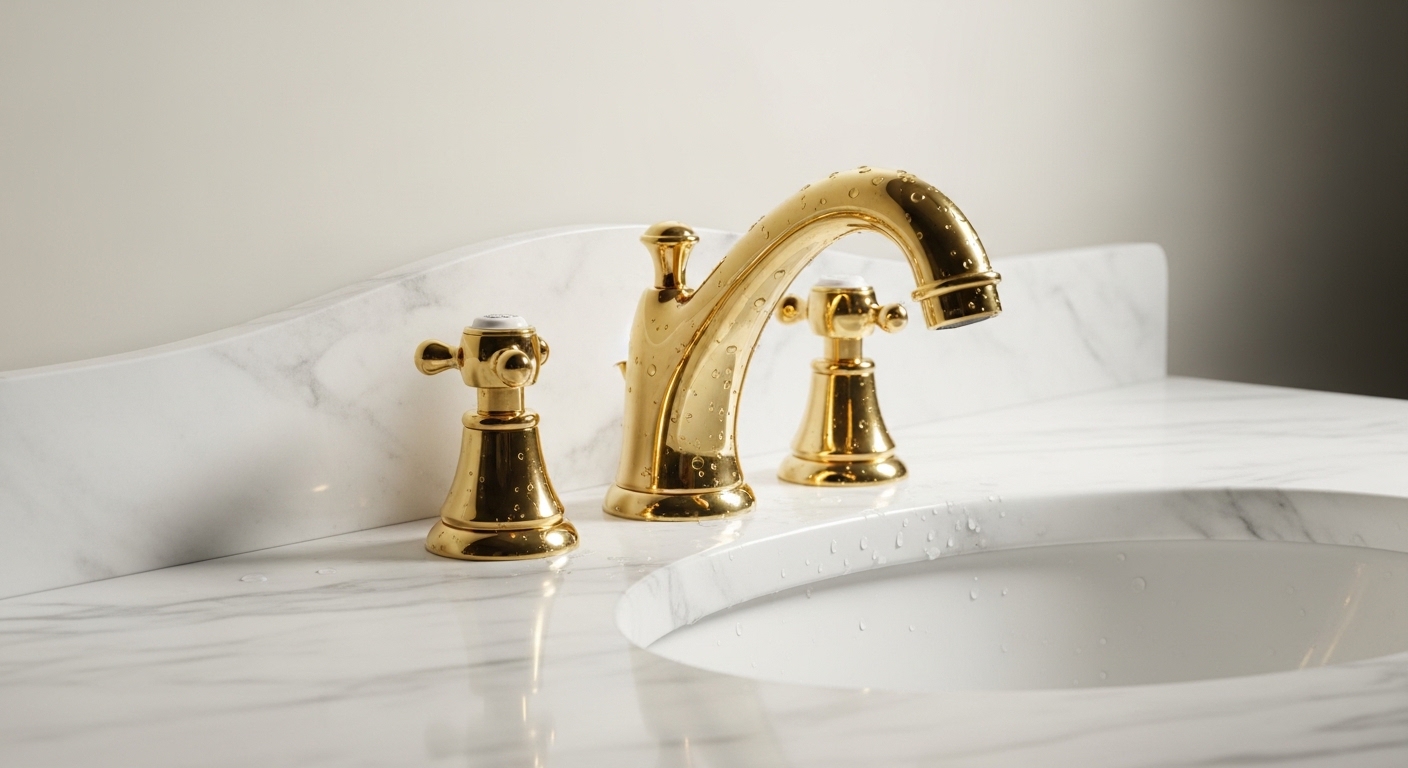
If you’ve been hunting for the best unlacquered brass bathroom faucet, you’ve probably noticed two things: people are obsessed with the patina, and almost nobody explains what you’re actually signing up for. Unlacquered brass is “living” metal — there’s no clear coat sealing the surface, so it reacts with air, water, oils from your hands, and time. That’s the whole point. It starts bright and golden, then slowly tarnishes into a deep, uneven, antique bronze-gold that looks like it’s been in a historic home for a century. This guide answers the real questions buyers ask before they spend the money: which faucets are genuinely worth it, how the patina behaves, what it costs, and how to avoid the cheap “brass-look” traps.
What exactly is an unlacquered brass faucet, and how is it different from “brass-finish”?
An unlacquered brass faucet is made of solid brass with no protective lacquer or PVD coating on top, so the bare metal is exposed and free to patina. A “brass-finish” or “brushed brass” faucet, by contrast, is usually a different base metal (zinc alloy or steel) with a thin gold-toned coating applied over it — it’s designed to stay looking the same forever and will never patina.
This distinction is everything. With unlacquered brass, the color you buy is just the starting point. The metal is the finish, all the way through, so a scratch doesn’t reveal a different material underneath — it just becomes part of the aging story. Here’s how the common “brass” options actually compare:
| Type | Base material | Coating | Patinas over time? | Typical price (bath faucet) |
|---|---|---|---|---|
| Unlacquered (raw) brass | Solid brass | None | Yes — naturally darkens | $180–$600 |
| Lacquered brass | Solid brass | Clear lacquer | No — sealed | $150–$500 |
| PVD brushed/satin brass | Brass or zinc | PVD (very durable) | No — stays uniform | $120–$450 |
| “Brass-look” plated | Zinc alloy/steel | Thin electroplate | No — can chip/flake | $40–$120 |
If a “brass” faucet is selling for $50 and weighs almost nothing in your hand, it’s almost certainly plated zinc, not solid brass. Real unlacquered brass has heft. For the deeper material rundown, our guide on how to identify lead-free bathroom faucets is worth reading before you buy, because solid-brass quality and lead content go hand in hand.
Is an unlacquered brass bathroom faucet actually worth it in 2026?
Yes — if you genuinely want a patina and you’re not the type who panics when metal looks “used.” Unlacquered brass is worth it for anyone chasing an authentic vintage, traditional, English-country, or warm-modern look, because no sealed finish can fake a real, hand-touched patina. It is not worth it for someone who wants a faucet that looks identical on day 1,000 as it did on day one.
The reason designers keep specifying unlacquered brass is character. The patina forms unevenly: high-touch zones (the handles, the lever) stay brighter from constant polishing by your hands, while the spout and base darken. That contrast is what makes the faucet read as “real brass” instead of “gold paint.” It’s the same warm-metal trend driving demand for gold tones generally — see our take on whether brushed gold finish is out of style in 2026 — but unlacquered brass is the most committed, most authentic version of that look.
- Buy it if: you love antique/vintage aesthetics, you want a finish that ages and tells a story, and low-maintenance “perfection” isn’t your goal.
- Buy it if: you want a finish that’s repairable — you can always polish it back to bright, or let it go dark again.
- Skip it if: you need a perfectly consistent, matching set of fixtures that never changes.
- Skip it if: uneven darkening or water spots will genuinely bother you every morning.
How fast does unlacquered brass patina, and what will it look like?
Unlacquered brass starts visibly changing within 2–4 weeks and develops a rich, settled patina over 6–18 months, depending on your water, humidity, and how often you touch and clean it. The progression goes from bright yellow-gold → dulling matte gold → warm amber → deep antique bronze-gold with darker recesses.
A few real-world factors speed it up or slow it down:
- Humidity: a steamy bathroom patinas faster than a dry powder room.
- Water chemistry: hard water leaves mineral spotting; high-mineral water can mottle the surface more dramatically.
- Hand contact: oils and acids from skin accelerate and personalize the patina — fingerprints literally become part of the look on the handles.
- Cleaning habits: the more you polish, the brighter it stays; leave it alone and it darkens.
One important note: patina is a surface oxidation layer, not corrosion eating into the metal. Solid brass doesn’t rust. But it can get genuine grime or green verdigris if water is allowed to sit in crevices for long periods, which is different from the desirable warm patina. If you want to understand the line between “beautiful aging” and “actual damage,” our article on why bathroom faucets corrode and how to prevent it explains what to watch for.
What should I look for when buying the best unlacquered brass bathroom faucet?
Look for four things: solid-brass construction confirmed by the seller, a ceramic-disc cartridge, a low-lead/lead-free certification, and a real warranty. Everything else — spout shape, handle style, single vs. widespread — is preference. Those four are what separate a $400 heirloom from a $60 disappointment that flakes in a year.
Here’s what each one buys you:
- Solid brass body (not plated): This is non-negotiable for an unlacquered faucet. Plated faucets have nothing to patina into — once the thin coat wears, you get blotchy bare zinc. Ask directly: “Is the entire body solid brass?”
- Ceramic-disc cartridge: This is the valve that controls flow and temperature. Ceramic discs are smooth for 500,000+ cycles and resist hard-water wear far better than old rubber-washer designs. It’s the difference between a faucet that never drips and one you’re repairing in two years.
- Lead-free / low-lead certification (NSF/ANSI 372, meeting the U.S. 0.25% weighted-average lead rule): Brass naturally contains some lead; quality faucets use certified low-lead alloys. Don’t skip this — it’s a health issue, not a luxury.
- Warranty + finish disclaimer: Reputable brands warranty the function (cartridge, body) for years but explicitly state the finish is meant to change. That disclaimer is actually a good sign — it means it’s genuinely unlacquered.
Configuration matters for fit, too. A standard widespread faucet needs three holes drilled 8 inches apart; a centerset fits 4-inch spacing; a single-hole faucet needs just one. Measure your sink or countertop holes before you fall in love with a style. If you’re going for a wall-mounted vintage look over a vessel sink, our guide on the wall mount faucet vessel sink decision covers the rough-in considerations that trip people up.
How do I clean and maintain unlacquered brass — or should I leave it alone?
The honest answer: you mostly leave it alone, and that’s the appeal. Just wipe it dry after use to avoid hard-water spots, and only polish it if and when you want to bring back the shine. There’s no special sealant to reapply and no coating to baby.
Your two maintenance modes:
- “Let it live” (low effort): Wipe with a soft dry cloth after use to prevent mineral spotting. Do nothing else. It will darken evenly into antique brass. This is what most unlacquered-brass buyers do.
- “Keep it bright” (occasional effort): Every few weeks, use a dedicated brass polish (Brasso, Wright’s, Bar Keepers Friend, or a lemon-and-salt paste) to lift the patina and restore the gold shine. Then it starts patinating again — you control the cycle.
Avoid abrasive scrubbers and harsh bathroom chemicals like bleach or anything acidic-and-aggressive on a daily basis — those create blotchy, uneven results rather than a smooth patina. The maintenance mindset is almost identical to caring for any warm gold-toned fixture; our piece on how to keep gold finish faucets looking new applies directly if you decide you’d rather keep yours bright.
Unlacquered vs. lacquered brass: which should you actually choose?
Choose unlacquered brass if you want the patina and the authenticity; choose lacquered brass if you want the warm gold color frozen permanently. Neither is “better” — they’re answers to different questions. Lacquered brass keeps its showroom shine because a clear coat blocks oxidation, but that same coat can eventually scratch, cloud, or wear unevenly in high-use spots, and you can’t easily polish through it.
| Question | Unlacquered brass | Lacquered brass |
|---|---|---|
| Appearance over time | Patinas, ages, deepens | Stays bright and uniform |
| Maintenance | Optional polishing; very forgiving | Avoid abrasives that scratch the coat |
| Scratches | Blend into patina, repairable | Can expose dull spots, hard to fix |
| Best for | Vintage, antique, characterful baths | Glam, consistent, low-change looks |
| Risk | Uneven darkening if you dislike patina | Lacquer failure looks worse than patina |
For a period bathroom — clawfoot tub, traditional vanity, vintage tile — unlacquered brass is the more authentic, more rewarding choice, and it pairs beautifully with the kind of fixtures covered in our vintage shower system guide. For a high-glam modern bathroom where consistency is the goal, lacquered or PVD brass usually wins.
How much should I budget for a quality unlacquered brass bathroom faucet?
Budget $180–$600 for a genuinely solid-brass, ceramic-cartridge bathroom faucet from a reputable maker, with most quality widespread models landing around $250–$400. Below roughly $150, you’re at high risk of plated zinc dressed up as “brass,” which defeats the entire purpose since there’s nothing real to patina.
Quick budget framework:
- $40–$120: Almost always plated “brass-look.” Avoid for an unlacquered project.
- $180–$280: Entry-level genuine solid brass, single-hole or centerset, ceramic cartridge.
- $280–$450: The sweet spot — solid brass widespread sets, better cartridges, classic spout/handle designs.
- $450–$600+: Heirloom-grade, heavier castings, designer styling, longer warranties.
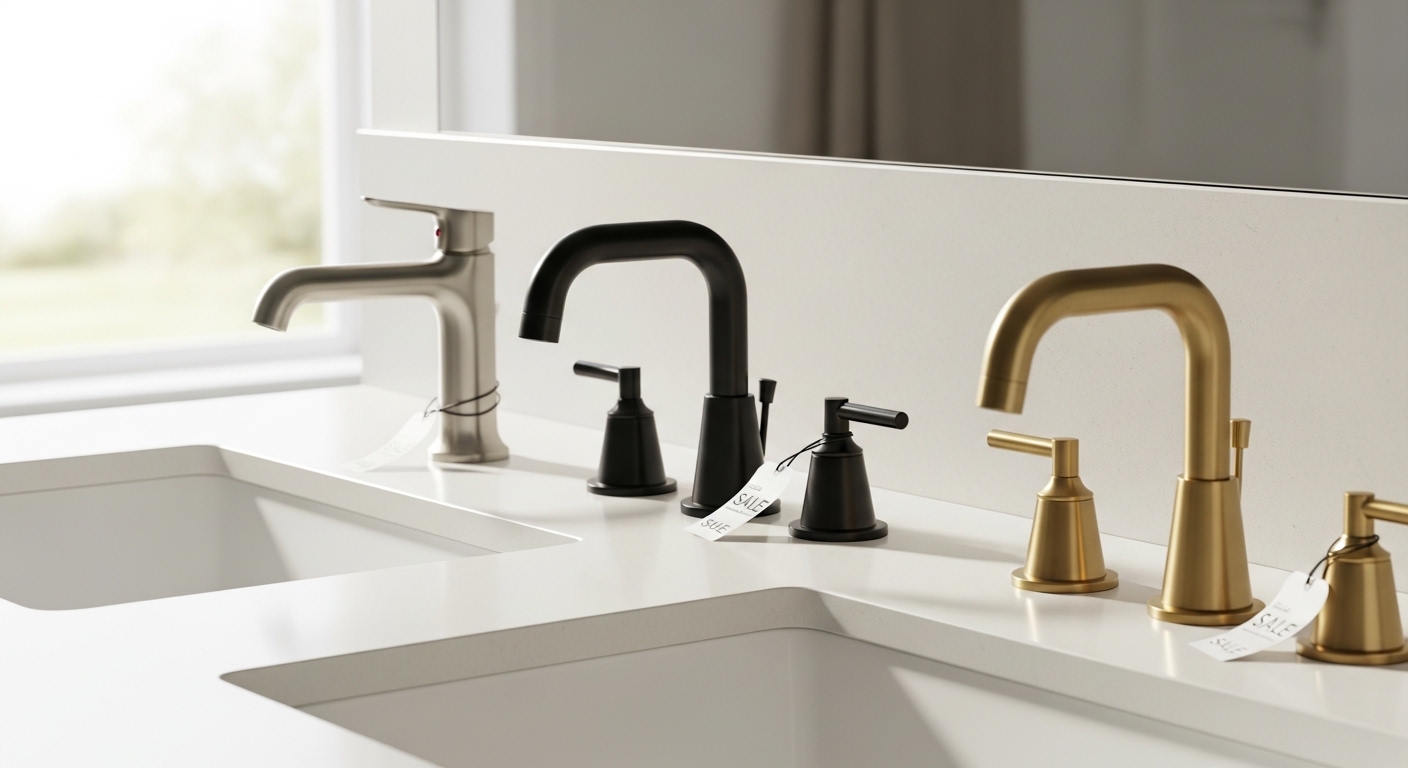
Remember the lifetime math: a solid-brass unlacquered faucet can be polished or left to age indefinitely, so a $350 fixture you keep for 20 years is cheaper per year than a $90 plated one you replace twice when the coating flakes. If you’re price-shopping broadly, our roundup of the best bathroom faucets on sale right now can help you time a purchase without overpaying.
A note from our team (E-E-A-T)
Author: This guide was written by the aleashafaucet product team — specialists who source, pressure-test, and photograph bathroom fixtures for a living. We’ve handled hundreds of brass faucets across plated, lacquered, PVD, and raw finishes, and we’ve watched unlacquered samples patina in our own showroom and test baths over multiple years.
Brand credibility: aleashafaucet (see our standards for a quality bathtub faucet) curates faucets built from certified solid brass, and we publish the unglamorous details — cartridge type, lead certification, real weight — because that’s what separates an heirloom from a letdown.
Testing & standards: Faucets we recommend use ceramic-disc cartridges validated to hundreds of thousands of open/close cycles, meet U.S. low-lead requirements (NSF/ANSI 372, the 0.25% weighted-average lead rule), and carry manufacturer warranties on the body and cartridge — with the finish explicitly noted as a living surface meant to patina, not a defect.
FAQ
Will an unlacquered brass faucet turn green or corrode?
It can develop small green verdigris spots only if water is repeatedly allowed to pool and sit in crevices for long periods — but the normal warm patina is harmless surface oxidation, not corrosion, and solid brass never rusts. Wiping the faucet dry after heavy use prevents the green entirely.
Can I make my unlacquered brass faucet stop changing color?
Not permanently without re-coating it. You can slow the patina by polishing regularly and keeping it dry, but if you truly want a fixed color, you’d be happier buying a lacquered or PVD brass faucet from the start. Unlacquered brass is designed to change.
Is unlacquered brass harder to keep clean than chrome or nickel?
It’s different, not harder. There’s no coating to scratch, so it’s actually very forgiving — a dry wipe handles daily care, and you only polish when you want shine. The trade-off is that hard-water spots show more on bright brass than on brushed finishes, so a quick wipe-down helps.
Does unlacquered brass work in a humid, hard-water bathroom?
Yes, and it often looks best there because humidity and minerals accelerate a rich patina. The only upkeep is wiping away standing water so you get even darkening instead of blotchy mineral crust. Hard water won’t damage solid brass — it just spots the surface.
Is unlacquered brass a healthy, lead-safe choice for a bathroom faucet?
A quality unlacquered brass faucet certified to NSF/ANSI 372 and meeting the U.S. 0.25% low-lead standard is safe for everyday bathroom use. The “unlacquered” part refers only to the outside finish; the internal waterways are the same certified low-lead brass used in coated faucets. Always confirm the lead certification before buying.
Will all my unlacquered brass fixtures patina to match each other?
Roughly, but not identically — and that’s intentional. Each piece ages based on how much it’s touched and how wet it gets, so a faucet handle may stay brighter than a nearby towel ring. Most people love this lived-in cohesion; if you need perfectly matched metals, unlacquered brass isn’t the right pick.