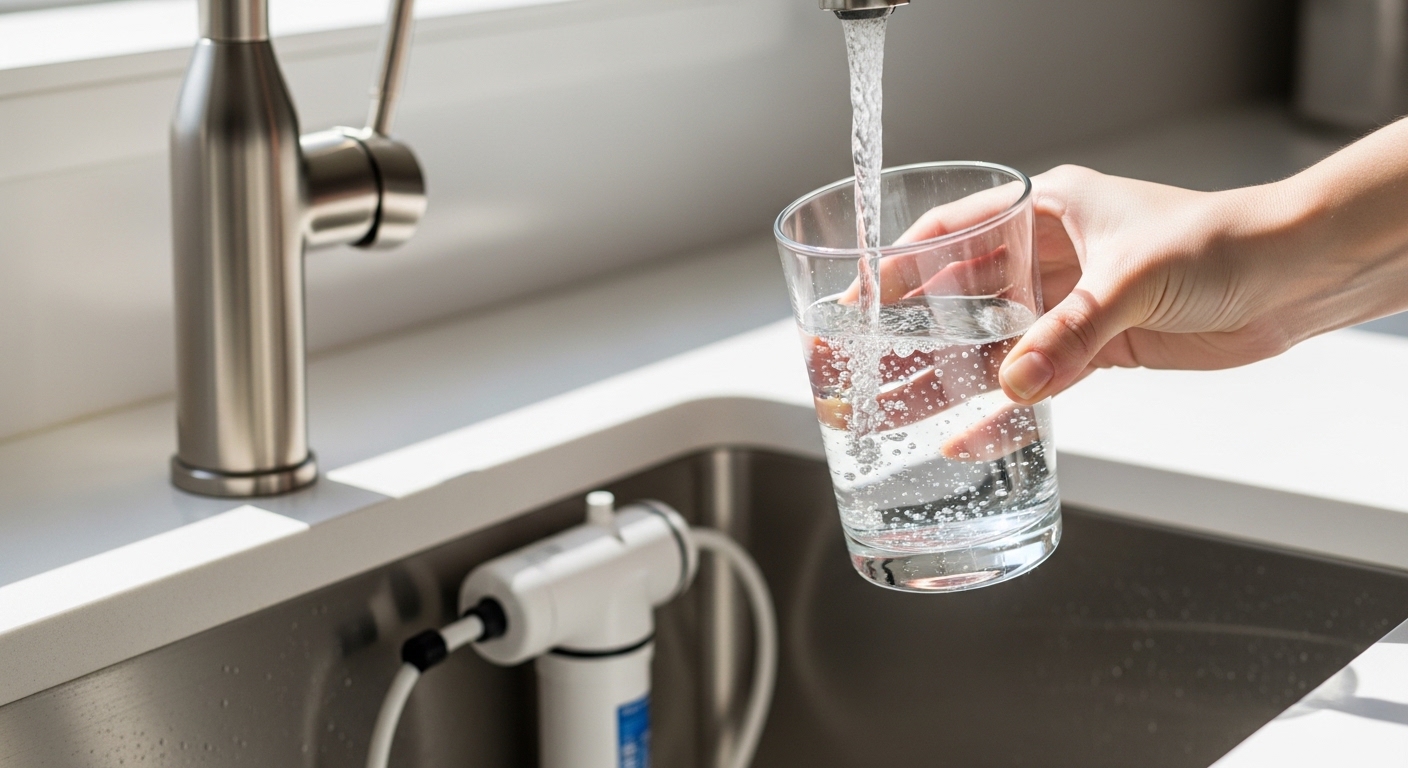
If you’ve started researching tap water filter options, you’ve probably noticed how quickly the choices pile up — pitchers, faucet-mount adapters, under-sink cartridges, reverse osmosis tanks, and built-in filter faucets all promise cleaner water. The truth is that no single system is “best” for everyone. The smartest pick depends on what’s actually in your water, how much flow you need, and whether you want a filter you can screw on in two minutes or a permanent fixture plumbed into your supply line.
At aleashafaucet, we design and test faucets and bathroom fixtures every day, so we look at filtration the way a plumber and a product engineer would: function first, finish second. This guide walks through each category, compares them side by side, and helps you decide which setup belongs in your home.
Why Tap Water Filter Options Matter for Your Home
Municipal water is treated to be safe, but “safe” and “ideal” aren’t the same thing. Chlorine, chloramine, sediment, lead leached from old service lines, and that faint metallic taste can all survive the trip to your tap. Well water adds its own concerns — hardness, iron, and bacteria among them.
Filtration sits between your plumbing and your glass. Choosing among tap water filter options isn’t just about taste; it’s about protecting your family, your appliances, and even the lifespan of your faucet cartridges, which wear faster when sediment is present.
Start With a Water Test
Before you buy anything, find out what you’re filtering. Your city publishes an annual Consumer Confidence Report, and inexpensive home test kits measure hardness, chlorine, lead, and pH. A reverse osmosis system is overkill if your only complaint is chlorine taste — and useless logic runs the other way too. Test first, then match the technology to the problem.
The Main Types of Tap Water Filters
Here’s where the real decision-making happens. Each format trades convenience for capacity, cost, or contaminant coverage.
1. Water Filter Pitchers
The entry point. A pitcher uses a gravity-fed carbon cartridge to cut chlorine taste and odor. It’s cheap, needs zero installation, and fits in a refrigerator door. The downsides: small batch sizes, frequent cartridge changes, and limited contaminant range. Pitchers are a fine starting point but rarely a long-term answer for a busy household.
2. Faucet-Mount Filters
These screw directly onto your faucet aerator and let you switch between filtered and unfiltered water with a small lever. They filter on demand, cost little, and install in minutes with no tools. The trade-off is aesthetics and flow — a bulky plastic housing on an otherwise sleek faucet, plus a noticeable drop in pressure. They also won’t fit pull-down or pull-out spray heads.
3. Under-Sink Filter Systems
An under-sink system hides a cartridge (or several) in the cabinet and feeds water either to your main faucet or to a dedicated dispenser. Capacity is high, cartridge life is long, and nothing clutters your countertop. Installation is more involved — you’ll tap the cold supply line — but it’s well within reach for a confident DIYer.
4. Reverse Osmosis (RO) Systems
RO pushes water through a semipermeable membrane that removes dissolved solids, lead, fluoride, arsenic, and more. It produces the purest water of any common option. The catches: it’s slower, it sends some water to the drain as brine, and it strips beneficial minerals, so many systems add a remineralization stage. RO almost always pairs with a dedicated air-gap faucet.
5. Whole-House Filtration
Installed where the main line enters your home, a whole-house system filters every tap, shower, and appliance. It’s the right call for sediment-heavy well water or homes with hard water damaging fixtures. It’s also the biggest investment and usually a job for a licensed plumber.
6. Dedicated Filter Faucets
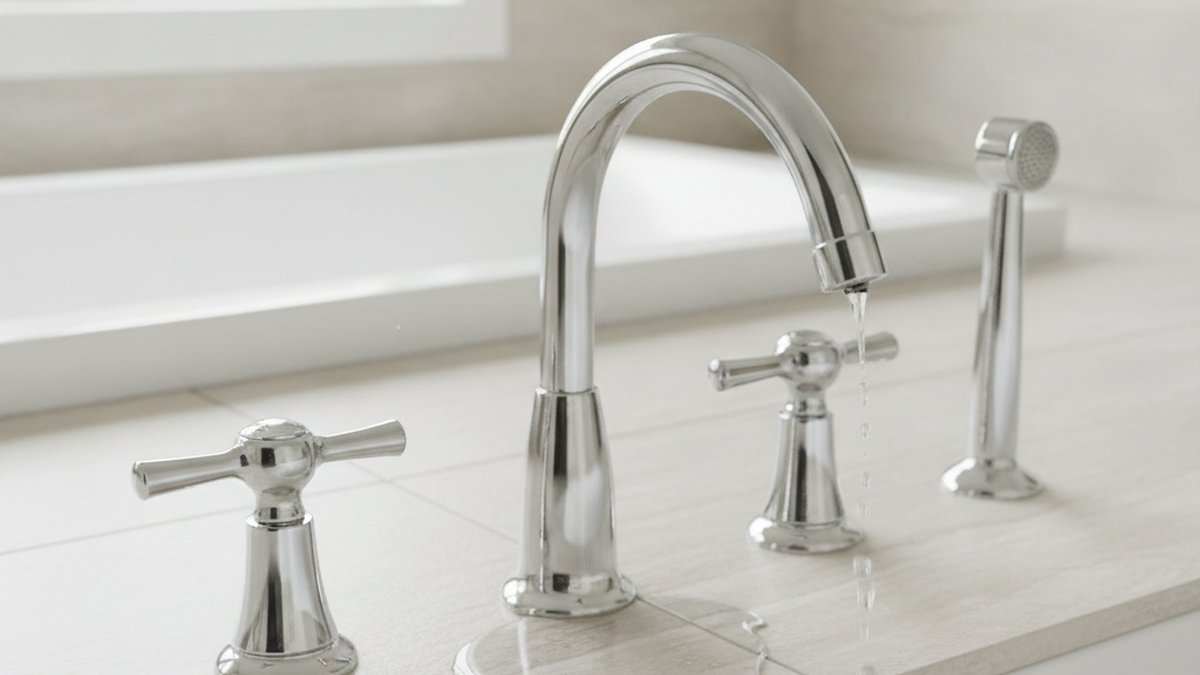
A filter faucet is a purpose-built fixture — often a separate, slimmer spout beside your main faucet — engineered to deliver filtered water without compromising the look of your sink. It’s the most elegant solution and the one closest to our wheelhouse. If you’re weighing this route, our breakdown of how filter faucets compare to standard faucets goes deeper on the differences.
Tap Water Filter Options Compared: A Side-by-Side Table
| Filter Type | Upfront Cost | Installation | Contaminant Range | Best For |
|---|---|---|---|---|
| Pitcher | $ | None | Chlorine taste/odor, some lead | Renters, small households, trial use |
| Faucet-Mount | $ | Tool-free, 5 min | Chlorine, sediment, some lead | Quick upgrade without plumbing |
| Under-Sink | $$ | Moderate DIY | Chlorine, sediment, lead, VOCs | Families wanting capacity + clean counters |
| Reverse Osmosis | $$$ | Advanced DIY / pro | Dissolved solids, lead, fluoride, arsenic | Poor water quality, drinking-water purity |
| Whole-House | $$$$ | Professional | Sediment, chlorine, hardness (with softener) | Well water, hard water, every-tap coverage |
| Dedicated Filter Faucet | $$–$$$ | Moderate DIY / pro | Depends on paired cartridge | Style-conscious kitchens, permanent solution |
How to Choose Among Tap Water Filter Options
With the landscape mapped, narrow it down using these practical filters of your own.
- Match the technology to your test results. Carbon handles taste and chlorine; RO handles dissolved solids and heavy metals; sediment pre-filters handle grit. Don’t pay for capability you don’t need.
- Consider flow rate. A filter that chokes your faucet to a trickle gets bypassed within a week. Under-sink and filter-faucet setups preserve pressure far better than faucet-mount units.
- Factor in cartridge cost over time. A cheap unit with expensive, short-lived cartridges can cost more across three years than a pricier system with annual cartridges.
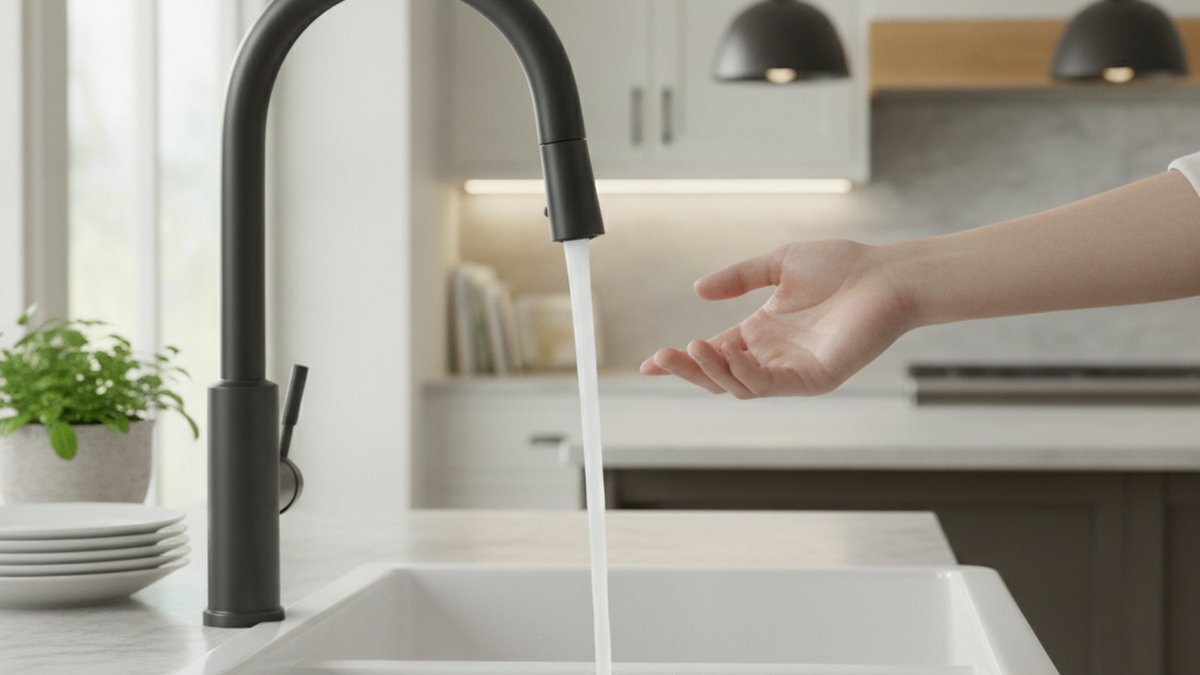
- Think about your faucet style. Pull-down sprayers and touchless faucets won’t accept faucet-mount filters — an under-sink or dedicated faucet is the only clean option.
- Look for third-party certification. NSF/ANSI 42 covers taste and odor; NSF/ANSI 53 covers health contaminants like lead; NSF/ANSI 58 covers reverse osmosis. Certification is your proof the claims hold up.
Installation and Maintenance Realities
Every filter is only as good as its upkeep. A neglected cartridge doesn’t just stop filtering — it can become a breeding ground for bacteria and actually worsen your water.
Installation Effort by Type
Pitchers and faucet-mount units need no plumbing. Under-sink systems and dedicated filter faucets require tapping the cold-water supply and, in some cases, drilling a sink hole for a second spout — manageable for a DIYer comfortable with compression fittings and a basin wrench. Reverse osmosis and whole-house systems are best left to a professional unless you have plumbing experience.
A Simple Maintenance Routine
- Mark cartridge change dates on a calendar — don’t rely on taste alone, since contaminant removal degrades before flavor does.
- Flush a new cartridge for the manufacturer’s recommended time before drinking.
- Sanitize housings and dispensers periodically with the maker’s instructions.
- Check fittings for leaks during the first week after any install.
- Keep spare cartridges on hand so a lapse never tempts you to skip a change.
If your water sat unused for a while — after a vacation, say — it’s worth knowing how to flush bathroom faucets for clean water before relying on the first draw.
Filtration and Faucet Health Go Together
Here’s something most filter guides miss: clean water protects your fixtures, and the right fixtures protect your water. Sediment accelerates wear on faucet cartridges and aerators. Meanwhile, the faucet itself should never be the source of contamination — which is why material matters as much as filtration.
If lead is on your radar, the faucet body is part of the equation, not just the filter. Our guide on how to identify lead-free bathroom faucets explains what certifications and markings to look for so your fixture isn’t quietly undoing your filter’s work.
Common Mistakes to Avoid
A few missteps come up again and again when shoppers compare tap water filter options:
- Buying the strongest system “just in case.” RO for a chlorine-only complaint wastes water and money.
- Ignoring flow rate. The best filter is the one you’ll actually keep using.
- Skipping certification. Uncertified “filters” may do little beyond marketing.
- Forgetting cartridge logistics. Confirm replacements are easy to find and reasonably priced.
- Mismatching the filter to the faucet. Measure your aerator threads and check sprayer compatibility before ordering.
Which Option Is Right for You?
If you rent or want a low-commitment trial, start with a pitcher or faucet-mount unit. If you own your home and want capacity without countertop clutter, an under-sink system is the sweet spot for most families. If your water tests poorly for dissolved solids or heavy metals, invest in reverse osmosis. If you have well water or hard water damaging fixtures throughout the house, whole-house filtration earns its cost. And if you want filtered water that looks intentional — not bolted-on — a dedicated filter faucet is the most refined of all the tap water filter options available today.
FAQ
Do tap water filters remove lead?
Some do. Look specifically for products certified to NSF/ANSI 53 for lead reduction — not all carbon filters qualify. Reverse osmosis systems also remove lead effectively. Pair any filter with a lead-free faucet so the fixture itself isn’t a contamination source.
How often should I replace my filter cartridge?
It depends on the cartridge and your water volume, but ranges are typically two to three months for faucet-mount filters, six to twelve months for under-sink cartridges, and one to two years for RO membranes. Follow the manufacturer’s gallon rating rather than waiting for a taste change.
Will a tap water filter reduce my water pressure?
Faucet-mount filters cause the most noticeable pressure drop because water is forced through a small carbon block at the tap. Under-sink and dedicated filter faucet systems preserve flow much better since they use larger cartridges and proper supply-line connections.
Are dedicated filter faucets worth it over a faucet-mount filter?
If you value a clean, integrated look and a permanent solution, yes. A dedicated filter faucet keeps your main faucet uncluttered, generally offers better flow, and works with pull-down and touchless faucets that can’t accept a screw-on filter. The trade-off is a more involved installation.
Can I install an under-sink filter myself?
Most confident DIYers can. You’ll connect to the cold-water supply with a saddle valve or tee fitting and, for a separate dispenser, may need to drill a sink hole. If your system is reverse osmosis or involves the main line, hiring a licensed plumber is the safer choice.
Does filtered water taste different from bottled water?
Often it tastes cleaner. Carbon filtration removes the chlorine that causes most “tap” flavor, while RO removes dissolved solids for a very neutral taste. Many RO systems add a remineralization stage to restore the subtle mineral flavor people associate with quality bottled water.
About the Author
This guide was written by the aleashafaucet product content team, drawing on input from our fixture engineers and plumbing specialists. aleashafaucet designs, tests, and sells faucets and bathroom fixtures built to recognized industry standards — every fixture we ship is pressure-tested and backed by our manufacturer warranty. We focus on helping homeowners make informed, lasting choices rather than chasing trends. For product-specific questions, our support team is available through www.aleashafaucet.com.