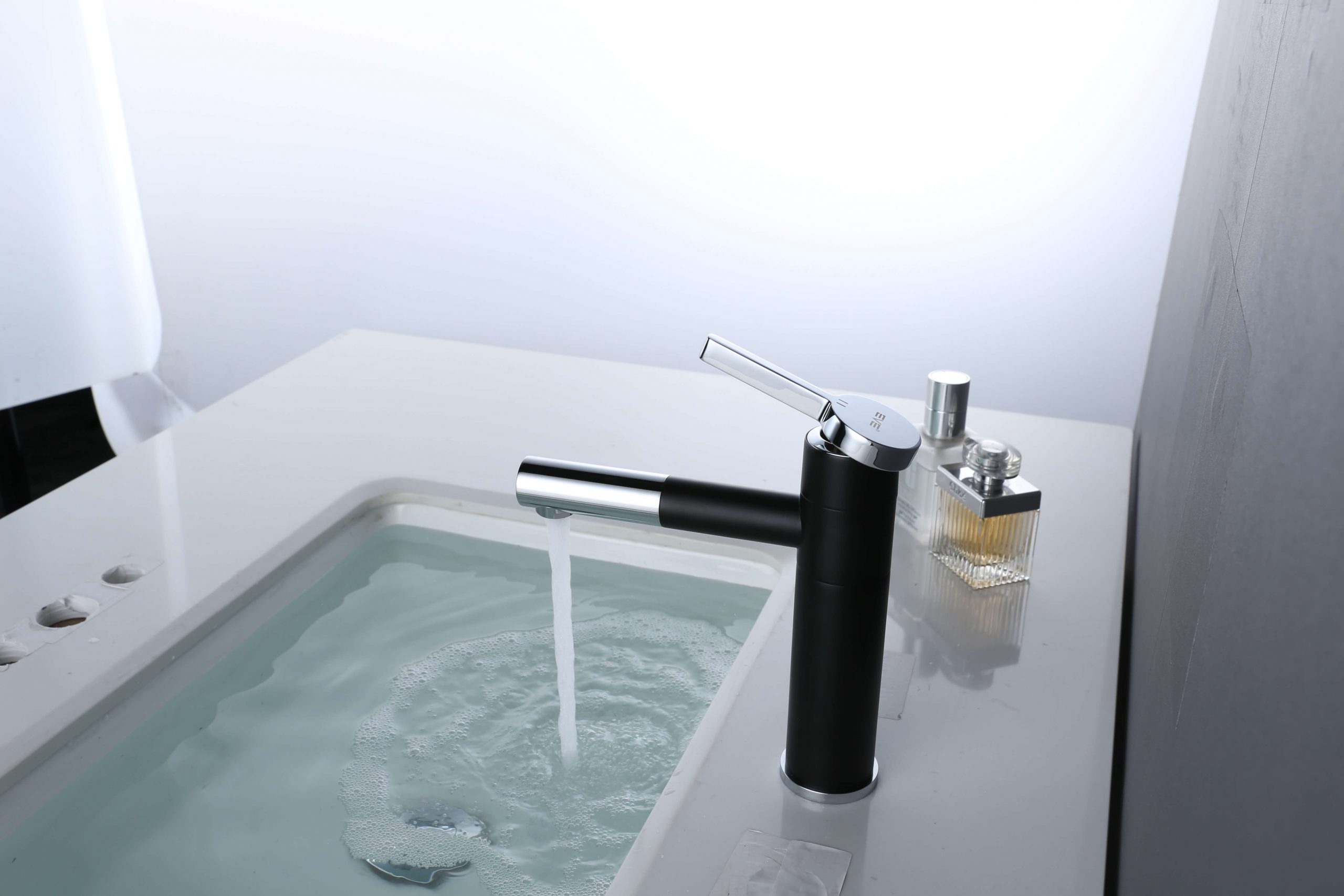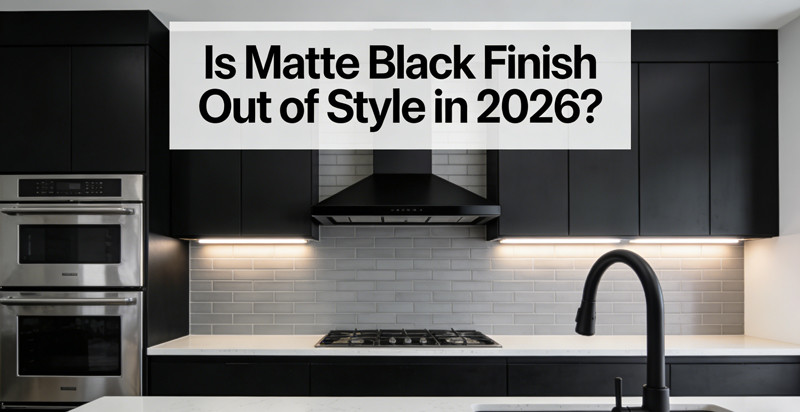
Matte black has been everywhere for well over a decade — from kitchen faucets and fixtures, to hardware, appliances, cars, tech gadgets, and even fashion. For years designers and homeowners alike treated it as the ultimate modern finish: sleek, minimalist, bold, and effortlessly cool. But in 2026, that ubiquity itself is prompting a re-evaluation: is matte black still stylish, or has it already peaked? The honest answer is nuanced — it’s not universally out of style, but its dominance is fading as designers seek richer, warmer, and more layered aesthetics.
1. Why Matte Black Became a Dominant Finish
To understand where matte black stands today, it helps to look at how it got here. Over the past decade, matte black exploded in popularity because it did several things designers valued:
- Creates sharp contrast: Black hardware against light cabinetry or walls creates a refined, graphic statement.
- Feels modern and minimal: The absence of shine reinforces simplicity and clean lines.
- Translates across categories: It went from hardware to appliances to cars and tech gear, becoming a cohesive finish language.
That broad acceptance helped matte black move from trend to what many initially thought was a new classic.
2. Signals Matte Black Has Peaked
A. Interior design trends are shifting
By 2025 and now into 2026, multiple trend reports and design experts note that matte black — especially in kitchens and bathrooms — is losing its front-of-mind status. Designers and trend forecasters are moving toward finishes that feel warmer and more distinctive.
Specifically:
- Matte black hardware and fixtures are increasingly described as over-used, saturated, or cold — especially when applied everywhere in a space.
- Warmer metals like aged brass, champagne bronze, soft gold, and warm pewter are gaining favor because they bring depth and comfort to interiors.
- Alternatives like graphite or blackened bronze offer a softer, more nuanced take on black that designers see as more refined than stark matte black.
In this sense, matte black may no longer be the go-to finish — not because it’s bad, but because the design conversation is broadening to include richer palettes and more expressive mixed metals.
B. Some designers literally call it “outdated” in key contexts
Alongside trend forecasts on kitchen design, reports pair matte black hardware with other features they suggest homeowners should avoid if resale value matters. For instance, cool white cabinets with matte black hardware is specifically flagged as feeling cold and dated to some experts.
And commentary from some design editors indicates that matte black has reached saturation — it’s everywhere, and designers are moving toward novelty and nuance.
3. Where Matte Black Still Works in 2026
Despite these signals of decline, matte black isn’t “dead.” Its appeal hasn’t disappeared entirely — it’s just evolving.
A. Still strong in modern and minimalist spaces
Matte black remains very much in style for:
- Architectural and minimalist interiors where crisp contrasts emphasize form and geometry.
- Contemporary hardware and accents that anchor a light palette.
- Spaces that deliberately aim for a graphic, urban aesthetic.
Here, matte black continues to deliver the sleek, confident visual language that made it so popular in the first place.
B. Outside traditional interiors
Even if kitchen and bath trends shift, matte black remains viable in:
- Automotive finishes and wraps — car enthusiasts still embrace matte black for a stealthy, performance-oriented look.
- Tech gear and accessories — matte black conveys professionalism and understated luxury in gadgets and peripherals.
- Fashion trends — even in hairstyles, matte black tones and minimalist aesthetics are expected to be influential in 2026 fashion circles.
So rather than disappearing, matte black is focusing in areas where its strengths are most relevant.
4. Why People Still Love Matte Black (Even If Trend Reports Say It’s Softening)
Part of why matte black persists — and why some people resist the narrative that it’s out of style — comes down to subjective aesthetic preference and practical considerations:
- Personal style still matters more than trends — if you love matte black, it will feel in style for you, even if designers talk about other finishes. Trends don’t force your personal environment to change.
- Contrast remains powerful — black against lighter materials remains a fundamental design tool.
- Contextual cleverness — matte black accents can still look intentional when paired with warm woods, textured surfaces, or mixed metals.
- Wear and maintenance — in some cases, matte finishes hide wear better than glossy ones, depending on the quality.
Sometimes the love of matte black isn’t about trendiness — it’s about coherence, personal taste, and how finishes interact with the materials you already own.
5. So What’s the Bottom Line for 2026?
Matte black is not strictly out of style in 2026 — but its era as the default modern finish is clearly passing.
Instead, we’re seeing:
- Diversification of finishes: Warm metals and nuanced dark finishes like graphite.
- Layered design palettes: Mixed metals and textures that break away from one-tone monotony.
- Selective use vs. ubiquity: Matte black as an accent rather than a whole-room theme.
- Context-dependent relevance: More popular in minimalist and contemporary spaces than in traditional or cozy interiors.
In design language, matte black is transitioning from trend to tool — something you choose with intention rather than by default.
Design Tip: If You Love Matte Black
If you’re renovating in 2026 and love matte black, you don’t need to avoid it entirely — just use it thoughtfully:
- Pair matte black accents with warm metals like brass or bronze to avoid a stark or cold feel.
- Use it in moderation: a few key pieces instead of saturating a whole space.
- Mix textures (e.g., wood, stone) to soften the visual impact.
- Consider finishes like graphite or blackened bronze for a more sophisticated, less severe alternative.
Final Verdict
Matte black isn’t out of style in 2026 — it’s evolving. It’s no longer the default modern choice, and some design authorities may even label it “dated” in certain contexts, especially when overused. But it continues to have a place in thoughtful, contemporary applications where its bold simplicity enhances the overall design.
Like all trends, its role is shifting: from broad dominance to a more intentional, curated finish. Ultimately, whether matte black feels in style comes down to how you use it and what you pair it with.